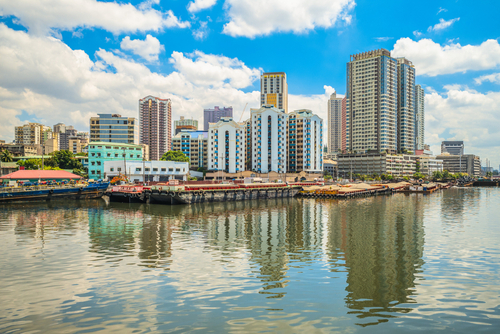
The Pasig River has long been a poster child for Metro Manila’s plastic problem. Now, scientists are asking residents to become part of the solution, one wrapper, bottle, and sachet at a time.
A new study by researchers from De La Salle University, published in the August 2026 issue of the Philippine Journal of Science, shows how citizen science can turn everyday river waste into useful environmental data while encouraging communities to rethink how they handle plastic.
The Philippines generates about 2.7 million metric tons of plastic waste annually and is among the world’s major sources of plastic entering the ocean. Much of it comes from single-use packaging, which became even more common during the pandemic.
Researchers worked with community volunteers in five riverside barangays in Pasig City. The volunteers collected and sorted plastic waste from waterways connected to the Pasig River system, effectively turning ordinary residents into part-time environmental detectives.
What they found was a rather unflattering portrait of modern consumption. Outer wrappings were the most common items, with an average of 538 pieces collected each week. Plastic bottles were the heavyweight champions, averaging 4.4 kilograms weekly.
Put simply, the river is getting a steady supply of evidence showing what people buy, eat, drink, and discard.
The study also uncovered a familiar contradiction. Residents knew plastic pollution damages rivers and ecosystems, yet some continued to dump waste directly into waterways or depend heavily on single-use plastics. Many were willing to join cleanup efforts, but researchers found that sustained participation would likely need clear incentives.
That matters because knowing better does not always mean doing better. People also need convenient collection systems, affordable alternatives to plastic, community support, and practical reasons to change old habits.
Citizen science offers another useful advantage. Instead of relying only on broad waste surveys, communities can help produce neighborhood-level data showing which types of plastic are escaping local waste systems.
Those findings could help local governments and businesses put recycling facilities and collection programs where they are most needed, while strengthening materials recovery facilities.
The research findings are refreshingly practical. Residents do not merely see the problem. They can help count it, understand it, and potentially help fix it.
For the Pasig River, that could be a small but important step toward turning plastic pollution from a familiar eyesore into a problem that can be measured, managed, and, eventually, reduced.