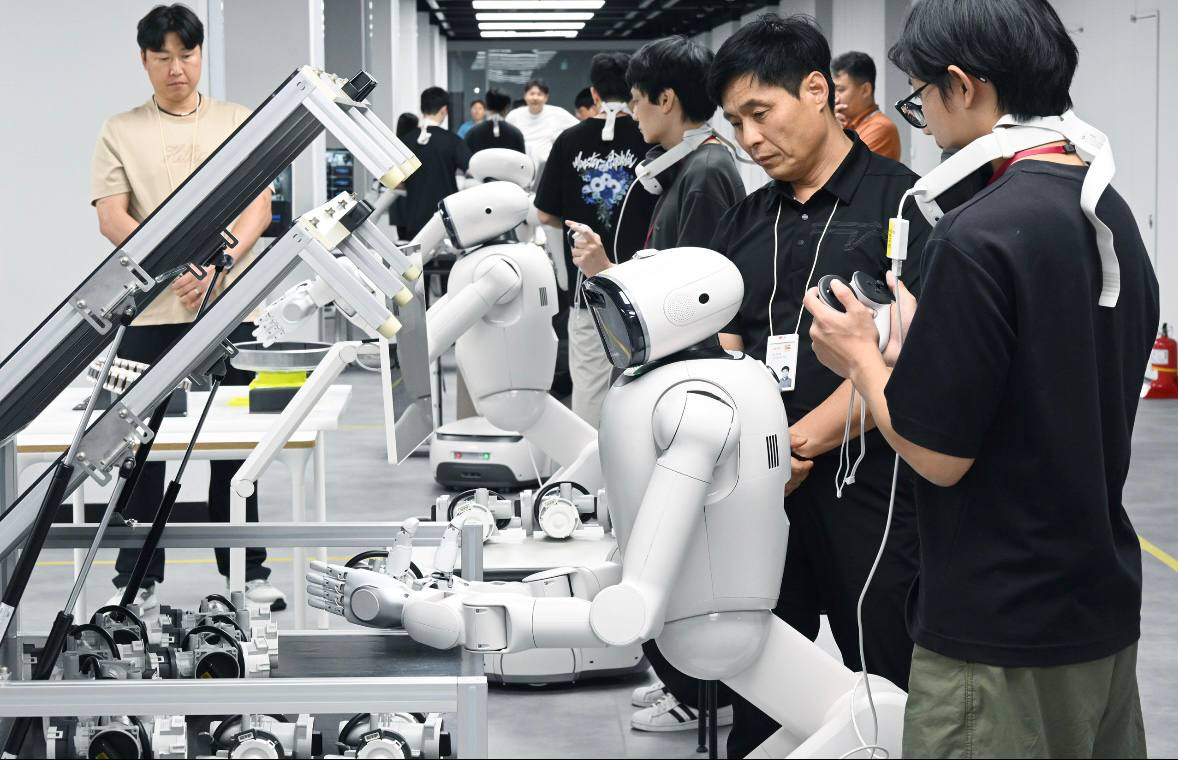
LG Electronics is building a dedicated robotics training hub at its Yangjae R&D Campus in Seoul, set to become fully operational by the end of 2026. Known as the Data Factory, the four-floor facility spanning 10,000 square meters will serve as a central engine for advancing robot learning, combining LG’s decades of manufacturing and logistics expertise with NVIDIA’s cutting-edge robotics and artificial intelligence technologies. Scheduled to house several hundred robots when it launches, the facility represents a cornerstone of LG’s broader push to establish itself as a leader in the global robotics sector.
Unlike conventional testing sites, the Data Factory is designed around continuous, practice-based learning. Robots will repeatedly perform real-world tasks—from cleaning simulated home environments to moving, stacking and assembling components in replicas of LG’s manufacturing lines, including its Tennessee washing machine plant. LG’s own field-proven LG CLOiD™ home robots are already deployed at scale to generate and process operational data, with additional training spaces supporting logistics automation solutions from LG CNS and robotic hand development at LG Innotek. All data gathered will be integrated with NVIDIA’s robotics stack, augmented and refined to create a self-sustaining “data flywheel” that drives ongoing improvements in robot performance.
The partnership leverages key NVIDIA physical AI technologies, including Omniverse libraries, Cosmos open world models and the Isaac robotics development platform. By the end of 2026, LG targets a combined 100,000 hours of training data—blending real operational insights and synthetic data—equal to approximately 12 years of continuous learning. This dataset will underpin the development of LG’s Robot Foundation Model, the core technology designed to power its future humanoid robots. The initiative comes just days after LG Group and NVIDIA signed a strategic memorandum of understanding on August 13 at NVIDIA’s Santa Clara headquarters, with senior executives from both groups meeting again shortly after at the Data Factory to align on next steps and accelerate commercialization timelines.
The facility marks a major milestone in LG’s targeted robotics expansion, which the company has anchored around 2026 as its foundational launch year. A dedicated Robotics Business Center, reporting directly to the CEO, was established last month to unify operations and speed up decision-making across the enterprise. Building on its existing footprint in industrial and commercial robotics, LG plans to extend its portfolio deeper into home solutions, drawing on in-house strengths in core robotic components, manufacturing and global operational data. “Through the synergy built on ‘One LG’ and strategic collaboration with global partners, we will secure our competitiveness in physical AI and become a comprehensive robotics solutions provider,” said Lyu Jae-cheol, CEO of LG Electronics.