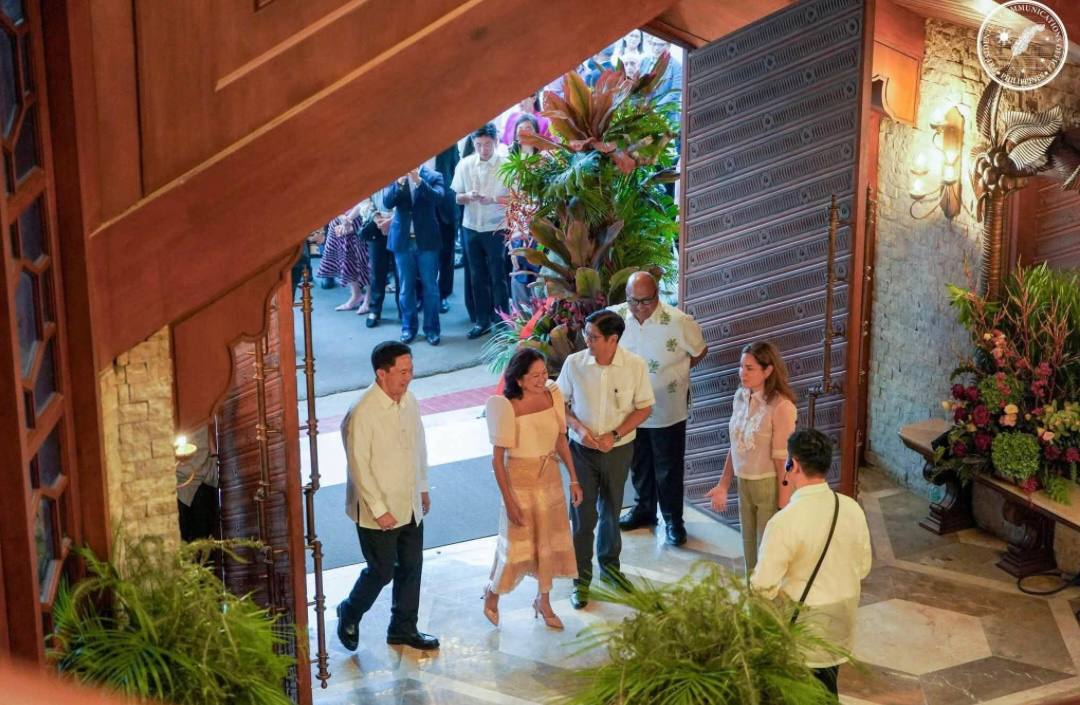
The Government Service Insurance System (GSIS) officially reopened the historic Coconut Palace, or Tahanang Pilipino, to visitors on August 25, 2026, marking a major milestone in preserving the nation’s cultural heritage while unlocking fresh opportunities for cultural tourism and public engagement. Situated within the Cultural Center of the Philippines Complex in Pasay City, the landmark stands as a defining symbol of Filipino ingenuity, crafted by National Artist for Architecture Francisco “Bobby” Mañosa with a distinct design that draws deeply from local traditions and makes innovative use of coconut-based and other indigenous materials—from lumber and shells to roots and fibers—reflecting both the country’s abundant natural resources and a pioneering commitment to sustainable, locally rooted architecture. First commissioned in 1978 by then First Lady Imelda R. Marcos as a government guesthouse and venue for distinguished visitors, the palace was originally designed to showcase Filipino craftsmanship and the versatility of the coconut as a building material, even welcoming Pope John Paul II during his 1981 visit, and has long stood as one of the Philippines’ most recognizable and culturally significant structures.
Beyond its heritage value, the reopening carries substantial commercial and public benefit, positioning the site not only as a premier tourist attraction but as a dynamic hub for cultural programs, educational activities, official functions, and community events that highlight Filipino identity and artistry. GSIS president and general manager Jose Arnulfo “Wick” Veloso emphasized that the initiative extends far beyond physical restoration, framing it as an invitation for Filipinos and international guests to reconnect with their heritage and celebrate the creativity that continues to inspire generations. The move aligns with broader government efforts to safeguard cultural treasures while making historically significant sites more accessible, supporting the growth of the cultural tourism sector and creating lasting public value. As the doors open once more, the Coconut Palace remains a powerful testament to Filipino pride and vision, bridging past legacy with future opportunity as it welcomes a new generation to experience one of the nation’s most enduring architectural and cultural icons.