
Millennials—generally defined as those born between 1981 and 1996–have spent most of our lives in transition. We went from analog television to streaming, from snail mail to beepers, text messages, Skype, and Zoom. We were raised on our parents’ promise of stability just as the internet began selling us freedom, leaving us between two worlds.
Even “millennial” contains different worlds. A lively Reddit discussion distinguishes older members who reached college with pagers from younger ones who had smartphones in high school. Those born near 1996 may feel more “zillennial” than millennial: old enough to remember life before everything was posted, but young enough to have been largely formed online. Yet this in-between quality connects us. It also follows us into our Friday nights.
As Makati girlies, my friends and I have navigated the city’s nightlife carefully—sometimes too carefully. We enjoy comfortable speakeasies and slow bars, but occasionally we want to relive college and dance until our legs remember moves our knees would rather forget.
Finding the right room has been difficult. At one end was The Studio Dance Club in Greenbelt: good food and good music, but essentially glamorized Zumba, complete with dance instructors and a largely late-fifties-to-early-sixties crowd, some accompanied by security. At the other was Poblacion. At Annex House, the DJ mixed riveting dance tracks while its mostly Gen Z crowd stood on the dance floor, bobbing their heads as though dancing were an optional software update.
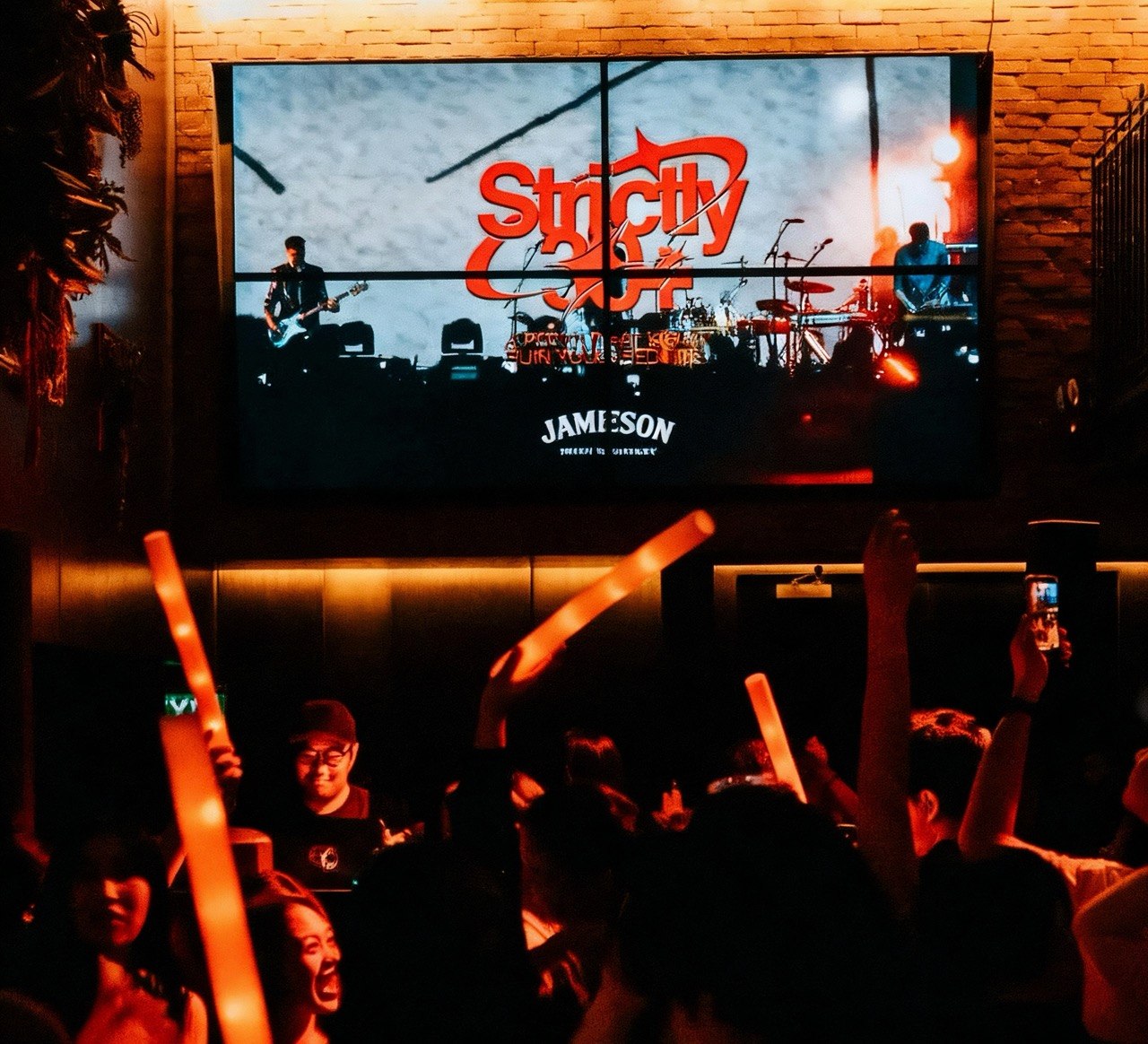
So when we saw the plug for “Strictly 30+: A party that won’t ruin your bedtime,” we reserved a table immediately.
Like proper millennial titos and titas, we began Friday night with dinner. Ginza Gyu was only a few steps from Monarch Manila on Palanca Street, and the mandatory life updates settled into its hushed walls and the umami of our steak bowls. At exactly 9 p.m., we walked to the club, were shown to our table, then promptly forfeited it for the dance floor. We did not regret the choice.
Inside, the familiar office outfits and the lightly wrinkled yet still young and grinning faces made the theme feel less like a costume and more like collective permission. Nobody was pretending to be twenty-one; we were borrowing the uncomplicated pleasure of being twenty-one, now with table reservations and the wisdom to eat first.
The evening opened slowly with early-1990s songs. The crowd—genuinely packed with thirty- and forty-somethings coming straight from work—took time to loosen up. Many had chosen to eat inside the club, which postponed their dancing. Some appeared to have forgotten the old rule about leaving office bags in the car; nothing limits a groove quite like protecting a laptop between choruses.
That slow ignition was oddly appropriate. We are a cohort that schedules spontaneity and checks tomorrow’s calendar before ordering another round. Once the familiar hooks landed, however, professional composure disappeared quickly.
By around 11 p.m., the titos and titas finally rose, and the room came alive. To be honest, the DJ was merely passable. His set often felt shuffled rather than shaped, joined by basic fades instead of inventive transitions. Monarch itself was a typical club, and the tables and chairs consumed too much valuable floor (Pro tip for bar owners: Give a millennial a chair—even in the middle of a party—and there is a 90 percent chance we will sit in it. So if you want us to dance all night, clear the chairs please!).
But Strictly 30+ worked despite those weaknesses because its heart was never the equipment or the furniture. It was the crowd.
Millennials have been described as caught between a more financially fortunate Gen X and a more digitally fluent Gen Z.
The harsher version of the story is that stagnant wages, expensive housing, insecure work, and the aftermath of the recession left many of us uncertain, even as earlier generations expected progress. Perhaps that is why nostalgia matters. It offers a short, shared certainty: we know every beat, every rap, every cue to throw our hands up.
When old-timey-ish (not so old, they’re not yet on the Sunday playlist) songs gathered us in one room, we stopped searching for where we fit. We turned memory into a rave.
By 11:45 p.m., many gyrating titos and titas had spent their social batteries. It was time to go home, hydrate, and sleep. Strictly 30+ was not a flawless club night, but it understood its audience better than most. It gave millennials a dance floor between two worlds—and still kept its promise not to wreck the trentahin sleep cycle.

A public finance analyst by training, Marjohara Tucay served in government through various capacities for over a decade. Now he is a part-time restaurant and culture reviewer, part-time student, and full-time writer and editor for bistado.ph.