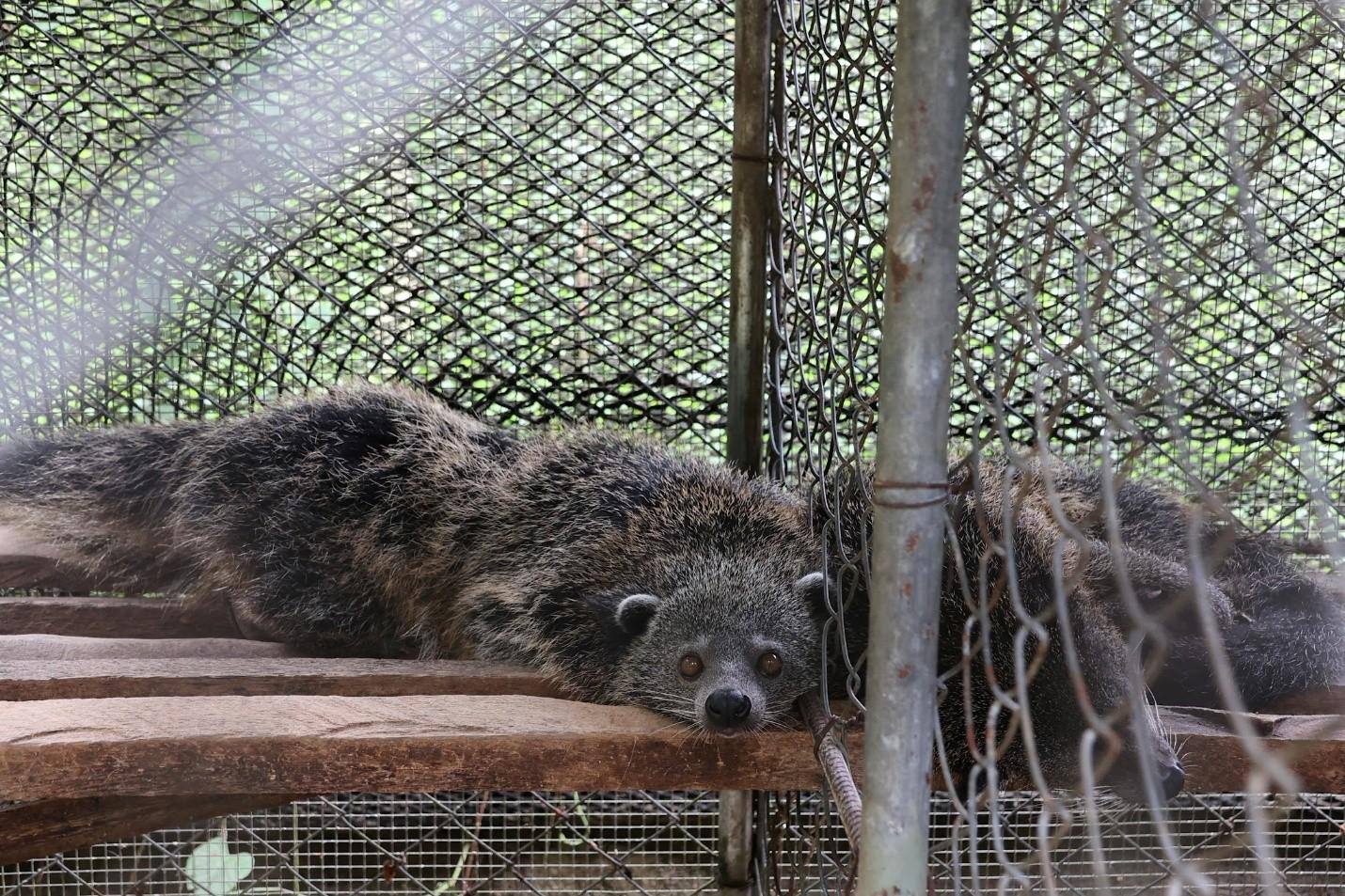
Public awareness and stricter enforcement around wildlife protection are taking root in Barangay Sinkatulan, Makilala, Cotabato as local residents voluntarily surrendered 12 wildlife specimens to the Department of Environment and Natural Resources Provincial Environment and Natural Resources Office (DENR-PENRO) on September 10. The move reflects growing public compliance with Republic Act No. 9147, or the Wildlife Resources Conservation and Protection Act.
Residents Joel Gastones and Isagani Bagyo acted after learning that collecting, keeping, or transporting wildlife without proper permit is against the law. Gastones rescued one Philippine Palm Civet from a rubber farm, while Bagyo turned over another civet he had been caring for. The turnover followed education on wildlife rules and was supported by a coordinated team from DENR-PENRO Cotabato’s Monitoring and Enforcement and Conservation and Development sections, alongside the Community Environment and Natural Resources Office (CENRO) in Matalam and Makilala’s Municipal Environment and Natural Resources Office.
All 12 animals were taken to the Kidapawan City Veterinary Office for health checks. The batch includes two Philippine Palm Civets, two Philippine Ducks, four White-eared Brown Doves (Alimokon), three Spotted Doves (Tukmo), and one juvenile White-breasted Waterhen. Medical assessments confirmed all are healthy.
Most wildlife—including the doves and waterhen—were promptly returned to their natural habitats. The two Philippine Ducks and two civets remain at the PENRO Cotabato temporary wildlife rescue center for further observation before their scheduled release.
This success underscores the vital role of community involvement in safeguarding local biodiversity. Protecting native species maintains ecological balance, supports natural pest control, and preserves the region’s unique wildlife heritage. The DENR continues to urge the public: never keep wildlife in captivity without legal authority. Any rescued or encountered wildlife should be reported immediately to the nearest DENR or authorized environmental office to ensure proper care and survival in the wild.