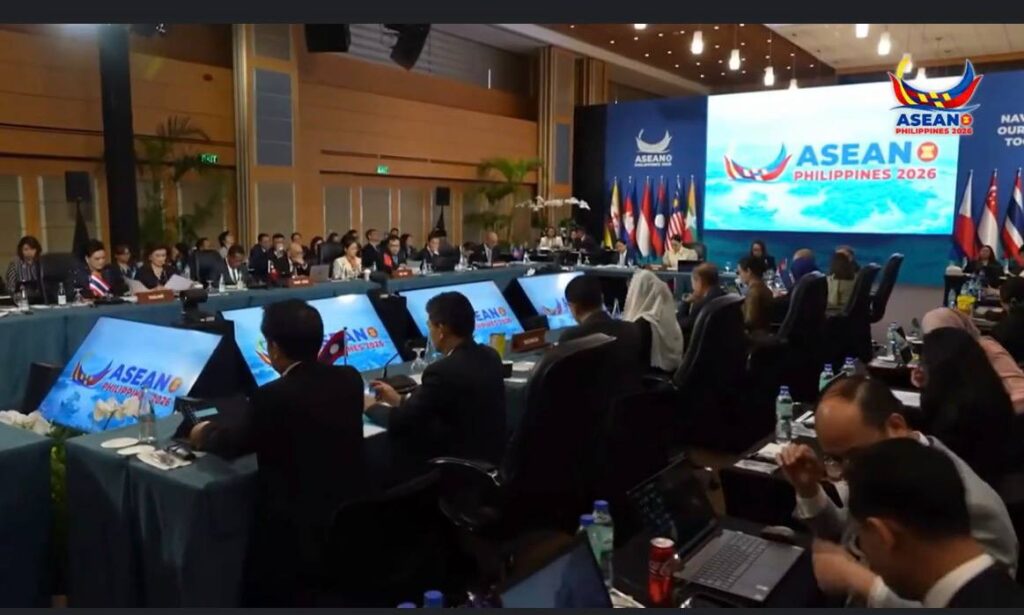
ASEAN economic ministers are seeking to turn the region’s USD4.4-trillion merchandise trade and rising foreign investment into deeper integration, larger digital markets, and more cross-border business opportunities as they meet in Manila.
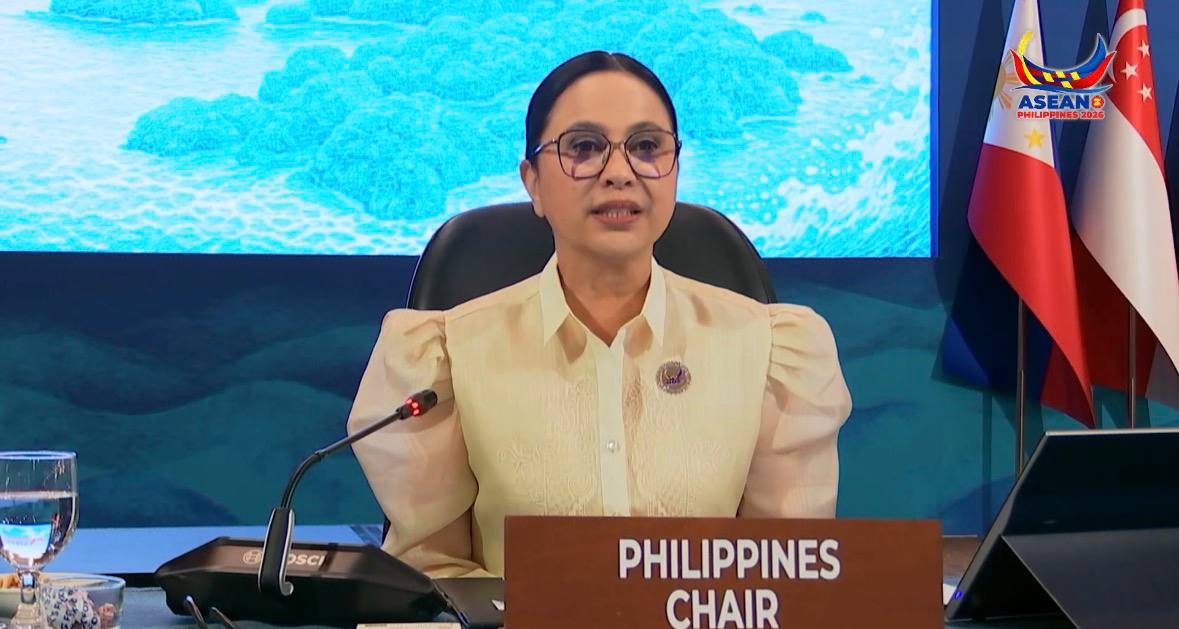
Trade Secretary Cristina Roque, chair of the 58th ASEAN Economic Ministers’ Meeting, said ministers will tackle trade and investment, digital transformation, MSME development, innovation, and sustainable growth, with recommendations to be brought to ASEAN leaders at the 49th ASEAN Summit in November.
“Our task as ministers is to turn these figures into tangible benefits, deeper integration, and high-value opportunities for our people and enterprises,” Roque said at the opening on Saturday.
ASEAN merchandise trade reached USD4.4 trillion, while foreign direct investment inflows rose 10.1 percent to USD245.7 billion.
The numbers give the region plenty of economic weight. The harder task is making it easier for businesses to operate across borders and turn that scale into actual investment and jobs.
A major piece is the ASEAN Digital Economy Framework Agreement (DEFA), which is scheduled for signing in November and could help the region’s digital economy reach USD2 trillion by 2030.
Roque said ASEAN must “exhaust the full potential of DEFA” and remove “digital friction,” while investing in reskilling and upskilling to help businesses and workers participate in the expanding digital economy.
The Philippines alone has nearly 475,000 entrepreneurs using digital platforms and more than 1.2 billion transactions annually, giving local MSMEs a potentially larger market if regional digital barriers are reduced.
Investment integration is another priority.
Trade Undersecretary Ceferino Rodolfo said the ASEAN Regional Investment Promotion Action Plan 2025-2030 seeks to shift investment promotion from separate national campaigns toward positioning ASEAN as a more integrated investment destination.
The plan aims to strengthen regional value chains and encourage more cross-border projects through coordinated efforts by ASEAN investment agencies, including the Philippine Board of Investments.
The broader AEM agenda also covers trade facilitation and ASEAN’s economic relations with dialogue partners.
The opportunity for ASEAN is no longer simply to become bigger. It is to make its size work better, by turning trade flows, investment capital, and digital connections into businesses that can operate more easily across the region.