A Philippine bamboo cooperative is joining 10 other Southeast Asian enterprises in the ASEAN Inclusive Business Awards, putting the spotlight on companies that are trying to make community livelihoods part of the business model rather than an afterthought.
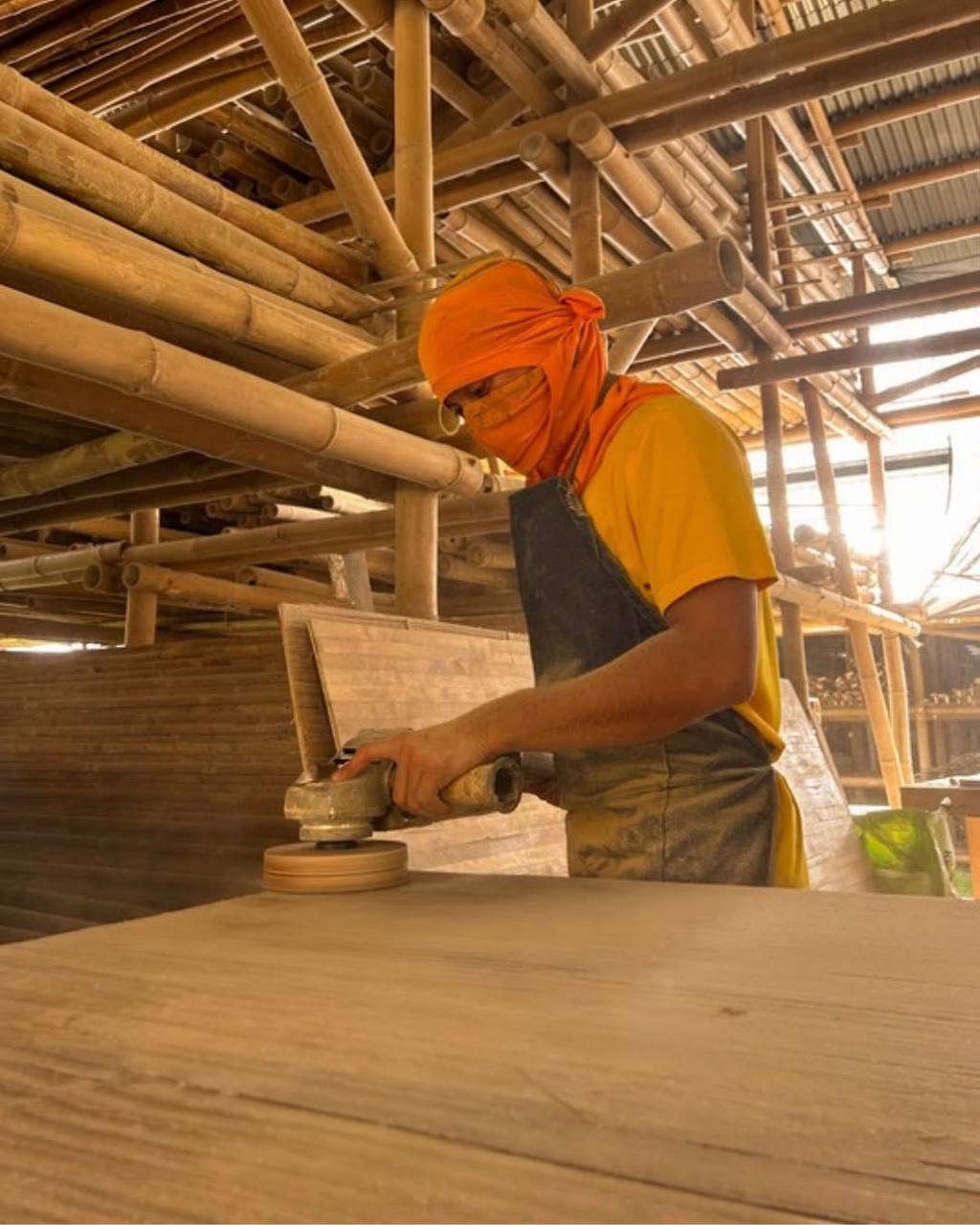
Kawayan Collective Agriculture Cooperative will represent the Philippines at the awards ceremony on Sept. 22, with a business built around aggregating, treating, processing, and distributing Philippine bamboo for construction.
Trade Undersecretary Ceferino Rodolfo said the 11 awardees represent different approaches to inclusive and sustainable business across ASEAN.
“For the Philippines, we have Kawayan Collective,” Rodolfo said at a press conference.
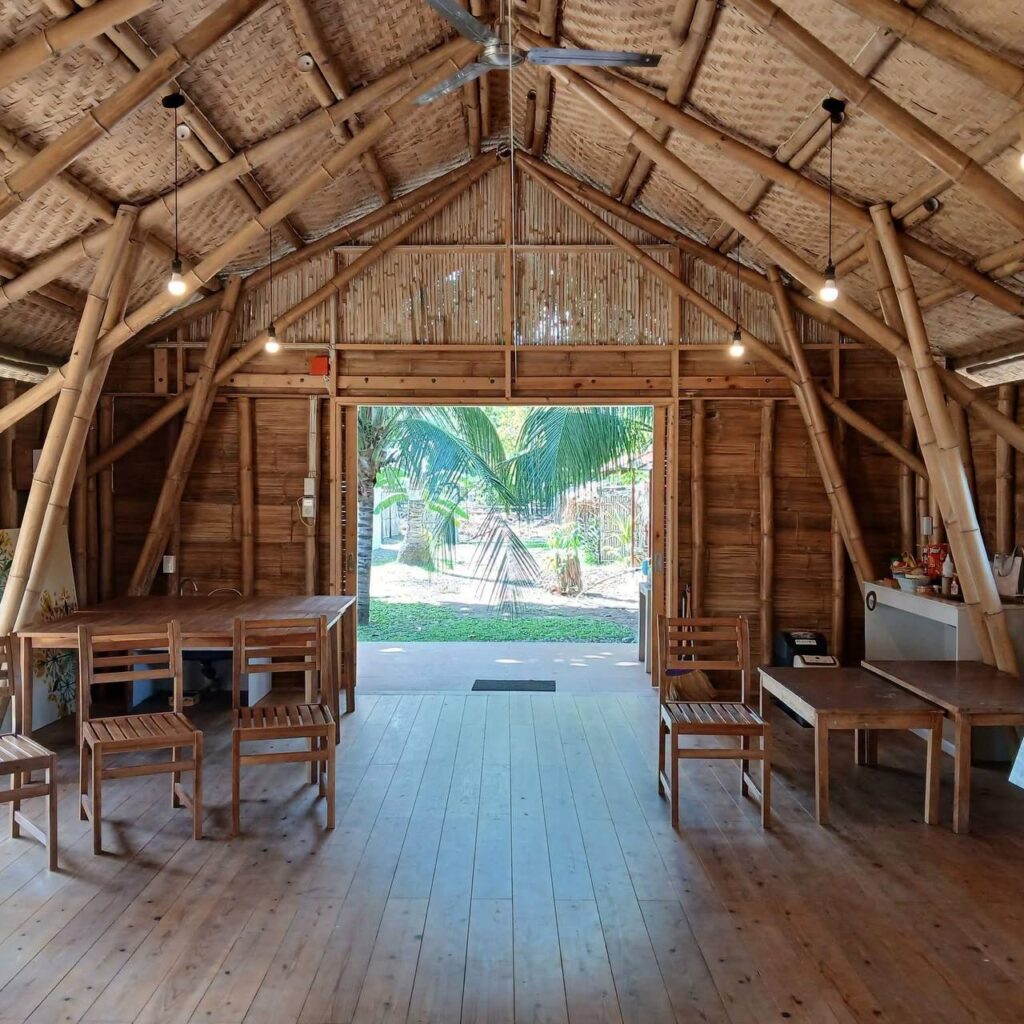
The cooperative works to bring bamboo to construction-grade quality, positioning the material as an alternative to cement blocks, steel, and imported building materials. The model creates commercial value while organizing opportunities for communities involved in bamboo collection and processing.
That combination is increasingly important as businesses face pressure to show that sustainability can survive contact with the balance sheet.
The other awardees show how varied the model can be.
Brunei’s GoMaMam uses a digital platform to connect consumers with merchants and services, while Cambodia’s Confirel converts local agricultural products into higher-value food products.
Indonesia’s Agradaya works with spices and other agricultural commodities, while Laos’ Saya combines traditional craftsmanship with contemporary product design. Malaysia’s Komuniti Tukang Jahit turns sewing skills into livelihood opportunities for underserved communities.
Myanmar’s Ei-Lay Food Enterprises processes locally sourced soybeans into soybean paste, while Singapore’s Foreword Coffee uses its business to create inclusive employment.
Thailand’s Oam Suk Social Enterprise links communities with renewable energy, climate-smart agriculture, and bio-innovation.
Timor-Leste’s Cristianom2t UNIP Lda. Tuti Unit develops products inspired by traditional knowledge and local resources. Vietnam’s Haplast manufactures packaging exported to more than 90 countries while incorporating sustainability into its production model.
The common thread is straightforward. These businesses seek to solve commercial problems while widening participation in the economy.
Kawayan Collective adds another dimension for the Philippines by turning a widely available natural resource into a potential industrial material, linking rural livelihoods with a market that is considerably bigger than bamboo itself.