The government is stepping up preparations for the expected impact of Super El Niño, rolling out measures to protect farms, water supplies, power systems and communities from extreme heat and prolonged drought.
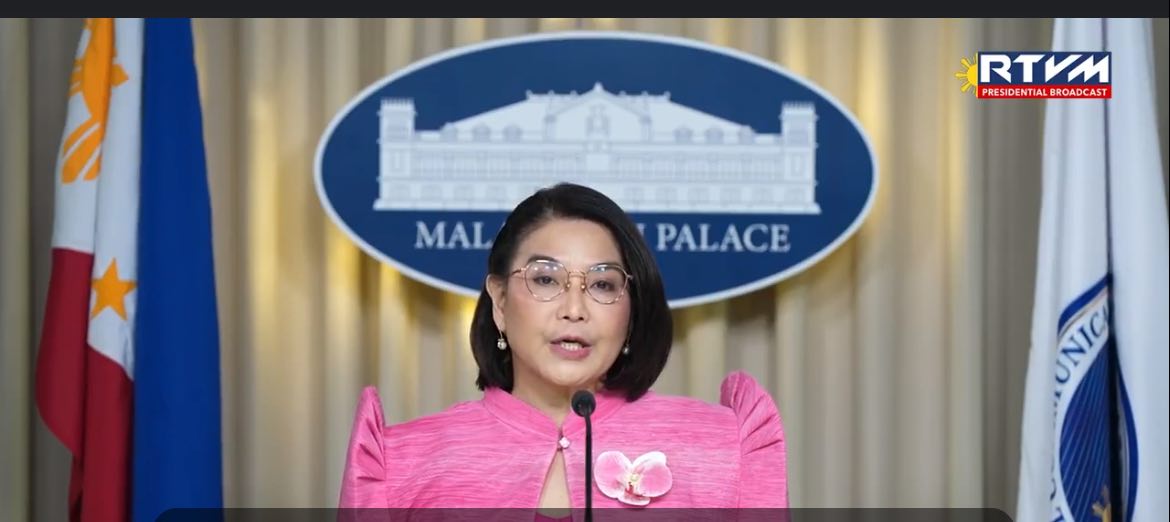
Palace Press Officer Claire Castro said preparations have been underway since concerned agencies began coordinating in May, with the response now expanding beyond water shortages to broader economic, health and social risks.
The government is also considering adjustments to school schedules to reduce students’ exposure during the hottest hours. Castro said the proposal will be raised with education authorities as temperatures intensify.
The National Irrigation Administration (NIA) is developing measures to secure water for farms in drought-hit areas. It plans to use groundwater maps from the Mines and Geosciences Bureau to identify potential sources for solar-powered irrigation systems.
NIA will also inventory and rehabilitate existing pumps, deploy mobile solar pumps in water-stressed areas, and desilt and clear irrigation canals to improve water flow and stretch limited supplies.
The Department of Environment and Natural Resources is preparing measures focused on water security and forest-fire prevention. Small water-impounding facilities and rainwater-harvesting systems are also being developed to supplement supplies.
Agriculture authorities are assessing irrigation systems, promoting drought-resistant crops and adjusting planting calendars, while preparing financial assistance for affected farmers and fisherfolk.
Energy agencies are bracing for possible power disruptions, while health authorities are focusing on hydration, cooling measures and monitoring people most vulnerable to extreme heat, including children, older adults and outdoor workers.
The coordinated response underscores the potential business and economic fallout from prolonged heat and drought, particularly for agriculture, water availability, electricity supply and labor productivity.