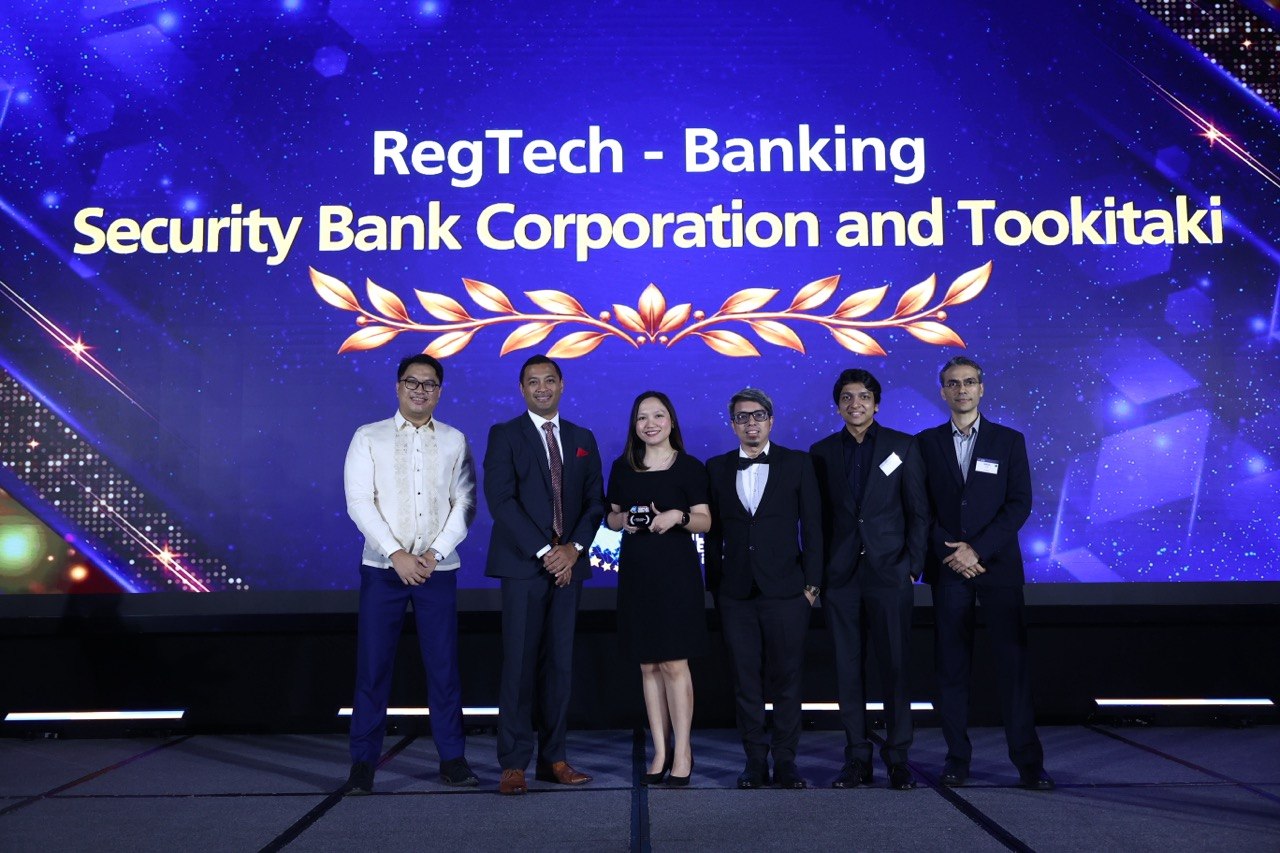
Security Bank Corp. has expanded its sanctions-screening coverage tenfold as it strengthens financial crime controls ahead of the Philippines’ next anti-money laundering mutual evaluation in 2027.
The bank has partnered with Singapore-based financial crime technology firm Tookitaki to deploy its FinCense Screening platform, extending screening coverage to 100% of related contacts while improving the identification of genuine sanctions matches.
The system uses artificial intelligence to detect variations in names that conventional exact-match screening can overlook, including differences in spelling, name order, phonetics, languages and writing systems. It also supports reverse screening, allowing the bank to rescreen existing relationships as sanctions lists and watchlists are updated.
“This collaboration provided Security Bank with a scalable screening platform that enhances screening coverage, improves the identification of genuine matches, and supports transparent, auditable decision-making,” Security Bank Head of Financial Crime Compliance Daniel Ang said.
The technology upgrade comes as Philippine banks and other financial institutions face continued pressure to demonstrate the effectiveness of their anti-money laundering and counter-terrorist financing controls.
The Philippines was removed from the Financial Action Task Force’s grey list in February 2025 after undertaking reforms to address deficiencies in its anti-money laundering and counter-terrorist financing framework. The country’s next mutual evaluation by the Asia/Pacific Group on Money Laundering is scheduled to begin in 2027.
For banks, sanctions screening is a key component of financial crime compliance, particularly for institutions handling international transactions. Effective screening can also help support correspondent banking relationships, which Philippine banks rely on for cross-border payments, dollar transactions and remittances.
Security Bank said it would continue refining its screening framework, including the use of trigger-based screening and broader coverage of customers and related parties.
The bank is also evaluating Tookitaki’s transaction-screening technology, although any deployment would remain subject to its internal governance and approval processes.
The move underscores a broader shift in financial crime compliance from periodic, rules-based checks toward more continuous monitoring as banks face increasingly complex customer relationships, sanctions regimes and cross-border transaction risks.
For Security Bank, expanding screening coverage ahead of the 2027 review gives the bank additional time to test and refine its controls while strengthening the auditability of decisions made when potential sanctions matches are identified.