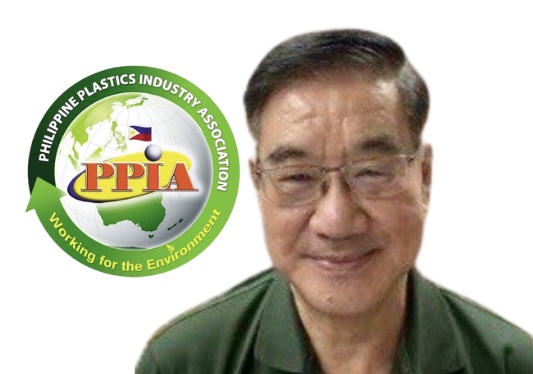
A proposed P150-per-kilogram excise tax on single-use plastics could increase costs across the Philippine supply chain, with potential consequences for consumers, small businesses and manufacturers, according to the Philippine Plastics Industry Association (PPIA).
PPIA president Anthony Ng said the association opposes the proposed levy, arguing that its effects would extend beyond plastic producers to food processors, packaging suppliers and retailers already grappling with rising operating expenses.
“We are opposed because, of course, it’s a heavy burden,” Ng said in an interview, warning that lower-income households and smaller enterprises could be particularly vulnerable to additional costs.
Plastic packaging is widely used for everyday necessities, including bread, condiments and other affordable food products. Ng said these materials help preserve freshness, extend shelf life and reduce food waste, making their cost relevant to both producers and consumers.
The proposal comes amid government efforts to curb disposable plastic use and improve waste management. The Department of Finance previously backed a P100-per-kilogram excise tax under legislation approved by the House of Representatives in 2022, citing the potential to reduce plastic bag consumption and generate revenue for environmental programs.
The industry, meanwhile, faces higher fuel and electricity expenses, alongside increased costs for imported raw materials. An additional levy could add pressure to businesses, although the extent of any eventual price increases would depend on how manufacturers, suppliers and retailers absorb or pass on the added costs.
Rather than relying primarily on taxation, the PPIA is calling for stronger waste segregation, expanded recycling infrastructure, more materials recovery facilities and stricter enforcement of proper disposal practices.
Ng said the industry is participating in recycling initiatives and complying with extended producer responsibility requirements. At its recent Plastic Re-Imagined 2026 exhibition, the association partnered with six Metro Manila local governments and the Metropolitan Manila Development Authority to showcase products made from recycled plastics.
The policy challenge is balancing environmental objectives with affordability and business competitiveness. While taxation may encourage reduced plastic consumption, its effectiveness will also depend on accessible alternatives and reliable waste collection systems.
For the PPIA, changing consumer behavior and strengthening recycling systems should complement industry-government cooperation in addressing plastic pollution.