



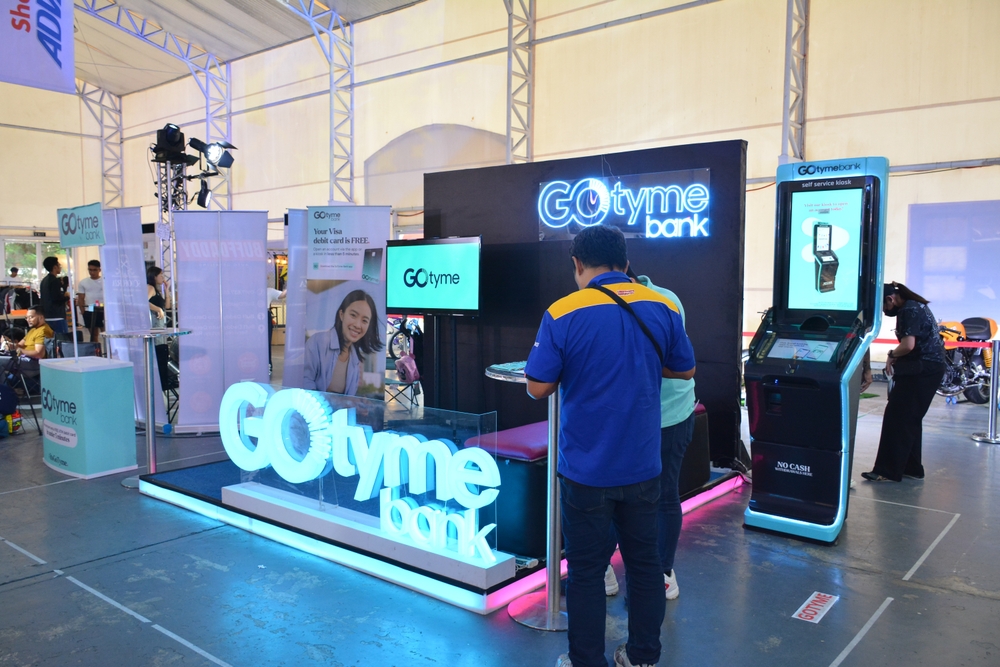
GoTyme Bank is calling on the government to mandate open finance in the Philippines, arguing that resistance from established lenders is limiting consumers’ control over financial data and restricting access to affordable credit.
Nate Clarke, GoTyme Bank co-founder, president and chief executive officer, said stronger government intervention and political will are needed to accelerate reforms that would allow customers to authorize the sharing of their financial records across competing institutions.
“Large banks and corporations do not own your data. You own your own data,” Clarke told a forum organized by the Economic Journalists Association of the Philippines.
He pointed to Brazil’s mandatory open finance framework, under which participating financial institutions make customer-authorized information available through application programming interfaces. This allows competing lenders to assess borrowers using broader financial histories and potentially extend credit to customers with limited conventional credit records.
Clarke said GoTyme had encountered resistance from major Philippine banks, describing what he called subtle pushback from incumbent players. He did not identify the institutions involved.
Making data portability mandatory could intensify competition in financial services, although implementation would require safeguards for consumer consent, cybersecurity and data privacy.
Clarke also called for a nationwide fraud database to help financial institutions identify suspicious accounts before opening accounts or processing transfers, a proposal that would require coordination across lenders and appropriate protections for legitimate customers.
On consumer lending, he questioned the three-percent monthly interest ceiling on credit cards, arguing that pricing restrictions could discourage lenders from serving higher-risk and underserved borrowers. Any changes, however, would need to balance credit access against borrowing costs and consumer protection.
Meanwhile, GoTyme expects its customer base to reach 12.5 million by year-end, from 11.5 million currently. The digital bank is adding between 450,000 and 500,000 customers monthly, while deposits have grown 80 percent year-on-year.
The bank also expects transactions and monthly loan disbursements to double, underscoring its expansion ambitions as debate continues over competition, financial inclusion and regulation in the Philippine banking sector.