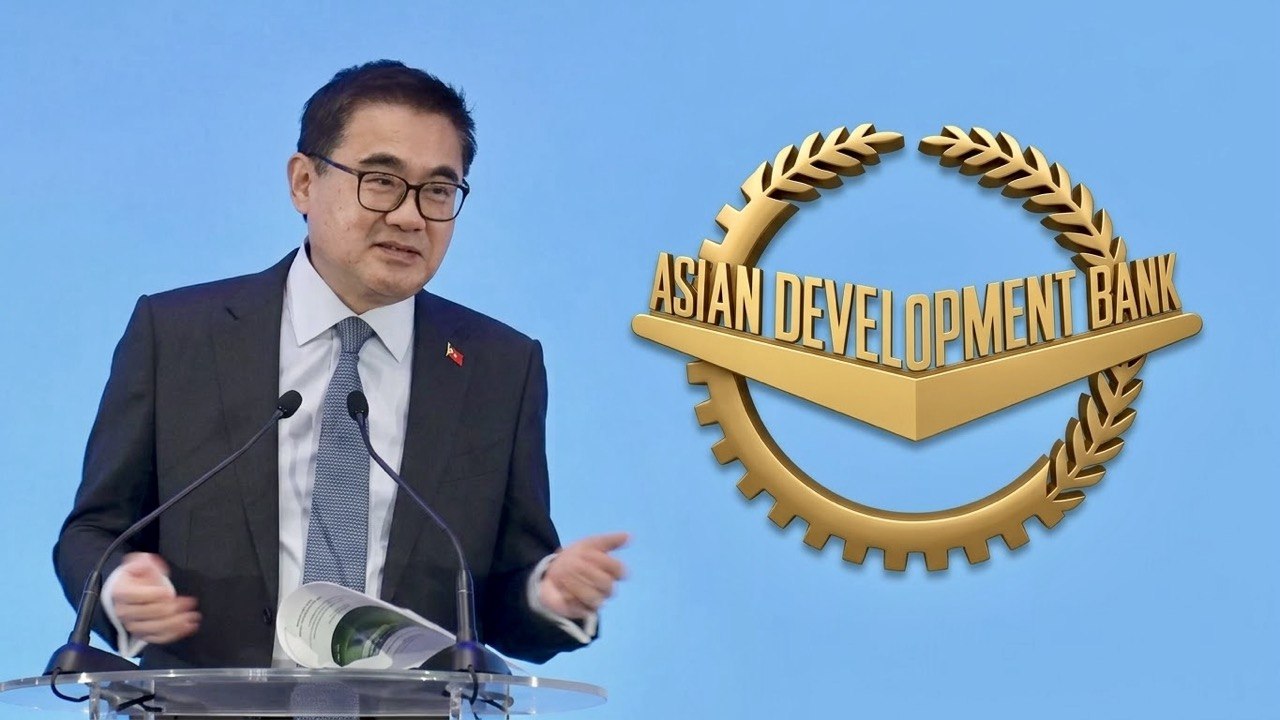
The Philippine government has secured USD1.5 billion in emergency financing from the Asian Development Bank (ADB) to help cushion households, commuters and businesses against rising fuel prices and economic disruptions stemming from the Middle East conflict.
Finance Secretary Frederick Go signed the JPY236.64-billion financing agreement, equivalent to approximately USD1.5 billion, on October 6 under the Assistance for Greater Resilience and Alleviation of Poverty (AGAPAY) program.
The financing provides budgetary support for the government’s Unified Package for Livelihoods, Industry, Food, and Transport (UPLIFT), a response designed to address oil supply disruptions and broader economic shocks.
The funding is expected to support targeted assistance for vulnerable households, help keep public and commercial transportation affordable, and protect workers and businesses facing mounting operating expenses. It will also help maintain adequate fuel and electricity supplies, essential to economic activity and the continuity of basic services.
Overseas Filipino workers (OFWs) affected by the conflict are another priority, with the program covering repatriation and reintegration assistance for those displaced or otherwise caught up in the crisis.
“AGAPAY will help the government sustain its response to the economic impact of the Middle East crisis and fund measures that support vulnerable sectors, protect livelihoods, and help Filipino families cope with these challenges,” Go said.
The financing comes as external energy shocks threaten to raise transport, production and distribution costs, potentially putting additional pressure on household budgets and business margins. For the Philippines, which remains exposed to global oil price movements, sustained disruptions could complicate efforts to contain inflation while preserving employment and economic momentum.
However, the loan’s broader impact will depend on how quickly assistance reaches intended beneficiaries, how effectively support is targeted, and how long the crisis persists. Emergency financing can expand the government’s capacity to respond, but it does not eliminate the underlying risks associated with volatile energy markets.
Included in the government’s 2026 external borrowing program, the ADB loan provides additional fiscal room to sustain relief measures while strengthening resilience against prolonged energy and supply disruptions.