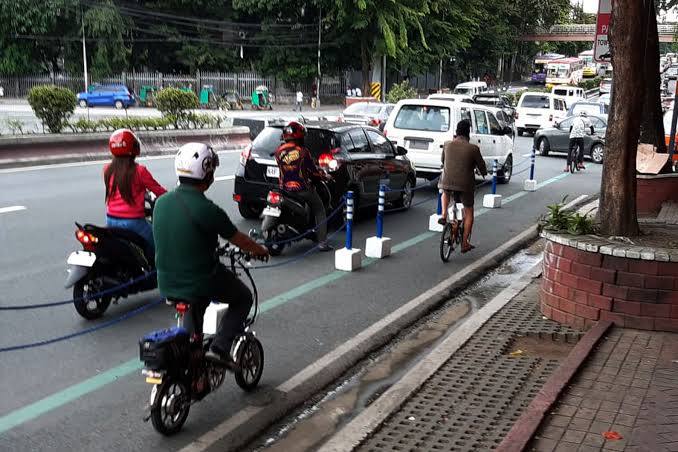
The Department of Trade and Industry (DTI) is proposing mandatory safety certification for electric bicycles, scooters and other light electric vehicles (LEVs), a move that could drive up compliance costs for businesses while tightening safeguards against electrical and battery-related hazards.
Under a draft Department Administrative Order (DAO), LEVs and their battery systems must be certified before they can be sold in the Philippines. The rules cover electric bicycles, personal e-mobility devices, electrically propelled mopeds and motorcycles, and LEV batteries.
Manufacturers must secure Philippine Standard (PS) licenses, valid for three years and subject to annual audits. Importers without PS licenses must obtain Import Commodity Clearance (ICC) certification for every shipment.
The proposed requirements would add testing, documentation and inspection costs, potentially squeezing smaller importers and distributors. Businesses may also need to review suppliers and product lines to ensure compliance with Philippine National Standards for electrical systems, battery performance and thermal safety.
Products must carry physical PS or ICC marks so consumers can check certification and regulators can monitor compliance. Violations could lead to penalties, suspended operations and mandatory recalls, exposing noncompliant businesses to additional financial and operational risks.
The proposal could curb the sale of unsafe products and bolster confidence in electric mobility. But tighter rules could also raise barriers to market entry, particularly for smaller players with limited resources to absorb certification expenses. Any impact on retail prices will depend on whether businesses absorb the added costs or pass them on to buyers.
The draft provides a 12-month voluntary compliance period before mandatory certification begins, with full market enforcement scheduled 24 months after the order takes effect.
The DTI held public consultations on October 14, 2026, and is accepting stakeholder comments until December 13, 2026.
The final rules will determine how manufacturers and importers balance stricter safety obligations with the cost of supplying a growing market for energy-efficient transport.