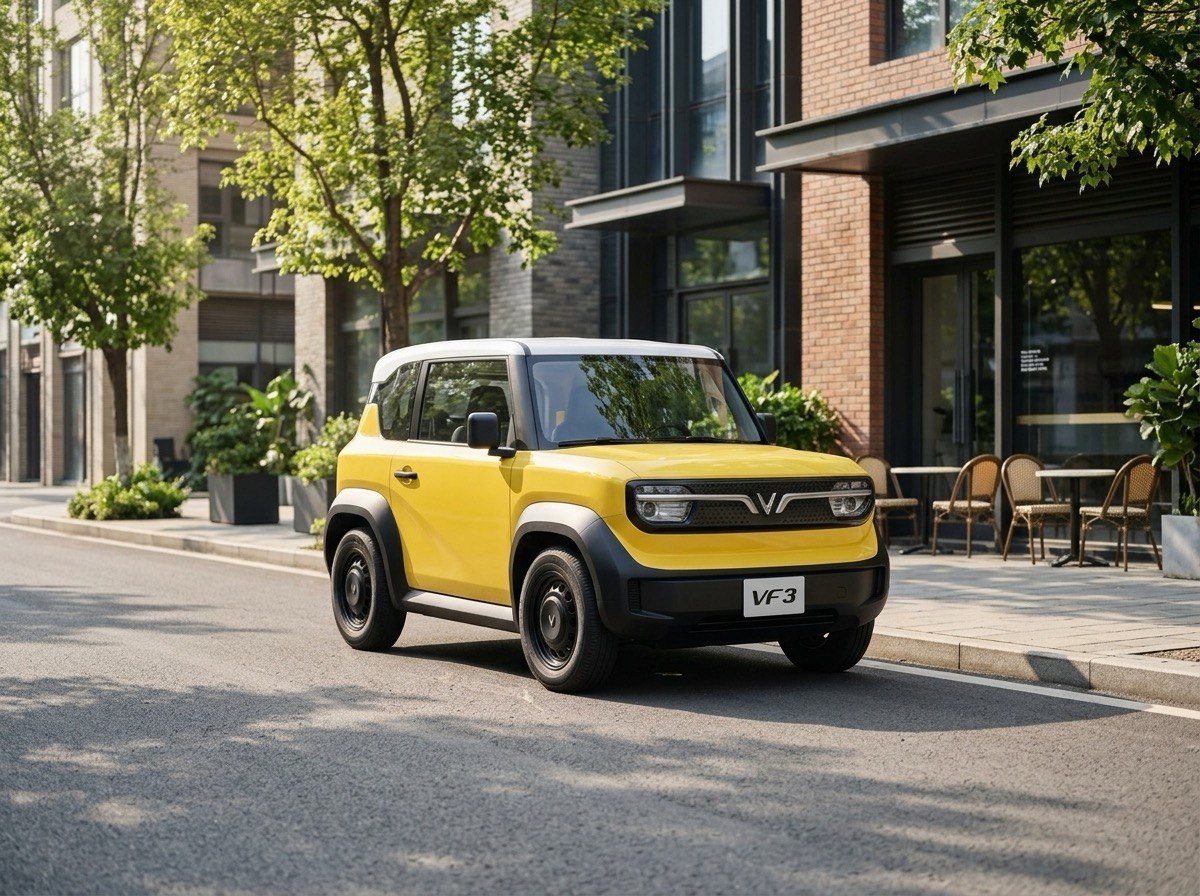
The VinFast VF 3 emerged as the Philippines’ best-selling battery electric vehicle (BEV) model in the first eight months of 2026, recording 2,906 units sold from January to August, according to data from the Chamber of Automotive Manufacturers of the Philippines Inc. (CAMPI) cited by the company.
The compact electric mini-SUV’s performance highlights the potential of smaller, more accessible electric vehicles in a market where consumers remain sensitive to fuel prices and overall vehicle ownership costs.
VinFast Philippines, which markets the VF 3 as the “Tiny Titan,” said the model has attracted first-time EV buyers seeking a compact, practical alternative to gasoline-powered cars. The company also noted that demand was building before recent oil price increases, suggesting that fuel costs are not the only factor influencing interest in electric mobility.
Heightened global energy uncertainty may nevertheless strengthen the appeal of EVs, particularly among motorists looking to reduce their exposure to fluctuating gasoline prices. However, actual savings depend on electricity rates, charging access, driving patterns and the vehicle’s purchase price.
The VF 3’s sales lead also points to an opportunity for manufacturers targeting cost-conscious Filipino consumers, especially those who need a vehicle suited to urban travel. Compact EVs may offer a more approachable entry point into electrification, although practical considerations such as charging infrastructure, battery performance, after-sales support and resale value remain important to buyers.
VinFast is positioning the VF 3 as an entry-level option for motorists considering a shift away from conventional vehicles. Its reported sales performance provides an indication of consumer interest, but sustained growth across the broader EV market will depend on affordability, infrastructure development and confidence in long-term ownership costs.
As competition in the Philippine EV segment intensifies, the VF 3’s early showing underscores the importance of matching vehicle design and pricing with local driving needs. Whether that momentum continues will become clearer as manufacturers expand their offerings and consumers weigh the full costs of electric mobility.