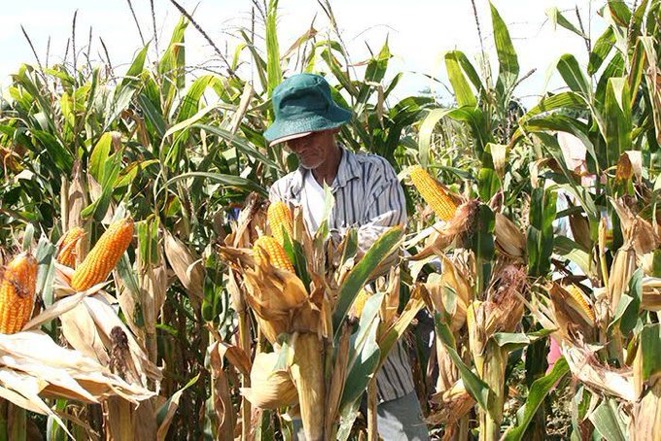
The Department of Agriculture has confirmed an increase in corn minimum access volume or MAV to 500,000 metric tons, a policy adjustment meant to shore up supply, bring down livestock feed expenses, and prevent steeper meat price increases for Filipino consumers.
Signed by President Ferdinand Marcos Jr. on October 26 under Executive Order No. 129, the new MAV adds 280,000 metric tons to the previous 220,000‑ton import quota, following a September 29 proposal submitted to Congress. The adjustment took effect automatically after 15 days without substantive action from lawmakers, as provided under the amended Agricultural Tariffication Act.
Agriculture Secretary Francisco P. Tiu Laurel Jr. explained that sufficient affordable corn supply is key to keeping livestock and poultry operations viable, noting feed makes up a large share of producers’ operating costs. The government is projecting a 1.42‑million‑metric‑ton yellow corn deficit from March to December 2026, driven by higher costs for fertilizer, fuel and freight, plus production setbacks and risks from El Niño‑related weather disruptions. Corn serves as the main energy component for animal feeds, so sustained price increases would raise costs for feed millers and hog raisers, eventually passing on higher retail prices to consumers.
The additional corn imports will be allowed during the lean season to supplement rather than replace local harvests, with the MAV Management Committee required to release implementing guidelines within 30 days to ensure transparent and fair allocation for qualified feed millers, manufacturers and eligible farmer groups. Officials said the move is designed to secure feed supplies without adding extra price pressure on consumers, while supporting national food security.
Alongside the corn MAV increase, the Department of Agriculture is rolling out complementary measures to support local hog raisers who have been grappling with high input costs and falling farmgate prices. These include proposals to restore higher pork import tariffs to 30 percent for in‑quota shipments and 40 percent for out‑of‑quota volumes, up from the current 15‑percent and 25‑percent rates extended until 2028 under Executive Order No. 62. The lower tariffs were first put in place in 2021 to address supply shortages caused by African swine fever.
The department also plans to temporarily suspend sanitary and phytosanitary import clearances for selected pork cuts from mid‑November through January next year, subject to legal clearance, with possible exemptions for meat processors as needed. It has also initiated a safeguard measures investigation into rising pork imports, which could lead to extra protective duties if findings support the move.
Agriculture officials cautioned that while the expanded corn MAV should ease near‑term feed supply strains, how much it lowers retail meat prices will depend on shipment timing, import costs and distribution efficiency. The government added it must strike a careful balance between curbing food inflation through sufficient feed supply and protecting local corn farmers while encouraging growth in domestic production.