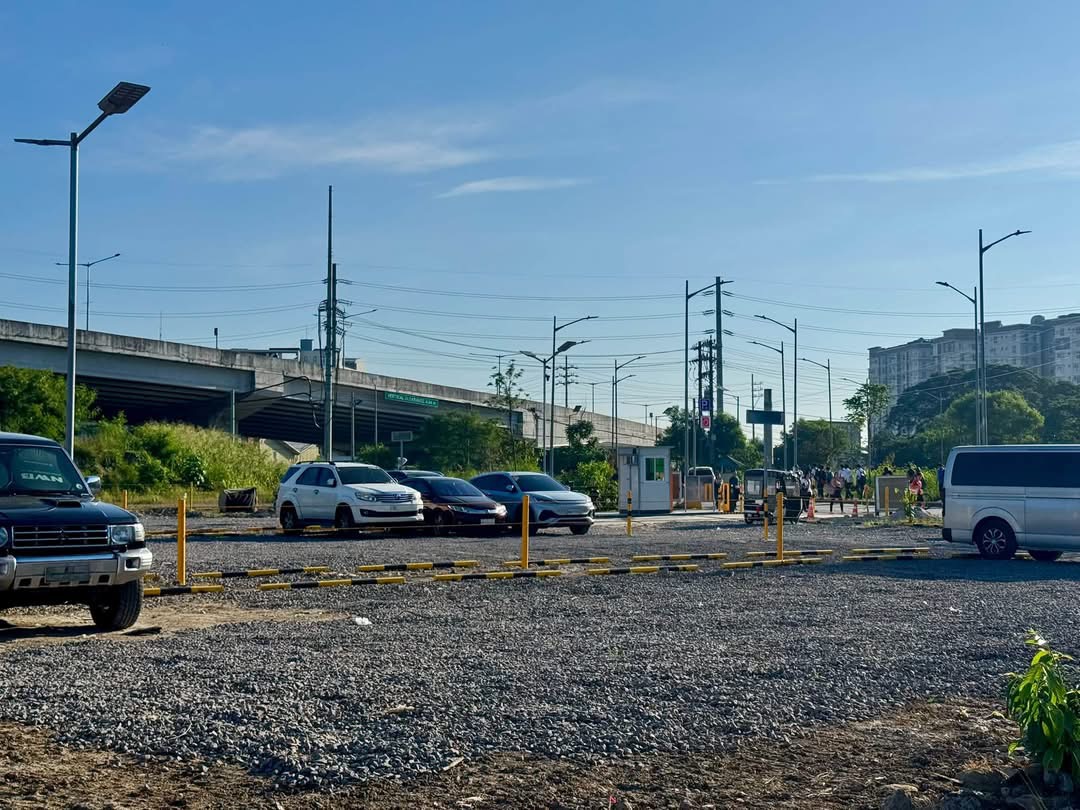
The Light Rail Manila Corp. (LRMC), private operator of the Light Rail Transit Line 1, has launched a round‑the‑clock parking facility at Dr. Santos Station in Parañaque City, a key commuter incentive designed to encourage motorists to switch from private cars to public rail transport. The new site supports the Department of Transportation’s Park and Ride and Road to Rail programs, part of broader government policy to connect road and rail trips for travelers coming from southern Metro Manila and nearby provinces.
Run by third‑party partner GlobalParking Management Inc. under an agreement with LRMC, the facility offers 93 slots for cars and sport utility vehicles plus 100 slots for motorcycles. It stays open 24 hours every day and features security cameras, automated boom gates and on‑site attendants, with cash payments accepted for parking fees.
LRMC president and chief executive Enrico R. Benipayo said the project forms part of the company’s push for complete mobility options that go beyond running train services. He noted that safe, easy‑to‑use parking helps commuters move smoothly from private vehicles to faster rail travel, bridging gaps between road and rail networks for daily trips.
Standard rates are set at ₱40 for the first five hours for four‑wheel vehicles, plus ₱10 for each additional hour. Motorcycles and electric bikes cost ₱30 for the first eight hours, with ₱5 added per succeeding hour. A flat overnight rate of ₱100 applies for stays between 10 p.m. and 7 a.m. A ₱500 replacement fee plus regular parking charges will apply for lost or damaged parking tickets. Senior citizens and persons with disabilities may park for free upon presenting valid identification cards.
For transport planners, the opening signals progress toward a more integrated public transport system, giving motorists a practical reason to leave private vehicles behind and help ease road congestion while increasing ridership on Metro Manila’s main light rail line. LRMC added the facility is another step toward strengthening links between road‑based travel and the city’s rail network.