Manila Water Philippine Ventures (MWPV), the non‑east zone arm of Manila Water, is stepping up preparations across Pangasinan and Isabela — areas flagged by state weather bureau PAGASA as prone to dry spells through late 2026, with drought risks extending into early 2027 — to keep water supplies steady amid the El Niño weather pattern.
Through its local operating firms Calasiao Water and Metro Ilagan Water, the company is putting in place targeted measures meant to build long‑term resilience, not just short‑term fixes. In Pangasinan, Calasiao Water has rolled out a service continuity plan that includes cutting water loss, upgrading distribution networks, checking and improving deepwells, and maintaining key facilities ahead of drier conditions. It is also developing new water sources, making the most of existing reservoirs, keeping mobile water tankers on standby and running pressure‑boosting equipment, with new deepwells set to come online in 2027.
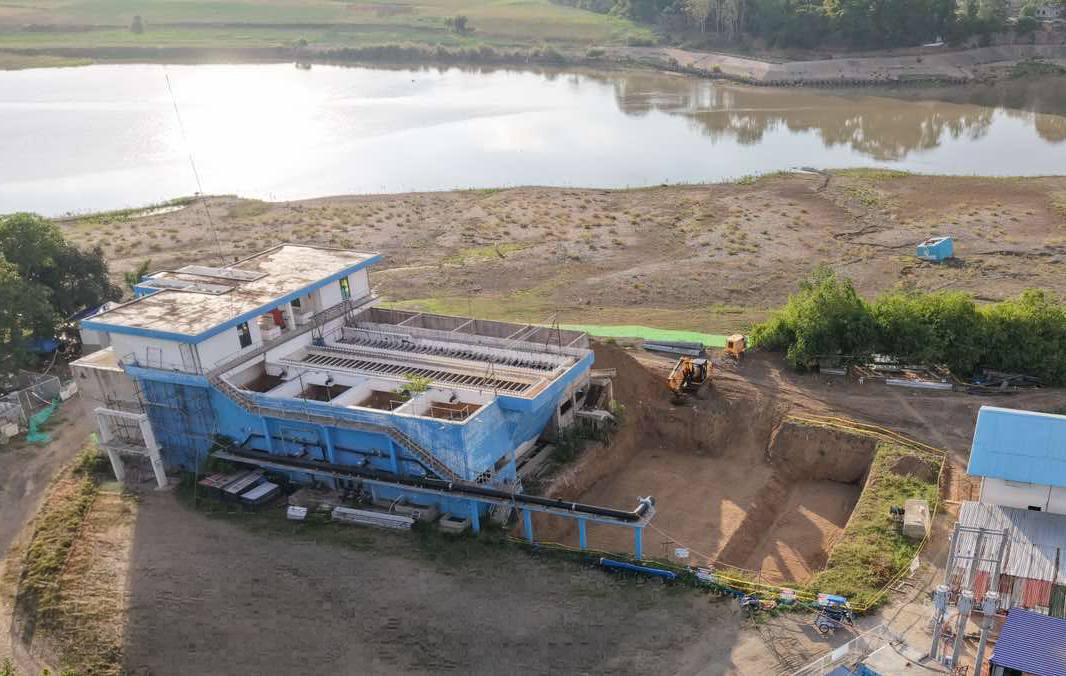
Over in Isabela, Metro Ilagan Water has already activated an additional deepwell commissioned in May this year to add flexibility to its supply system, at a time when surface water sources are expected to shrink under El Niño. The firm is also building a new 13‑million‑liter‑per‑day water treatment plant in partnership with the City of Ilagan Water District; while its two existing deepwells can still meet current local demand, the new projects are meant to shore up supplies for future dry periods and growing community needs.
Company officials said these targeted investments are important because El Niño and shifting climate patterns make water sources less predictable, raising the risk of shortages or service cuts. By expanding water sources, fixing supply networks and preparing emergency responses early, the upgrades help the whole water system better withstand dry spells and recover faster when water stress hits. Francisco Loresco, General Manager for MWPV North Luzon operations, noted that the group’s ongoing work on infrastructure, source development and operational readiness is part of a wider goal to deliver reliable, sustainable water services for communities even as extreme weather becomes more frequent. Both local units will continue improving efficiency and preparedness to strengthen climate resilience across their service areas.