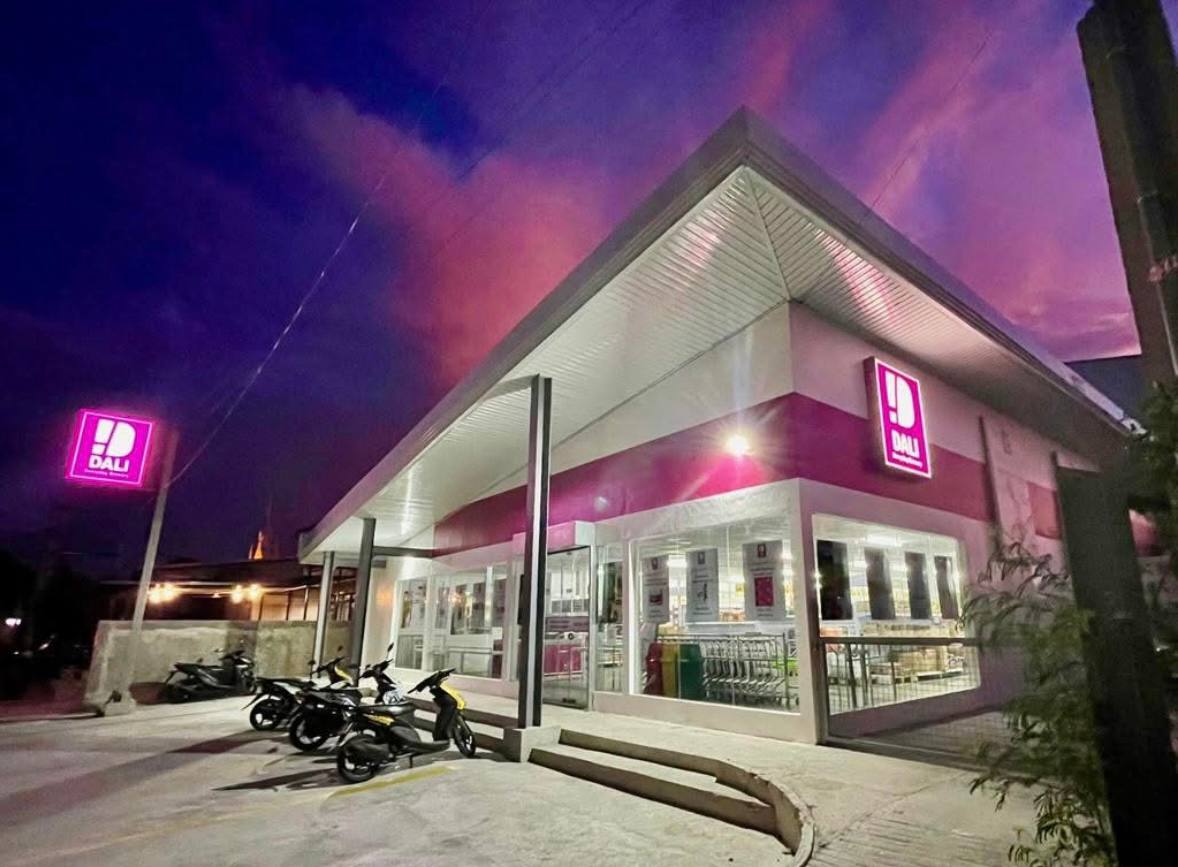
Hard Discount Philippines Inc., the firm behind discount retail chain DALI, recorded an accumulated shortfall of P1.03 billion as of the close of 2025, marking five straight years of operating losses for the local hard‑discount player. In its audit report for the year, Sycip Gorres Velayo and Co. (SGV) flagged significant uncertainty over the company’s ability to keep running as a going concern, citing deepening financial gaps even as top‑line sales expanded rapidly.
Audit figures show total accumulated losses reached P7.07 billion by end‑2025 — a 35‑percent jump from the P5.24 billion posted in 2024. The gap between what the company owes in the short‑term and what it can readily cover also widened sharply: current liabilities outstripped current assets by P1.19 billion at year‑end, a steep rise from just P134.6 million the year before. SGV clarified that while these conditions raise material doubt about the retailer’s capacity to pay debts and realize assets under normal business conditions, the auditor’s formal opinion on the financial statements itself remained unchanged.
For context, a P4 billion advance deposit for planned stock subscriptions received back in 2024 had briefly lifted the company’s equity to a positive P728.76 million and erased its capital deficit, but heavy 2025 losses pushed it back into negative capital territory. On an annual basis, the firm’s net loss for 2025 stood at P1.83 billion — 7 percent smaller than the P1.97 billion loss seen in 2024 — an improvement that came alongside a major sales surge. Revenue climbed 52 percent to P51.66 billion from P33.92 billion a year earlier, as the chain expanded its reach to roughly 1,300 branches nationwide.
Operationally, the retailer made some headway in controlling direct costs: cost of goods sold rose by 49.21 percent, slower than the pace of sales growth, which lifted gross income by 80 percent to P6.01 billion and pushed gross profit margin up to 11.64 percent from 9.82 percent in 2024. While total operating expenses rose 47 percent to P7.1 billion, the company noted these costs made up a slightly smaller share of total revenue, falling to 13.75 percent versus 14.17 percent the prior year. These operational gains signal the discount format is gaining traction with shoppers and that margins on goods sold are improving, yet they have not been enough to offset large‑scale operating costs and prior years’ losses.
To shore up its cash position last year, Hard Discount Philippines secured a P573.8 million loan for general corporate use and received a P1.67 billion cash infusion from its parent firm HDPM Sin Pte. Ltd. Even with this support, the company’s long‑term loss pile and widening short‑term liquidity gap remain key concerns for stakeholders, as the business continues to scale while working to turn its growing sales volume into sustainable net profits.