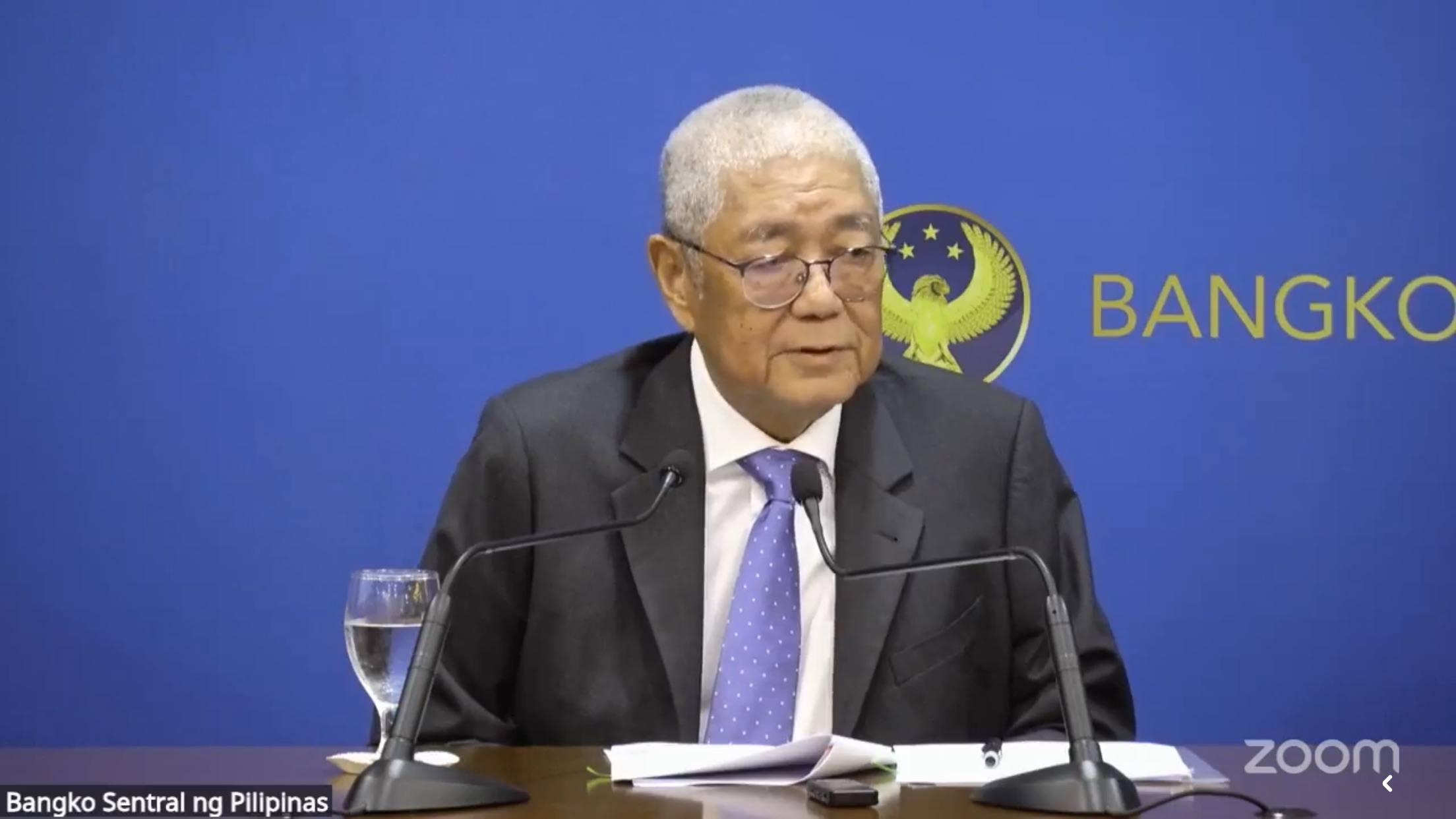
The Bangko Sentral ng Pilipinas (BSP) has projected headline inflation for October to land between 7.1 percent and 8.1 percent, following a sharp pickup in consumer prices recorded by the Philippine Statistics Authority (PSA) last month. Official PSA data showed annual inflation climbed to 7.2 percent in September, up from 6.1 percent in August and above market forecasts of 6.6 percent — matching a three‑year high first seen last April.
The central bank said the main upward pressures for the coming month are expected to come from costlier domestic fuel, electricity, and transport fares. The Philippines’ dependence on imported Middle Eastern oil has made local prices sensitive to regional tensions, which were already cited as a key driver behind September’s faster price gains. PSA figures showed transport inflation rose to 14.6 percent in September, while housing, water, electricity, gas and other fuels hit 8.4 percent. Food and non‑alcoholic beverage inflation also quickened to 6.7 percent, with core inflation — which strips out volatile food and energy items — jumping to 4.7 percent, its highest level since November 2023. Monthly consumer price growth reached 1 percent in September, the steepest since April, bringing the year‑to‑date average inflation rate to 5.4 percent.
The BSP noted that rising energy‑related costs may be partially tempered by improved supply for key farm goods, including rice, vegetables, meat, and fish, which could help ease food price increases in October. The projected inflation band remains above the government’s 2‑4 percent target range, keeping monetary policy settings under close review. For households, a higher October reading means continued pressure on daily budgets, with transport and utility bills likely to stay elevated even as food costs show some relief. Businesses meanwhile face higher operating costs for fuel and power, which may affect pricing decisions and spending plans in the coming months.
The central bank added it will stay vigilant and adjust its stance based on fresh inflation and economic growth data, while continuing to monitor how developments in the Middle East shape the country’s price and growth outlook moving forward.