PHINMA Education has become Southeast Asia’s largest higher education network by enrollment by targeting a market many institutions struggle to serve: low-income students who often enter college academically unprepared.
The network now serves more than 190,000 students across 14 universities and colleges and 20 campuses in the Philippines and Indonesia, PHINMA Corp. president and COO Chito Salazar said.
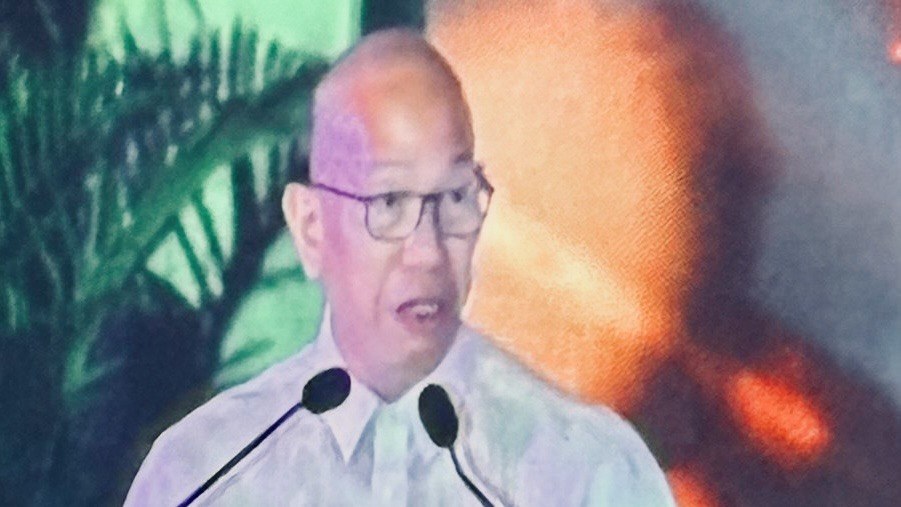
“By intent and design, low-income families are our market,” Salazar said after receiving the Management Association of the Philippines’ 2026 Management Person of the Year award.
Only 1 to 3 percent of PHINMA Education’s incoming freshmen are considered college-ready, with many arriving with reading and mathematics skills at the Grade 4 level.
Despite this difficult starting point, the network reported a 95-percent first-time passing rate in licensure examinations, 22 board topnotchers and a 77-percent employability rate for school year 2026–2027.
Tuition ranges from P5,500 to P18,000 per semester, making affordability central to its operating model.
Salazar said reaching this market required experimentation, repeated failures and constant adjustments, particularly because few established business models offered a blueprint for serving students with such significant learning gaps.
“We weren’t innovative. We were simply stubborn and refused to give up or say it couldn’t be done,” he said.
PHINMA Education has built its model around economies of scale, disciplined resource management and learning programs tailored to students’ capabilities. The approach seeks to keep tuition within reach while giving students the academic support needed to complete their degrees and qualify for employment.
“The difference is not, however, where our kids finish. It is where they begin,” Salazar said.
That distinction goes to the heart of the network’s mission. Its measure of success, he stressed, is not simply the number of students enrolled or campuses established, but whether young people from disadvantaged families can use education to break the cycle of poverty.