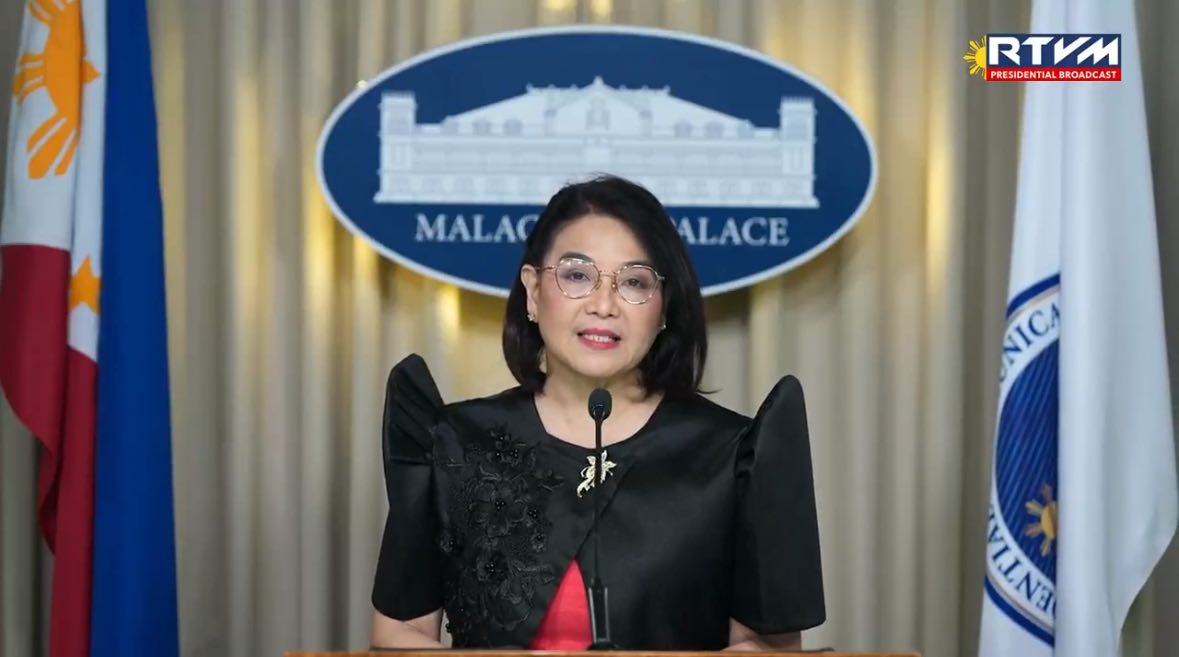
President Ferdinand Marcos Jr. has not agreed to source all Philippine energy and agricultural imports from the United States, Malacañang said, signaling that Manila will retain flexibility to buy from suppliers offering more competitive prices and reliable deliveries.
Palace Press Officer Claire Castro said no commitment had been made to meet US President Donald Trump’s reported demand for increased purchases of American products, as businesses await details of the trade arrangement.
“No such terms agreed to by the president. Wala pa,” Castro said.
She stressed that any proposed purchases would be evaluated against prices, supply availability and their impact on local producers, rather than automatically favoring American suppliers.
Discussions have so far focused on accelerating negotiations over possible purchases, with the specific commodities, volumes and transactions still to be determined. Castro gave no timetable for an agreement, including Trump’s reported January target, saying Cabinet officials had yet to submit their recommendations.
A White House fact sheet dated Nov. 18, cited during the Palace briefing, said Trump and Marcos had agreed to eliminate the US trade deficit with the Philippines through increased Philippine imports of American energy and agricultural products. The purchases, Washington said, would support tens of thousands of US jobs.
Asked how many jobs the arrangement could generate for Filipinos, Castro offered no estimate, reiterating that transactions must deliver benefits to the Philippines.
“Meron bang ibang source? May iba pa bang mas mura?” she said, describing the government’s considerations in evaluating American offers.
On energy supplies, Castro said the Philippines would consider alternative sources if existing suppliers, including those in the Middle East, became more expensive, unavailable or difficult to secure.
Her remarks leave open the possibility of increased US purchases but underscore that the government has yet to commit to an exclusive sourcing arrangement that could limit its options on energy security, food supply and import costs.
For local businesses and consumers, the eventual terms could have implications for procurement costs, agricultural competition and the country’s ability to diversify critical supplies.