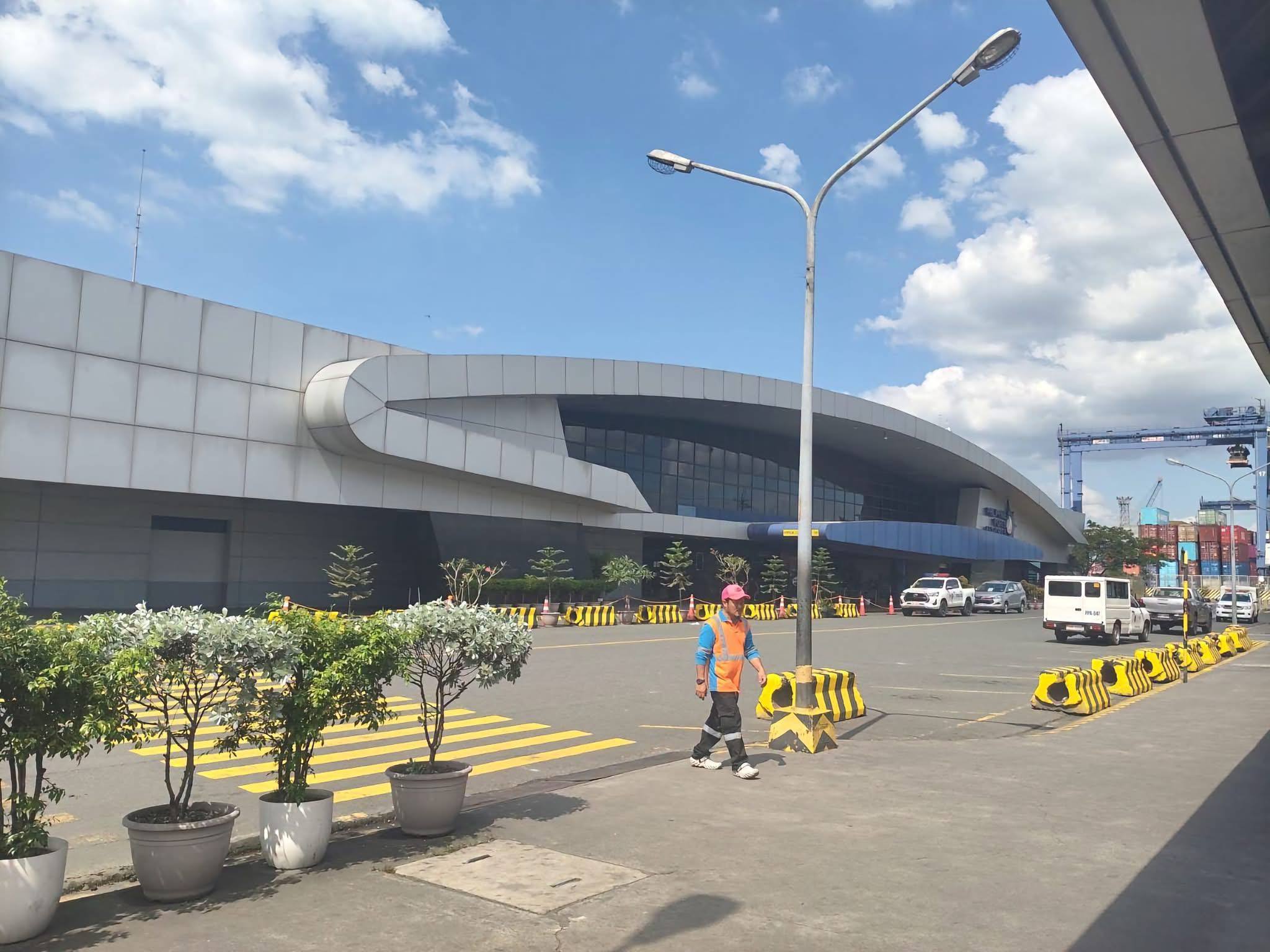
Transportation Secretary Vince Dizon has directed the newly appointed heads of the Maritime Industry Authority (Marina) and the Land Transportation Office (LTO) to lead efforts in easing congestion at the Port of Manila, as part of the administration’s push to modernize the maritime sector and streamline the movement of cargo and trucks.
In a press briefing, Dizon emphasized the urgency of delivering results, noting that the President has made maritime sector reforms one of his top priorities during the remaining 18 months of his term. “There is still much to be done, and time is running very short. My marching orders to our new appointees are that we must all move in sync. The President’s objective is to achieve rapid reform,” he stated. Malacañang has named Assistant Secretary Markus Lacanilao as Marina Administrator and Naga City Administrator Noreen Bernadette San Luis as the new LTO chief to drive these efforts forward.
Addressing port congestion is a coordinated government effort involving the Department of Transportation, the Bureau of Customs, the Philippine Ports Authority, the Department of Trade and Industry, and other concerned agencies. Together, they will work to expand container yard capacity, speed up the removal of cargo that stays beyond its allowed time, and smoothen truck flow in and around the port area.
A key measure being advanced is the proposed Joint Administrative Order, which aims to set clearer rules for port and container operations, make shipping and logistics fees more transparent, and ensure port facilities are used more efficiently. Other steps include running more sweeper vessels to take away empty containers, reviewing limits on truck movements, strictly enforcing rules against overloading, and looking into pass-through fees that local governments charge truckers.
Beyond easing bottlenecks, these efforts are also meant to modernize the maritime sector, improve services, and strengthen passenger safety—especially important as the Christmas season brings a sharp rise in sea travel. Dizon noted that stricter regulation is needed to prevent unsafe practices, such as using vessels not designed for passengers, while the government also provides the right support to help the industry modernize.