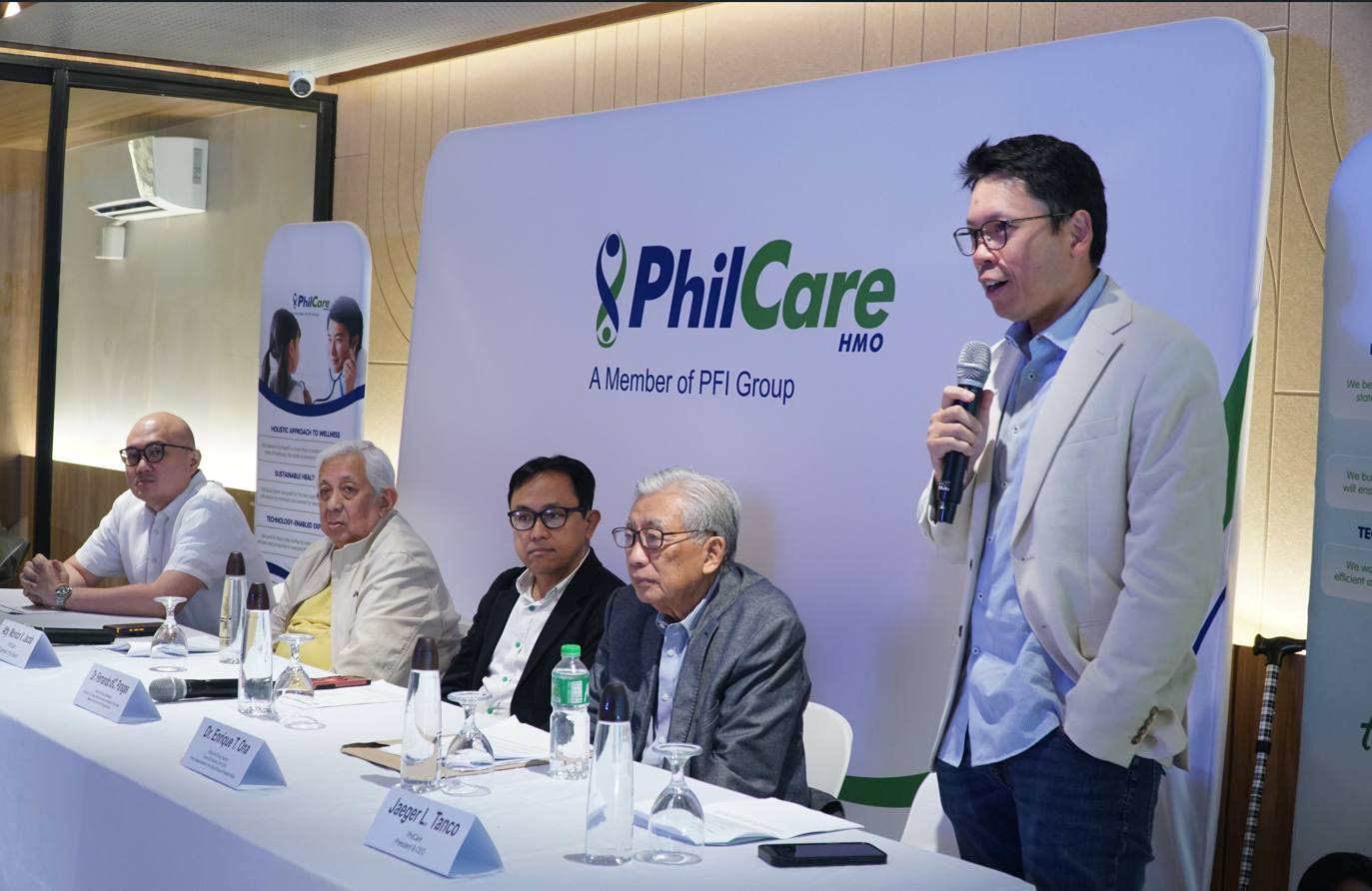
More than half of working-age Filipinos believe the senior citizens in their care cannot access emergency medical services on their own, according to a new study by health maintenance organization PhilCare.
The Well-being Indicators for the Seniors in our Household (WISH) Study, which surveyed 400 working Filipinos aged 21 to 59 nationwide in October 2026, revealed that 54 percent of respondents doubt their elderly relatives could get emergency help independently. Additionally, half of those surveyed reported that the seniors they care for are financially unprepared to pay for ongoing medical services before a condition becomes severe.
These elder care challenges are worsened by broader household financial struggles. Data from the Bangko Sentral ng Pilipinas’ 2025 Consumer Finance and Inclusion Survey shows that 77 percent of Filipino adults struggle to raise emergency funds, leaving families vulnerable when sudden health issues arise.
WISH Study lead researcher Dr. Fernando Paragas noted that these financial realities mean families need practical tools to manage health concerns early, rather than just reacting to emergencies. Former Health Secretary and WISH Study Chairman Dr. Enrique T. Ona echoed this, stating that older Filipinos need accessible medical care and support systems that allow them to maintain their health and age with dignity.
To address these gaps in senior healthcare, PhilCare has launched its enhanced VidaCare prepaid healthcare plan for individuals aged 60 and above. The plan is designed to make routine and preventive medical care more accessible, even before symptoms appear.
VidaCare provides seniors with a full year of unlimited consultations with accredited doctors and dentists, laboratory and diagnostic tests at designated PhilCare clinics, and basic mental health support via the HeyPhil app. It also includes a one-time outpatient emergency room benefit of up to ₱20,000 for accidents and viral or bacterial infections.
PhilCare President and CEO Jaeger L. Tanco said the enhanced plan aims to give families an extra layer of support and make proactive healthcare more manageable before an emergency occurs.