Canada’s role in supporting the country’s energy transition and decarbonization efforts continues to gain momentum, with new commitments and partnerships emerging from a high-profile forum held recently.
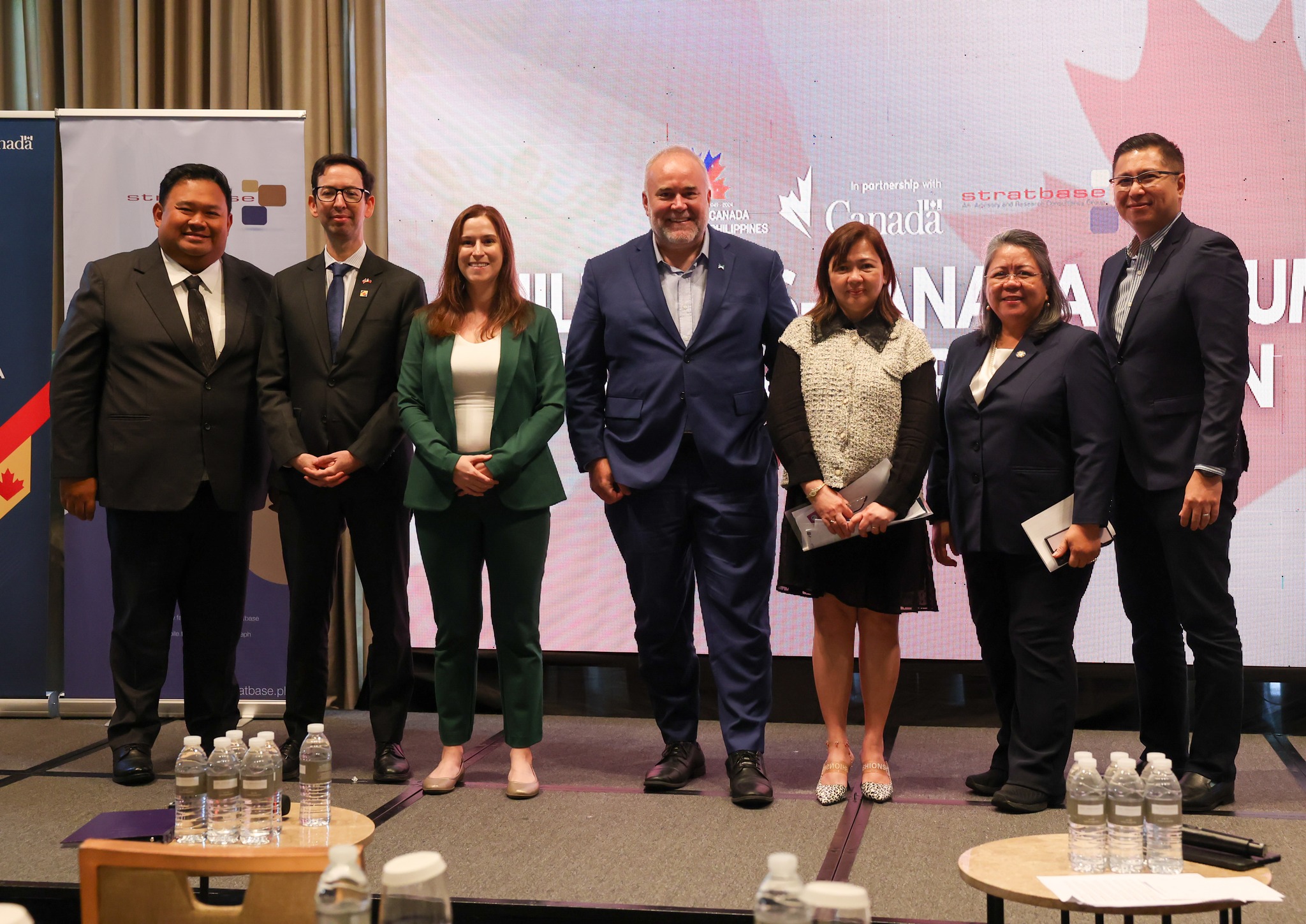
The Philippines-Canada Forum on Energy Transition, organized by the Stratbase Institute in partnership with the Embassy of Canada to the Philippines and Natural Resources Canada, showcased growing collaboration between the two nations on clean energy solutions.
The forum also hosted delegates from the largest-ever Canadian trade mission to the Philippines, which brought over 300 representatives from more than 190 Canadian business organizations, underscoring Canada’s deepening engagement with the Southeast Asian nation.
Canada’s Indo-Pacific trade representative, Paul Thoppil, reiterated Canada’s commitment to supporting the Philippines in its efforts to transition to a more sustainable energy system.
He highlighted the alignment of Canada’s development assistance with global climate action goals, specifically pointing to the creation of the Canadian Climate and Nature Fund for Private Sector in Asia, a partnership with the Asian Development Bank (ADB).
“For the first time ever, Canada’s Development Finance Institution, FinDev, has been given geographic expansion into the Indo-Pacific region,” Thoppil said, emphasizing the potential for greater cooperation between the two countries in energy sectors such as renewables, nuclear power, and energy grid modernization.
A key element of this partnership is Canada’s support for the Philippines’ energy transition through the Climate Investment Funds’ Accelerating Coal Transition Initiative. As the second-largest donor to the initiative, Canada has committed up to $500 million to assist the Philippines in its shift away from coal and towards cleaner, more sustainable energy sources.
Thoppil stressed the importance of sustainable commercial relationships between Canada and the Philippines, focusing on capital flow and technology transfer. “For a commercial relationship to thrive, it needs to be sustainable. We believe in the capital and technology that exists in your country that we can benefit from as well,” he explained.
Canada’s diverse energy expertise, including in hydro, LNG, nuclear, and biomass, presents ample opportunities for knowledge sharing and economic collaboration, according to Philippine Energy undersecretary Rowena Guevara.
She noted that Canada’s support could be critical to the Philippines’ energy transition, particularly as the country explores nuclear power as a potential solution to its energy needs. “Canada and the Philippines share a commitment to sustainability and innovation. Canada’s expertise in renewable energy, nuclear power, and grid modernization presents immense opportunities for knowledge sharing,” Guevara said.
She also emphasized the potential for joint ventures in energy technologies like hydrogen production, which could strengthen both countries’ decarbonization efforts.
Environment undersecretary Analiza Teh echoed the sentiment, underscoring the importance of international collaboration in achieving sustainability. She pointed out that the partnership with Canada could provide critical technical expertise for policy recommendations and modeling, and could help mobilize the private sector to align with national and climate goals.
The private sector’s role in driving the energy transition was further emphasized by Stratbase Group chief operating officer RP Manhit. He noted that Canada has been a trusted partner in this regard, and the presence of its largest-ever trade mission to the Philippines signals growing recognition of the country’s investment potential.
“With the Philippines’ power generation sector being almost entirely privately owned, there is a unique opportunity for private entities to lead in driving this transformation,” Manhit said. He added that such leadership would not only accelerate the country’s clean energy goals but also bolster energy security and contribute to broader economic growth.
As the Philippines continues to move toward a greener, more sustainable energy future, Canada’s growing support and expertise will play a critical role in ensuring the success of this ambitious transition.