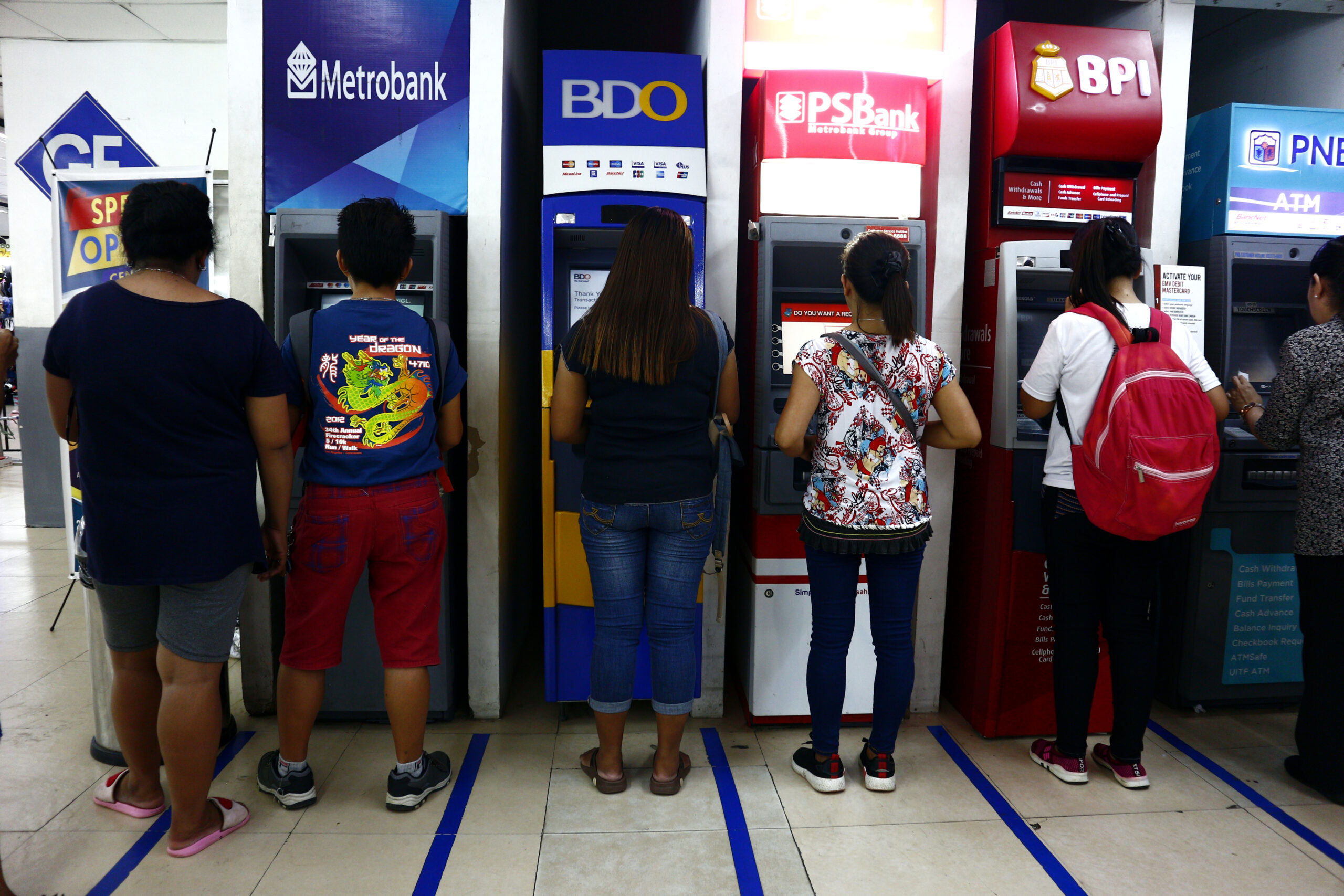
Bank lending continued to expand in November, reflecting steady access to credit for businesses and households and supporting overall economic activity. Outstanding loans from universal and commercial banks grew by 10.3 percent from a year earlier, while month-on-month growth stood at 0.9 percent after seasonal adjustment.
Loans to residents increased at a slightly slower pace, while lending to non-residents declined further. Credit for business activities rose by 9.0 percent, with strong growth seen in real estate, utilities, trade, transport, and information and communication services. Consumer loans—such as credit card, car, and salary loans—also remained robust, growing by 22.9 percent.
At the same time, domestic liquidity, or the amount of money circulating in the economy, grew by 7.6 percent year-on-year to ₱19.4 trillion in November. Although slower than in October, money supply expanded by 1.2 percent from the previous month after seasonal adjustment.
Liquidity growth was driven mainly by higher claims on the domestic sector, particularly continued bank lending to private businesses and households, as well as increased government borrowing. Net foreign assets also rose, reflecting improved foreign positions of the banking system and the central bank.
Bank lending and domestic liquidity are closely linked: as banks extend more loans, money supply in the economy increases, providing funds for spending, investment, and business expansion. This relationship makes bank lending a key channel through which monetary policy affects economic activity and inflation.
The Bangko Sentral ng Pilipinas (BSP) said it will continue to monitor both bank lending and liquidity to ensure that financial conditions remain supportive of economic growth while staying consistent with its price and financial stability goals.