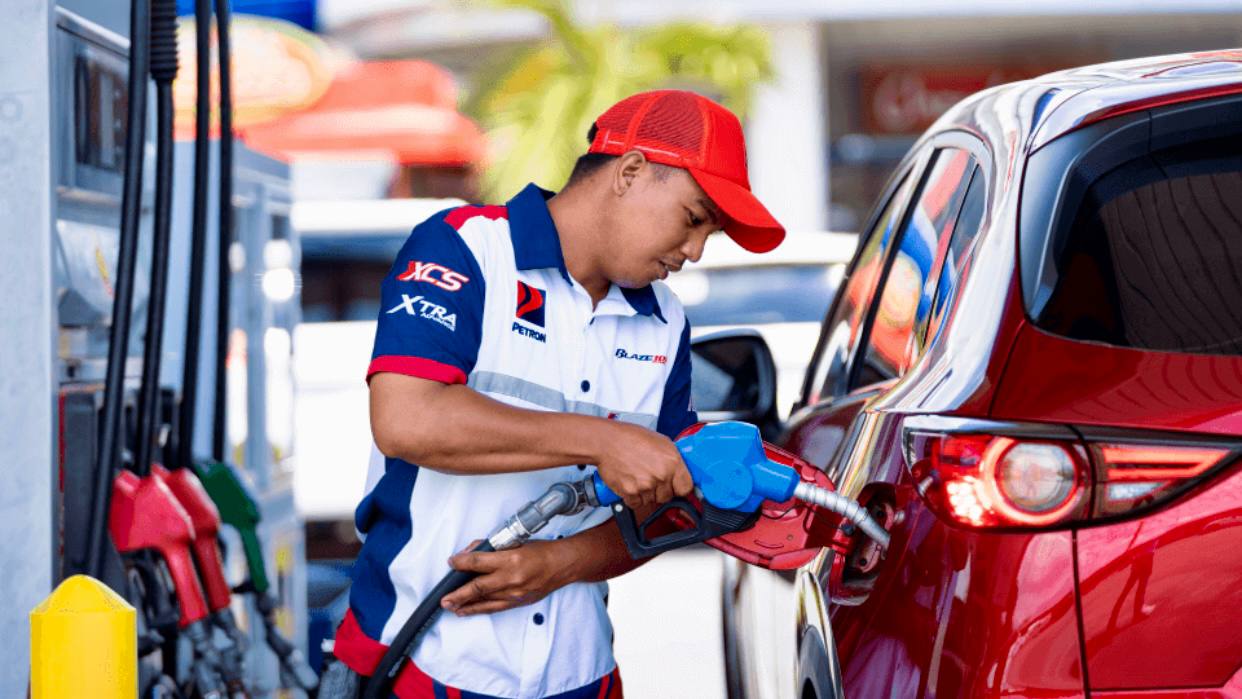
Petron Corp., the country’s largest oil refiner controlled by San Miguel Corp., closed 2025 with record-breaking results, reporting a net income of P15.6 billion, up 84 percent from P8.5 billion the previous year.
The surge was driven by strong domestic volume growth, improved productivity at its refineries in the Philippines and Malaysia, and disciplined cost management, including financing savings and efficient working capital.
Total oil volumes in both markets reached 113.4 million barrels, a 3 percent increase over 2024. Petron maintained its market dominance at home despite stiff competition, while Malaysian volumes held steady even after the government revised fuel pricing mechanisms.
As the operator of the Philippines’ only remaining refinery, Petron maximized plant utilization and benefited from favorable refining economics. Global crude trends worked in its favor as well. The Dubai crude benchmark averaged USD69 per barrel in 2025, down 13 percent from 2024, helping Petron contain costs amid lower international prices.
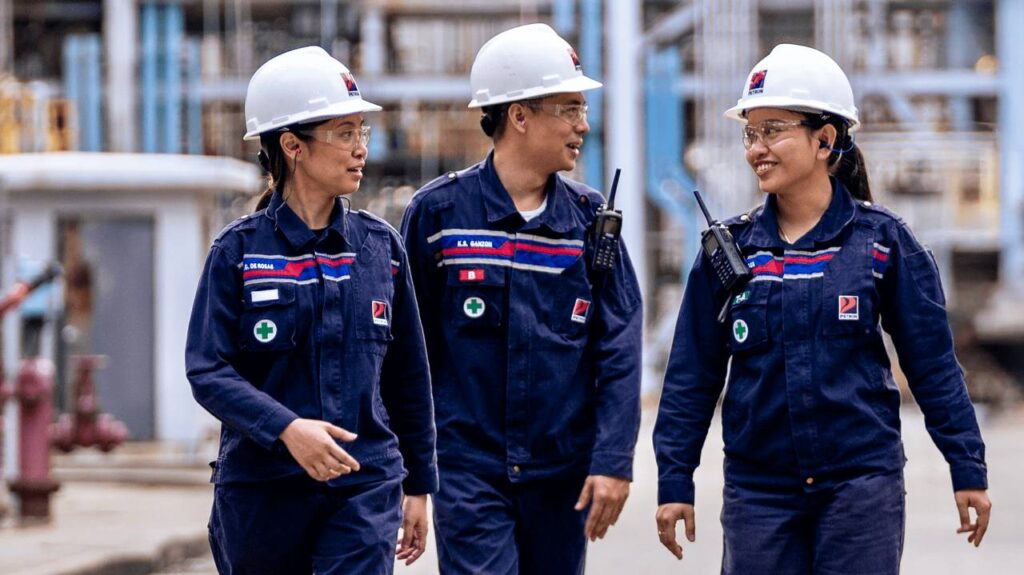
Revenue for the year dipped 7 percent to P810 billion from P868 billion, reflecting softer crude pricing. However, operating income rose 28 percent to P37.3 billion, up from P29.2 billion in 2024, showing that volume and efficiency gains more than offset weaker top-line growth.
“Despite external challenges, we achieved growth across the business and emerged stronger in an unpredictable market,” said Petron President and CEO Ramon S. Ang. He added that the historic performance underscores the resilience of the company’s strategy and its commitment to expanding supply chain capabilities, strategic footprint growth, and national development.
Petron’s market strength was confirmed by Department of Energy data, which showed the company’s Philippine market share rising to 28 percent in the first half of 2025, up from 25 percent in 2024. It also retained its leading position in the LPG segment, commanding 25.1 percent of the market.
For Petron, 2025 was not just a strong year. It was a statement of endurance, strategy, and market leadership, proving that a homegrown oil champion can thrive even when global crude prices soften.