The Philippine packaging industry is expected to face higher costs as the ongoing conflict involving Iran pushes up global oil prices and disrupts supply chains. These challenges could also lead to more expensive consumer goods.
Globally, the packaging market is projected to reach US$1.11 trillion in 2025, while the Philippine industry is valued at US$78 billion. However, rising oil prices are increasing the cost of raw materials—especially plastic—along with transportation and trade expenses. Inflation is also adding pressure on businesses.
Plastic packaging, which is widely used for food, beverages, and personal care products, is particularly affected because it is made from petroleum. The food and beverage sector alone uses about 40 percent of global plastic packaging. Experts say packaging costs for bottled products could rise by up to 45 percent if the conflict continues.
Higher packaging costs are likely to be passed on to consumers. In the Philippines, many people rely on small, affordable sachets for items like coffee and toothpaste. Filipinos use around 164 million sachets daily, making them a key part of everyday spending.
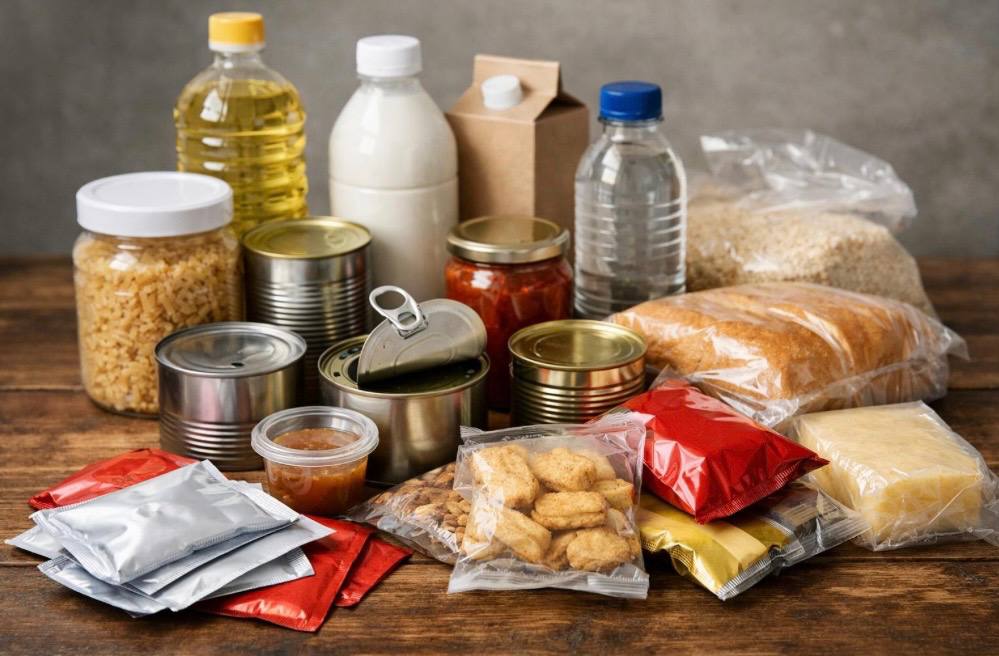
Grocery items such as coffee, cooking oil, chocolate, canned goods, snacks, and dairy products may see price increases due to more expensive packaging and logistics. Fresh food like seafood, vegetables, and bread may also be affected by higher transport and storage costs.
In response, the Packaging Institute of the Philippines is promoting more sustainable and efficient packaging to reduce material use and costs. The group is working with industry members to develop alternatives, including biodegradable materials.
Experts warn that Asia, which relies heavily on imports, may be hit harder by rising oil prices, leading to faster increases in costs across food, transport, and other essential goods.