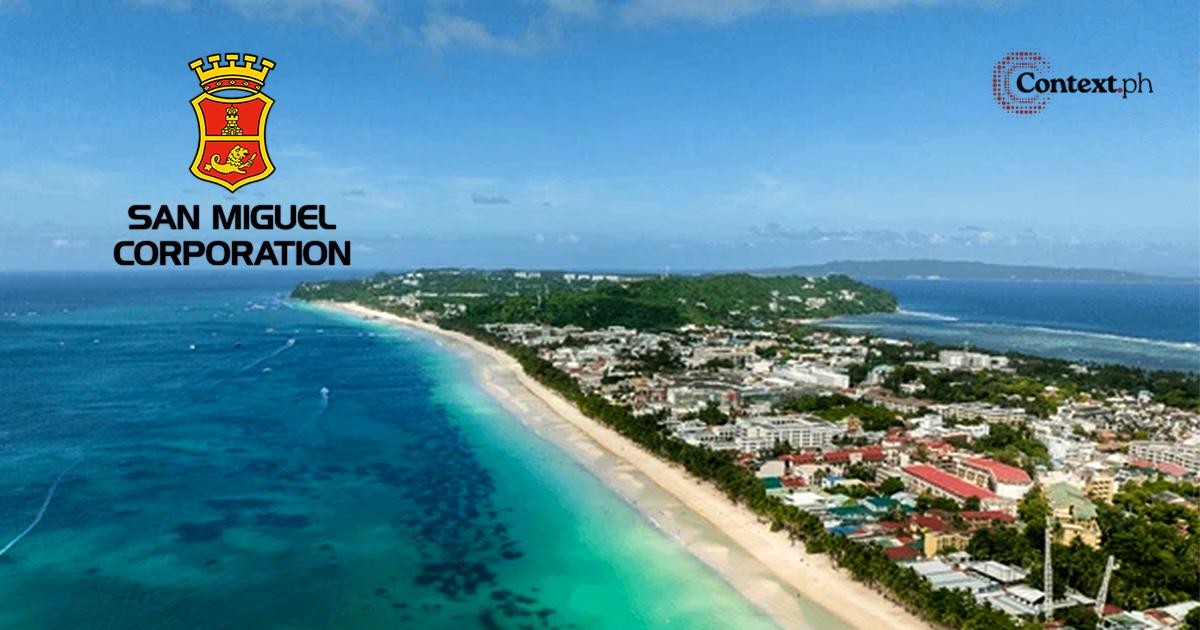
San Miguel Corp. (SMC) has clarified it has not decided to drop the ₱7.78-billion Boracay Bridge Project, contrary to recent reports. The company said it will hold wider consultations with local groups before determining the project’s next steps.
Reports claiming SMC had backed out emerged following a May 13 meeting between SMC chief Ramon S. Ang and Aklan officials. During that discussion, Ang acknowledged strong local concerns and emphasized the project would not move forward if host communities do not support it, though he noted it could be revisited in the future if key issues are properly addressed.
Major worries raised by boat operators, transport associations, workers, and residents center on potential livelihood displacement, unsettled loans from boat modernization efforts, and changes to existing transport operations between Caticlan and Boracay. SMC said it remains committed to working with government bodies, cooperatives, and local stakeholders to develop mitigation measures, transition support, and livelihood programs that respond to these concerns.
The proposed bridge is designed primarily to improve the movement of essential goods, waste, utilities, emergency services, and regulated transport between the mainland and the island—not to open Boracay to unrestricted vehicle access. Any vehicle use will be limited to authorized units under rules set by local and national authorities. The project will not add new hotel rooms, increase tourist limits, or alter existing environmental safeguards and island management regulations, which remain under government control. It is meant to complement rather than replace current boat crossings, taking over functions better suited to a controlled land link such as cargo delivery, waste transport, and emergency access, while helping lower logistics costs for residents and businesses and improving mobility for seniors, persons with disabilities, and those needing medical or essential services.
This development underscores how public-private infrastructure projects in the Philippines rely heavily on community consent and careful impact planning. It highlights the ongoing balance between advancing tourism and logistics development, and protecting local livelihoods, established operations, and environmental protections in high-value destinations like Boracay.