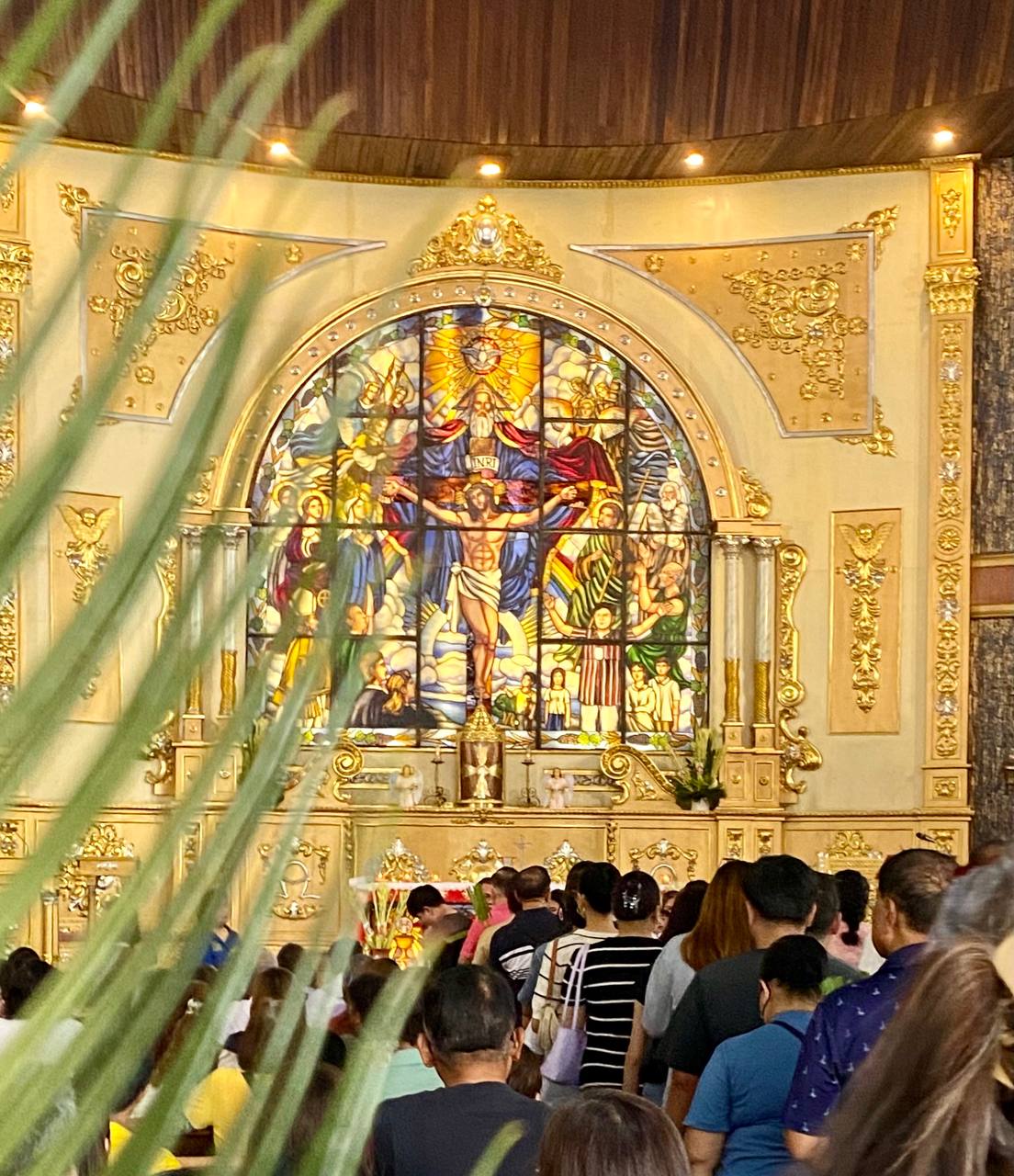
For many Filipinos, Holy Week marks one of the longest breaks of the year—a welcome pause to return to provincial towns, join the Stations of the Cross, visit churches, and watch the Senakulo.
This year, however, the rising cost of fuel amid geopolitical tensions in the Middle East is nudging travelers to rethink the traditional pilgrimage. Road trips are becoming more measured even as devotion remains unwavering across communities.
Jaison Yang, president of the Philippine Travel Agencies Association, noted that higher oil prices are squeezing road travelers during a period when millions head to the province for a break or just the traditional Visita Iglesia.
In response, the Department of Tourism is promoting domestic destinations that reduce reliance on air travel. Cycling tours, group road trips, and other low-fuel adventures are now in the spotlight.
Yet bookings tell another story: Holy Week travel was largely secured and fully paid for as early as last year. Yang explained that domestic destinations and nearby countries unaffected by geopolitical tensions continue to see strong demand.
Air travel is expected to rise slightly.
NAIA Infra Corp., the new operator of Ninoy Aquino International Airport, anticipates over 1.35 million passengers passing through the country’s main gateway from March 28 to April 5, 2026. That is slightly above the 1.33 million passengers recorded during Holy Week last year.
Cruises are also emerging as a practical option. Yang highlighted voyages originating and returning to the Philippines, which can carry over 2,000 passengers per sailing and operate with more efficient fuel management systems, offering a resilient alternative for travelers mindful of costs.
Meanwhile, road travelers are increasingly choosing public transportation.
The Parañaque Integrated Terminal Exchange expects around three million passengers between March 22 and April 6. Baguio City, a perennial Holy Week favorite, faces reduced bus trips due to fuel pressures, with schedules now stretching to two hours between departures instead of the usual 30 to 60 minutes.
Amid these logistical adjustments, the Catholic Bishops’ Conference of the Philippines is promoting a modern spiritual practice: digital fasting.
Extending traditional fasting from food to screens, the initiative invites Filipinos to step away from phones, social media, and online entertainment to make space for prayer, reflection, and real human connection.
Digital fasting is not about deprivation but transformation. Device-free meals, phone-free mornings or evenings, or entire days unplugged help shift attention from distraction to devotion, from noise to stillness. This Holy Week, the CBCP reminds the faithful that renewal often begins by slowing down, unplugging, and making room for what truly matters.
The call was introduced in CBCP’s 2026 Lent pastoral letter issued on February 16, 2026.