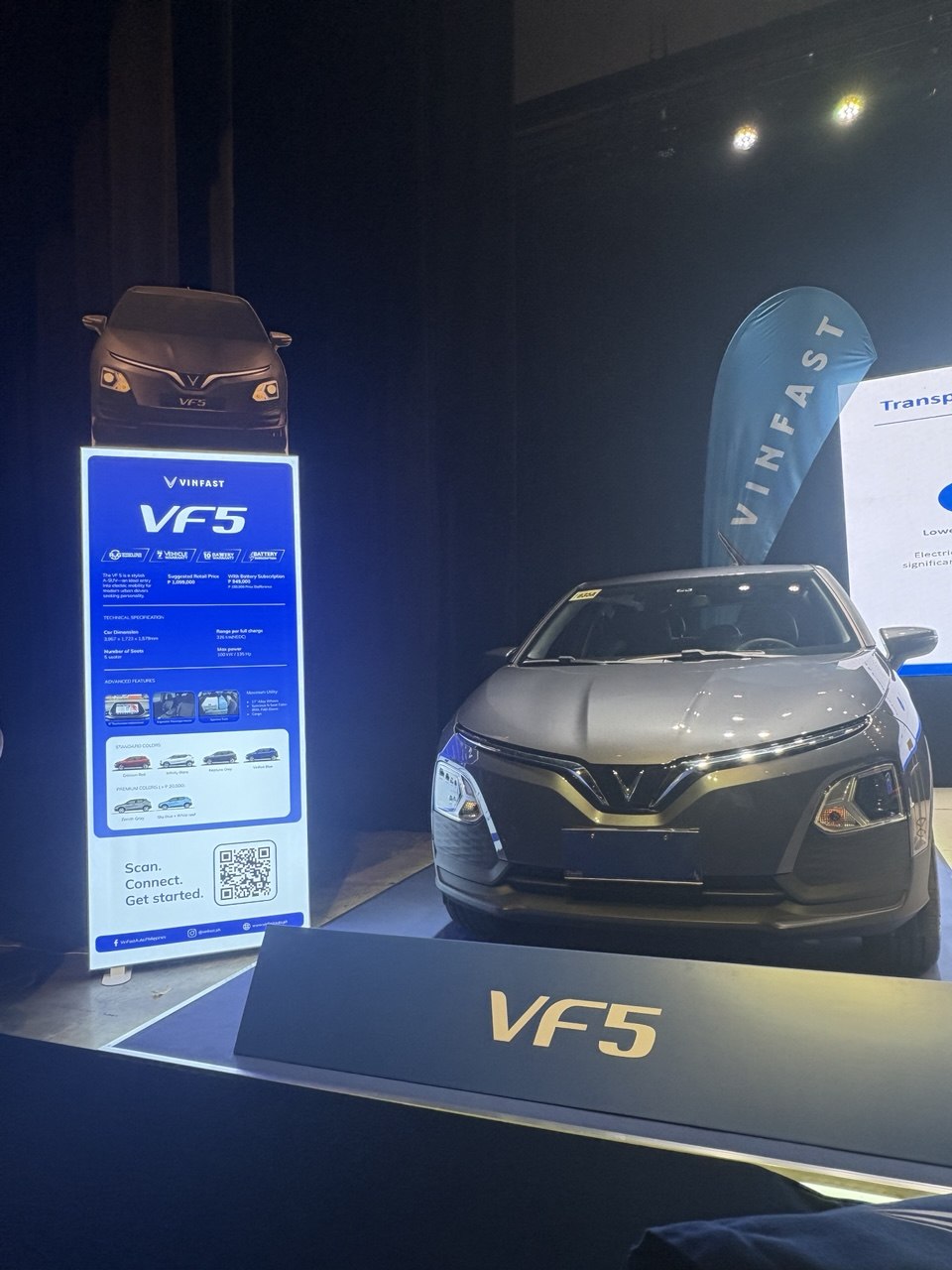
Battery electric vehicle (BEV) adoption in the Philippines could accelerate dramatically toward the end of the decade, with penetration potentially reaching as high as 50 percent by 2030, according to industry projections shared at a mobility symposium in Taguig City.
Speaking at “From Fuel to Future: The Philippines’ EV Turning Point” on Tuesday, VinFast Southeast Asia chief executive officer Antonio Zara said the country is nearing a tipping point, driven by persistently high fuel costs and shifting regional supply chains.

“Our forecast points to 100 percent year-on-year growth in penetration,” Zara said, noting that BEVs currently account for roughly 5 percent of the market as of 2025. “We cannot resist this trend. The Philippines will follow the same path toward electrified mobility as other markets.”
Zara estimates BEV adoption could reach 30 percent to 40 percent by 2030 under baseline conditions. However, if fuel prices remain elevated or climb further, penetration could rise to between 40 percent and 50 percent.
Regional dynamics are expected to play a key role. Vietnam has already achieved around 35 percent BEV penetration—among the highest globally—while Thailand stands at 22 percent and Indonesia at 11.4 percent.
The Philippines’ reliance on vehicle imports from these markets may accelerate the transition as manufacturers increasingly prioritize electric models.
Cost considerations are also strengthening the case for EVs. A full tank of fuel for a typical sedan can cost about P4,000, compared with roughly P800 for a full charge of a compact electric vehicle capable of traveling up to 326 kilometers.
To further spur adoption, VinFast has extended its free charging program through March 2029 and continues to promote its battery subscription model, lowering upfront costs for consumers entering the EV market.