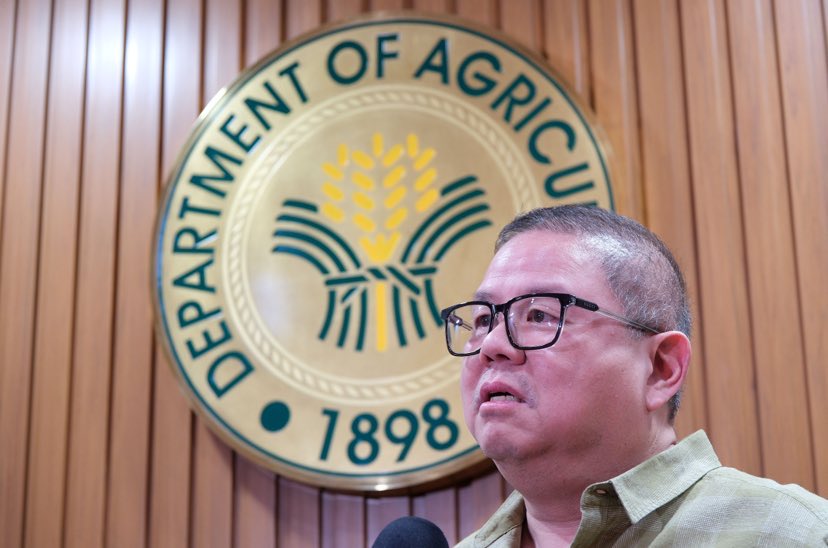
The Department of Agriculture (DA) assured lawmakers that food importation will only be used during serious supply shortages and is not the government’s main strategy for managing food supply.
Agriculture Secretary Francisco Tiu Laurel Jr. said the government wants to reduce dependence on imports and focus more on strengthening local farming. He explained that imports will only be allowed if local supply fails, prices sharply increase, or consumers are at risk.
During a House hearing, the DA also presented plans to protect the agriculture sector from threats such as rising oil prices and a possible severe El Niño later this year. North Luzon, a major food-producing area, was identified as critical to maintaining national food supply.
To prepare for drought and climate-related risks, the DA plans to expand greenhouse farming, improve water storage systems, and increase the use of drip and solar-powered irrigation. The agency is also encouraging crop diversification so farmers will rely less on water-intensive crops.
The DA announced higher National Food Authority buying prices for palay starting September to help farmers earn more and stabilize farmgate prices.
The agency said these measures are part of a long-term strategy to improve local food production, strengthen supply forecasting, and avoid unnecessary emergency imports.
The government is trying to balance affordable food prices with protecting local farmers. By focusing on climate preparedness and stronger domestic production, the DA hopes to reduce the country’s reliance on imported food while improving food security during future supply disruptions.