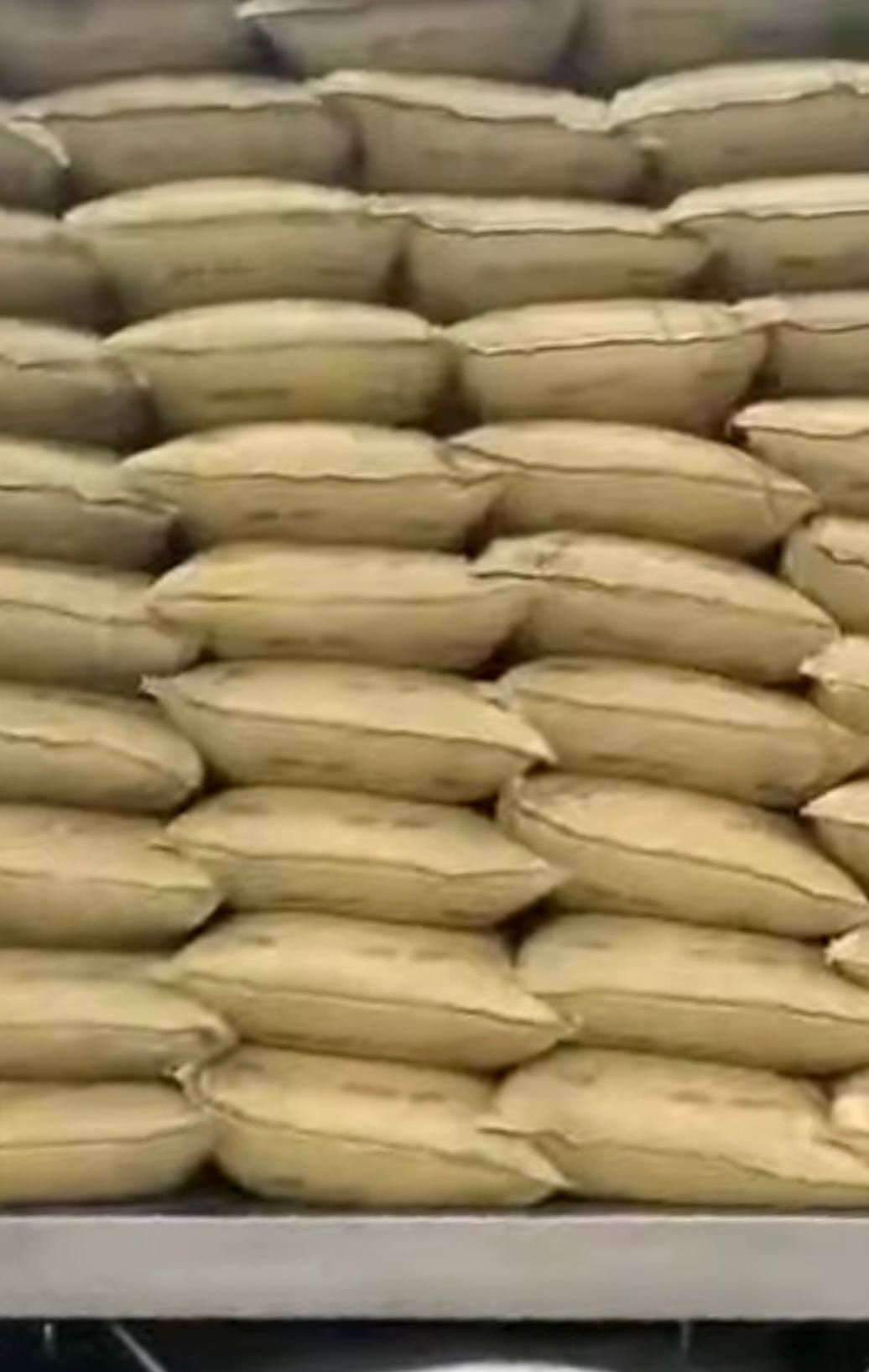
The government is ready to immediately enforce a ₱50-per-kilo price cap on imported rice to help ease the burden of rising food prices on Filipino consumers, the Department of Agriculture (DA) said.
Under Executive Order No. 118 signed by President Ferdinand Marcos Jr., the temporary 30-day ceiling will apply to imported rice with 5 percent broken grains. The DA said the move aims to stop unjustified price increases, prevent hoarding and market abuse, and keep rice affordable during a period of high inflation.
The measure comes as inflation sharply accelerated following the conflict in the Middle East, which pushed up global oil prices and transport costs. Food inflation climbed to 6.1 percent in April, while overall inflation rose to 7.2 percent, putting added pressure on household budgets.
The DA stressed that rice is a critical commodity in the Philippines, especially for low-income families who spend a large portion of their income on food. Officials said the price cap is meant to protect consumers while maintaining market stability.
Agriculture Secretary Francisco Tiu Laurel Jr. said the government is prepared to act against hoarders, profiteers, and cartels under existing laws. The National Price Coordinating Council will review the cap within two weeks to determine whether it should be adjusted, extended, or lifted depending on market conditions.
The policy drew mixed reactions from agriculture groups. Some industry leaders said the cap could temporarily shift demand toward local rice and help improve farmgate prices for farmers. Others argued it highlights the failure of heavy rice importation to lower consumer prices and warned that many local farmers remain discouraged by weak support and low earnings.
Current DA price monitoring in Metro Manila showed imported regular rice selling between ₱42.50 and ₱48 per kilo, while premium and special rice varieties were priced around ₱60 per kilo.