The modern shopping mall is having an identity crisis, and that may be the best thing that ever happened to retail.
Across the Visayas, malls are increasingly evolving from places where people simply buy things into destinations where they dine, exercise, socialize, work and spend their leisure time.
For developers, the shift reflects a growing reality that consumers now value experiences as much as transactions, especially as online shopping absorbs a growing share of routine purchases.
Filinvest Malls, the retail arm of Filinvest Land, is using the transformation to shape its expansion strategy across some of the region’s fastest-growing cities.
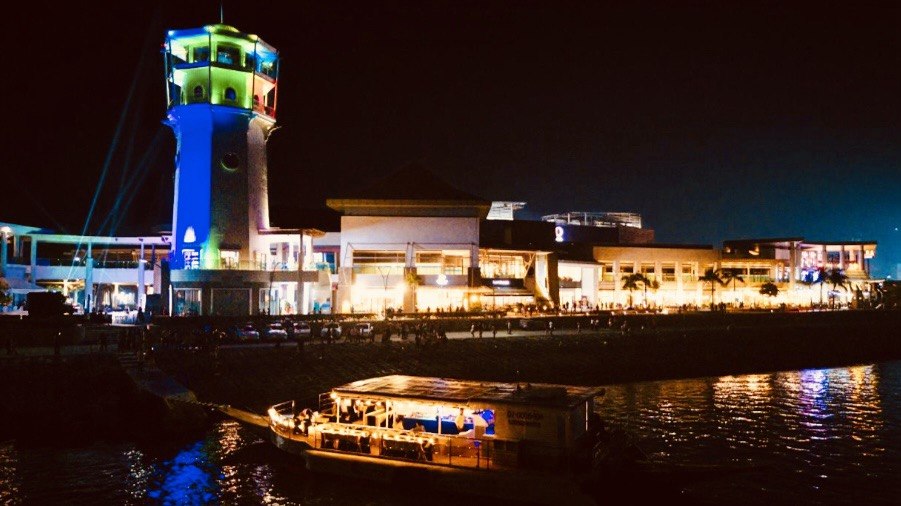
At the center of that push is IL Corso, the company’s waterfront lifestyle destination in Cebu City. Nestled along the Cebu Strait within the master-planned City di Mare township, the development has carved out a niche that few traditional malls can replicate. Instead of relying solely on retail stores, IL Corso combines outlet shopping, open-air dining, recreation and waterfront attractions into a single experience.
Popular Cebuano dining brands, outlet stores and community events have helped transform the property into a destination in its own right.
Activities such as the South Court Paddle pickleball tournament, nightlife offerings and the upcoming Salty Cruise attraction underscore how malls are increasingly competing on experiences rather than floor space alone.
The strategy extends beyond the waterfront.
In Cebu IT Park, Filinvest Shoppes Cebu caters to a different audience altogether. Located beneath Filinvest Cebu Cyberzone Tower 3, the development serves office workers, BPO employees and nearby residents seeking convenience rather than a day-long outing.
Grocery runs, wellness services and quick dining options have become as important as traditional retail offerings.
Further south, Filinvest Malls Dumaguete reflects another trend reshaping provincial cities. As tourism, education and business activity expand, malls increasingly function as community hubs that support local enterprises while providing modern lifestyle amenities.
Together, the three developments represent what Filinvest describes as a shared goal of “creating spaces that bring people closer to the communities they live in.”
That philosophy may prove timely. Concerns about e-commerce disrupting brick-and-mortar retail have not disappeared, but the response from many developers has shifted from competing on convenience to offering something digital platforms cannot easily replicate.
In the Visayas, that increasingly means transforming malls into places where everyday life unfolds. Shopping may still bring people through the doors, but community, culture and experience are increasingly what keep them coming back.