Megaworld Corp. raised its first-half net income by 5 percent to P12.7 billion, with recurring businesses and strong provincial housing demand providing a cushion against a softer property market and pointing to pockets of opportunity for the country’s biggest developers.
Consolidated revenues rose to P44.2 billion, with office leasing, malls, and hotels all posting gains. The results suggest that while property demand remains uneven, Megaworld’s integrated township model is helping it spread risk across residential, commercial, retail, and hospitality businesses.
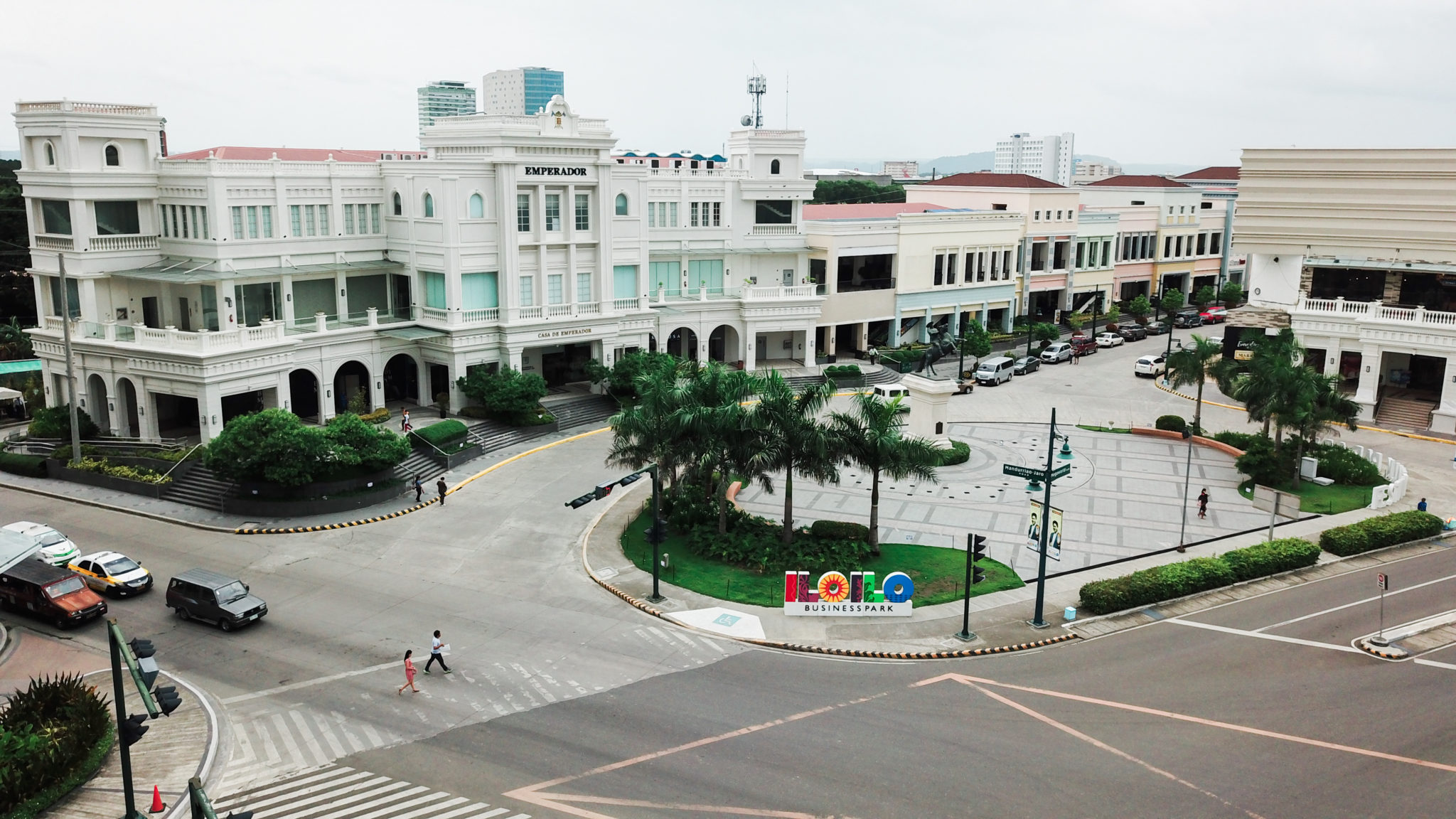
Megaworld Hotels & Resorts was the fastest-growing recurring-income segment, with revenue climbing 11 percent to P3.1 billion. The opening of the 405-room Belmont Hotel Iloilo expanded its Iloilo Business Park portfolio to nearly 1,000 rooms, positioning the company to capture rising leisure, corporate travel, and meetings demand in the city.
Lifestyle Malls revenue increased 8 percent to P3.6 billion, with occupancy holding at 95 percent. More than 16,000 square meters of new retail space opened during the first half, indicating that consumer activity has remained relatively resilient despite inflation.
Office rental revenue rose 5 percent to P7.8 billion, supported by Global Capability Centers and Knowledge Process Outsourcing tenants. Megaworld secured more than 122,000 square meters of lease renewals in the first half, covering more than 80 percent of leases expiring this year, providing visibility for recurring cash flows.
The bigger growth signal came from residential sales.
Residential pre-sales jumped 15 percent to P63 billion, while second-quarter sales surged 20 percent to P33.3 billion. Provincial projects, including Ilocandia Coastown and Paragua Coastown, helped drive the increase as Metro Manila net unit pre-sales plunged 47 percent, according to Colliers Philippines.
The sharp divergence could shape the next phase of residential development. Buyers appear to be showing stronger appetite for self-contained communities where housing is linked to jobs, retail, leisure, and essential services.
“Our first-half performance demonstrates Megaworld’s ability to deliver growth across all segments even amid a challenging property market,” President and CEO Lourdes T. Gutierrez-Alfonso said.
With P22.8 billion in cash and net debt-to-equity of just 0.24 times, Megaworld enters the second half with considerable financial flexibility.
Its 2030 target of 3 million square meters of leasing space also points to a long runway for expansion.
The immediate outlook, however, will depend on whether provincial demand can remain strong, interest rates become more supportive, and the broader economy restores confidence among property buyers.
For Megaworld, the opportunity may increasingly lie not in waiting for the property cycle to turn, but in being positioned where demand is already moving.