The Philippines is betting on its indigenous healing traditions, homegrown beauty brands, and distinctly Filipino approach to well-being to capture a bigger share of the fast-growing global wellness tourism market.
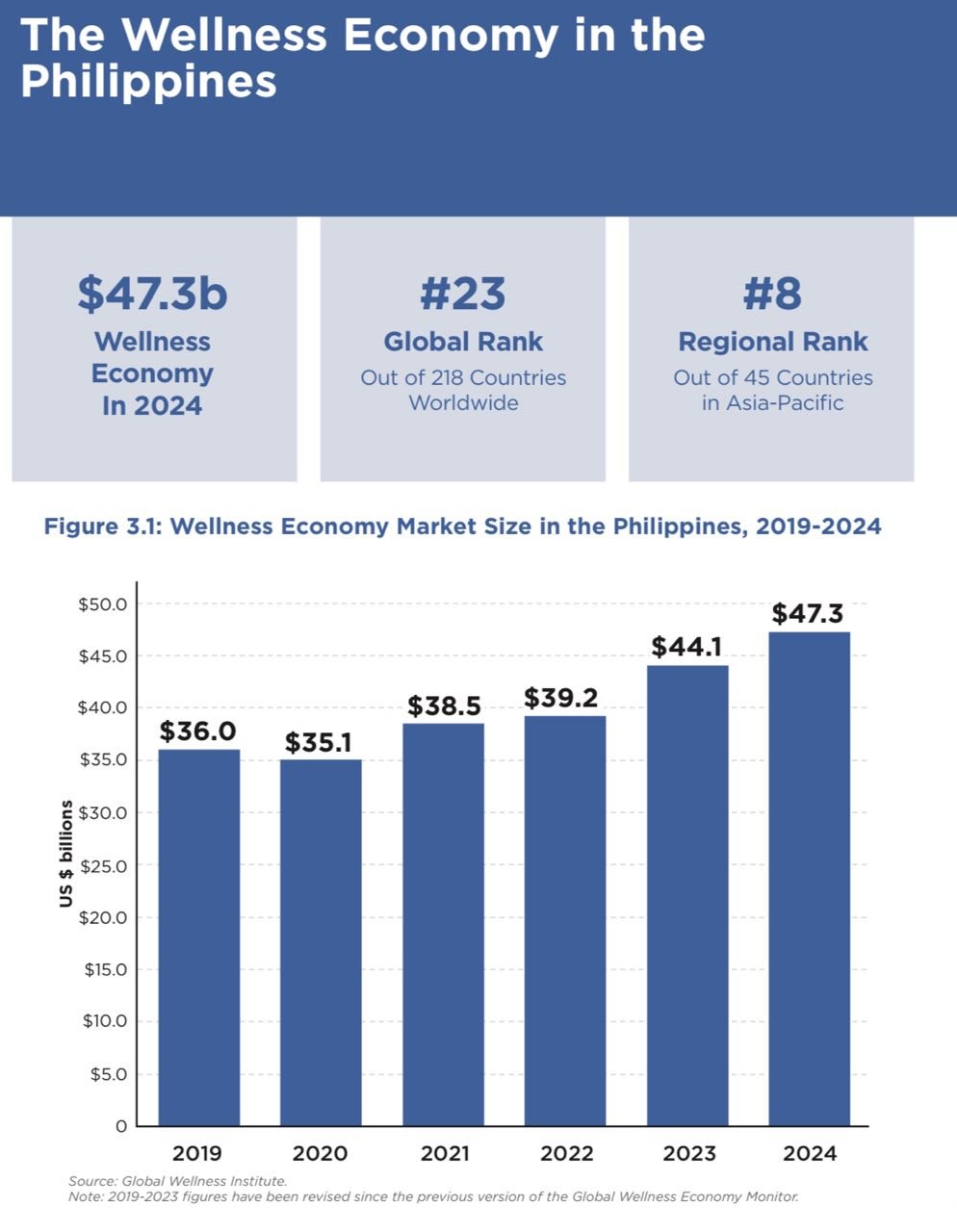
The Department of Tourism (DOT) said the country’s wellness economy is gaining momentum, creating opportunities to attract higher-spending international travelers seeking preventive health, holistic experiences, and authentic cultural connections.
According to DOT Office of Product Development Director Dr. Paulo Benito Tugbang, the Philippines is well-positioned to benefit from a global shift in consumer preferences away from purely aesthetic beauty treatments and toward wellness-centered lifestyles.
“The beauty industry sits at the heart of the Philippines’ emerging identity as a premier health and wellness destination,” Tugbang said. “Consumers today are looking not only for beauty but for wellness anchored on prevention, health, and authentic experiences.”
Citing data from the Global Wellness Institute, the DOT’s research partner, Tugbang noted that the Philippine beauty and personal care market reached USD6.7 billion in 2025 and is projected to expand to USD11.1 billion by 2034. The country’s medical tourism market is likewise expected to more than triple, from ISD1.26 billion in 2024 to USD3.98 billion by 2034, highlighting growing demand for integrated health and wellness services.
The DOT sees an opportunity to differentiate the Philippines from regional competitors by promoting what it calls the “Filipino Brand of Wellness,” anchored on the concept of ginhawa, traditional healing practices such as hilot, and the country’s reputation for hospitality.
The strategy reflects a broader trend across Asia, where destinations are increasingly packaging wellness with culture, heritage, and local products to create experiences that cannot be easily replicated elsewhere.
This means transforming Philippine wellness from a niche tourism offering into a stronger economic driver that supports local enterprises, beauty brands, wellness practitioners, and tourism communities.
“We want visitors to associate wellness in the Philippines with Filipino healing, Filipino products, and Filipino hospitality,” Tugbang said, adding that the goal is to elevate local wellness brands while offering travelers experiences uniquely rooted in Filipino identity.
As wellness becomes a larger segment of global travel spending, the DOT believes authenticity could become the country’s strongest competitive advantage.