Leading telecommunications firm PLDT Inc. and its wireless subsidiary Smart Communications Inc. have expressed full support to the Philippine Chamber of Telecommunication Operators (PCTO) in the national effort to end online sexual abuse and exploitation of children (OSAEC).
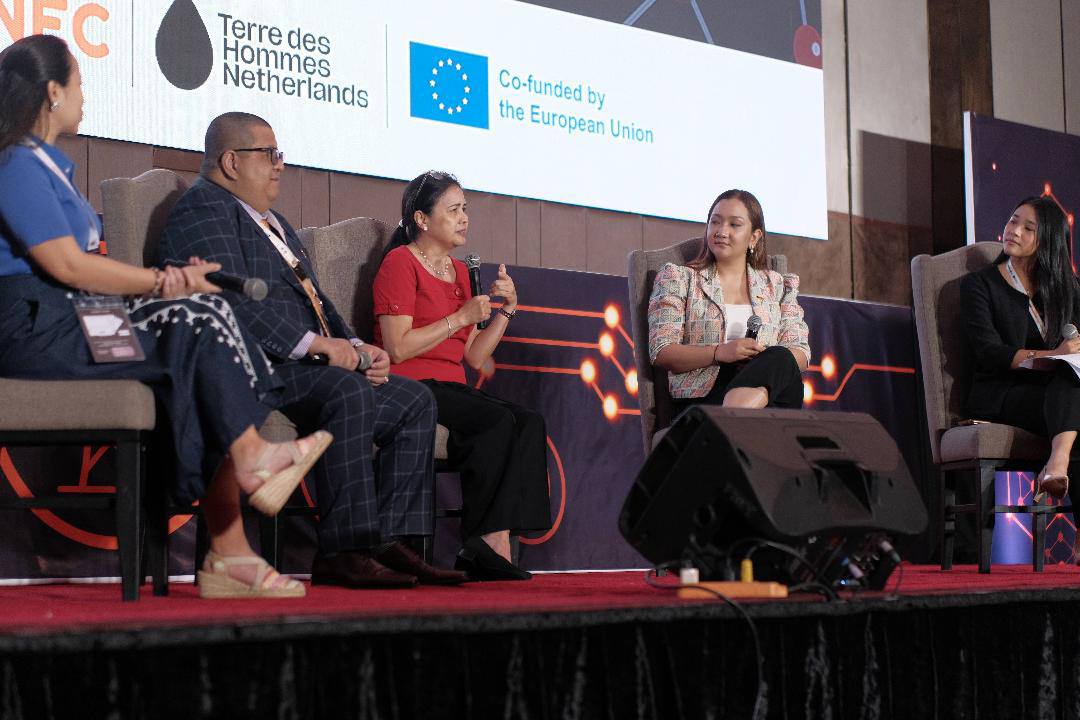
The commitment was reinforced during the recently concluded National Summit on Child Online Protection and Responsible Digital Industry Engagement, organized by Terre des Hommes Netherlands Philippines under its Project CONEC, with support from the European Union and in cooperation with government agencies including the National Coordination Center Against OSAEC-CSAEM and the National Telecommunications Commission.
The summit gathered government bodies, telcos, internet service providers, tech platforms, youth representatives and civil society groups to align actions under Republic Act 11930 or the Anti-OSAEC and Anti-CSAEM Law.
PCTO chairman Enrico delos Reyes noted that while the industry drives digital progress, it also faces challenges from misuse of online platforms to harm children. He stated that the industry is committed to act and support government initiatives.
PLDT and Smart participated in the event through chief sustainability officer Melissa Vergel de Dios, who shared the company’s child protection programs and technical measures. From June 2021 to March 2026, the group has blocked over 2.1 million URLs linked to OSAEC. In the first quarter of 2026 alone, more than 208,000 attempts to access child sexual abuse materials were prevented.
The company also collaborates with authorities on case investigations and supports the MAKABATA Helpline 1383 for reporting child rights violations. They also integrate youth feedback, with cybersecurity and data privacy cited as top concerns by young users based on joint consultations with child rights groups.
Smart senior manager Kenneth Reganon affirmed the company’s role in advancing youth participation in developing child safety solutions. PLDT and Smart continue to work with PCTO to shape national policies and legislation, contributing to landmark laws including RA 11930 and RA 11862 or the Expanded Anti-Trafficking in Persons Act.