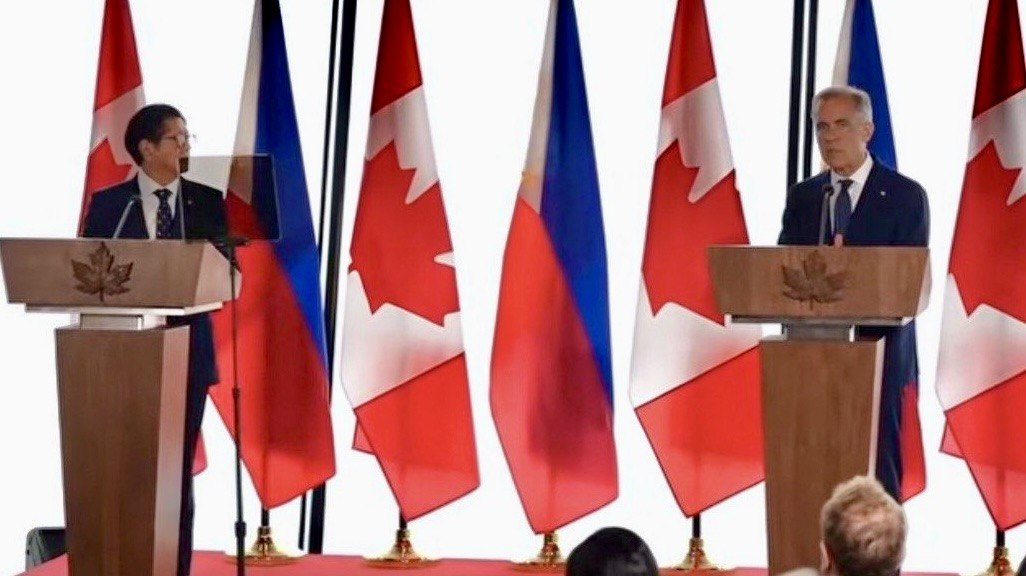
The Philippines and Canada have elevated their bilateral relationship to a Strategic Partnership, signaling a broader push to deepen trade, investment and labor cooperation as both countries target the completion of negotiations for a bilateral free trade agreement (FTA) before the end of the year.
Speaking after meeting Canadian Prime Minister Mark Carney in British Columbia, President Ferdinand Marcos Jr. said the upgraded partnership reflects a shared commitment to strengthen economic resilience and expand collaboration amid an increasingly uncertain global environment.
The two leaders directed their foreign ministers to craft a Plan of Action that will operationalize the Strategic Partnership while reaffirming their goal of concluding negotiations for the Philippines-Canada FTA this year, alongside the broader ASEAN-Canada Free Trade Agreement.
The announcement comes as the Philippines seeks to diversify export markets and attract more foreign investments through expanded trade agreements, while Canada looks to deepen its economic engagement with Southeast Asia.
Beyond trade, Manila and Ottawa witnessed the signing of agreements covering tourism, culture, labor and migration, as well as cooperation in energy and natural resources.
Marcos said the accords would strengthen institutional ties, encourage greater mobility of skilled workers and support the development of a sustainable talent pipeline benefiting both economies.
The President also urged continued efforts to address barriers to the recognition of Philippine-earned professional credentials, saying greater portability of qualifications would allow more Filipino professionals to maximize employment opportunities in Canada.
At the center of the strengthened relationship is the Filipino community in Canada, now numbering more than one million.
Marcos said the diaspora has become a vital economic and cultural bridge between the two countries, helping underpin stronger commercial ties and labor mobility.
The Strategic Partnership marks the most significant upgrade in bilateral relations in years and could provide fresh momentum for trade, investment and broader economic cooperation as both governments pursue closer integration.