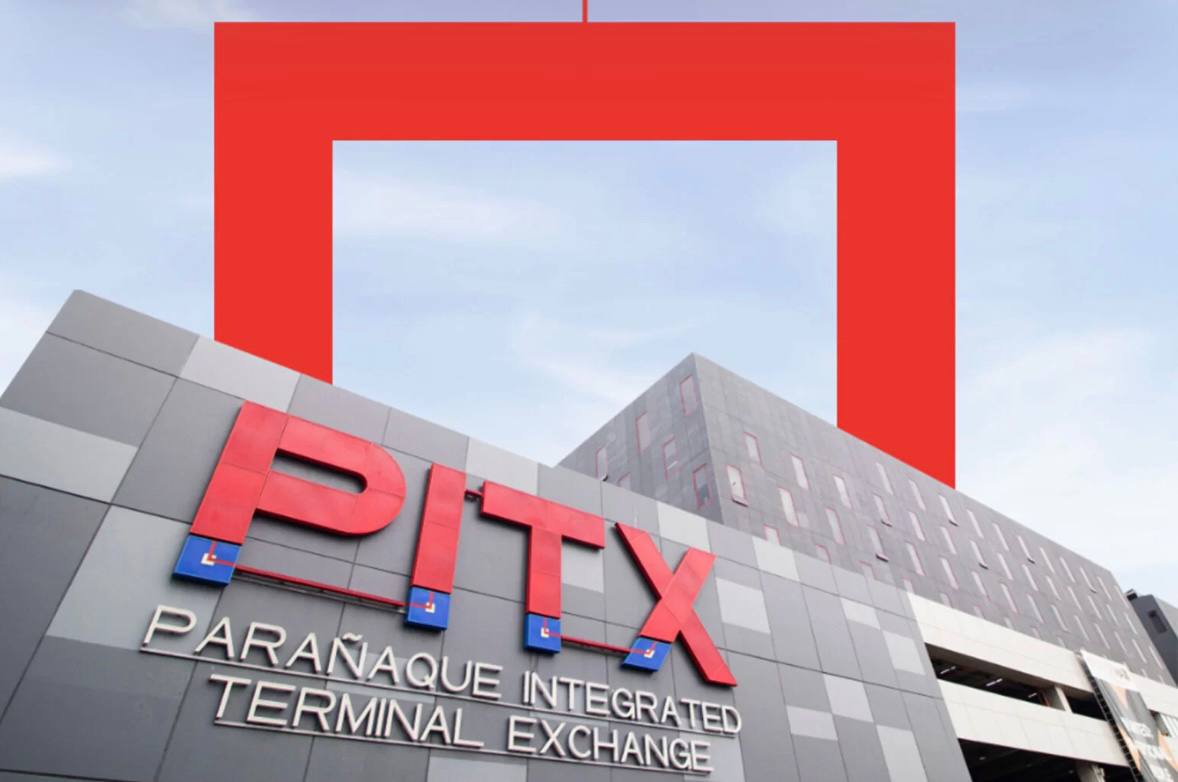
The Parañaque Integrated Terminal Exchange (PITX) recorded 32.45 million passengers in the first six months of 2026, as demand for reliable and efficient public transport continues to rise across the country. Since opening in 2018, total passenger traffic at the hub has reached 271.67 million, showing steady growth in commuter use and its growing importance in connecting Metro Manila to destinations nationwide. On an average day, the terminal now handles 180,000 passengers, running 32 city routes and 80 provincial routes. By the end of June 2026, it had also facilitated 6.52 million vehicle departures, a clear sign that both commuters and transport operators are relying more heavily on the integrated facility.
“These milestones demonstrate the growing confidence of commuters and transport operators in PITX as the country’s premier transport gateway,” said Mohit Malhi, PITX chief operating officer. He added that as passenger numbers keep rising, the team remains focused on providing high-quality service while supporting national goals to improve mobility, link regions better, and push inclusive economic growth.
To widen its coverage, PITX launched three new provincial routes in the first half of the year, connecting Metro Manila to Laoag City in Ilocos Norte, Lagangilang in Abra, and Santa Ana in Cagayan. These new lines are set to boost access to Northern Luzon, help local tourism, make trade easier, and strengthen economic ties between the capital and provincial areas. Beyond travel services, PITX has grown into a full mobility hub that brings together transport options with retail shops, dining outlets, and government offices. Its links to city buses, provincial buses, modern jeepneys, and rail lines make transfers smoother and help build a more efficient and environment-friendly transport system.
The terminal’s strong performance also supports developer Megawide Construction Corp.’s focus on transport-oriented developments or TODs, which combine transport infrastructure with commercial and community spaces. Following the success of PITX, Megawide is working on similar integrated transport projects in Baguio City and Carmona, Cavite, aiming to improve regional access, boost business and tourism, and open up new economic opportunities. “PITX has shown that transport infrastructure can do more than move people efficiently—it can become a catalyst for investment, tourism, and inclusive growth,” Malhi noted. He added that as the company expands its TOD projects, it aims to build facilities that make commuting easier and contribute to the long-term progress of local communities. With over 32 million passengers served in the first half of the year, an expanding route network, and consistent growth in usage, PITX stands as a model for integrated public transport in the Philippines and sets the direction for Megawide’s future transport-related projects.