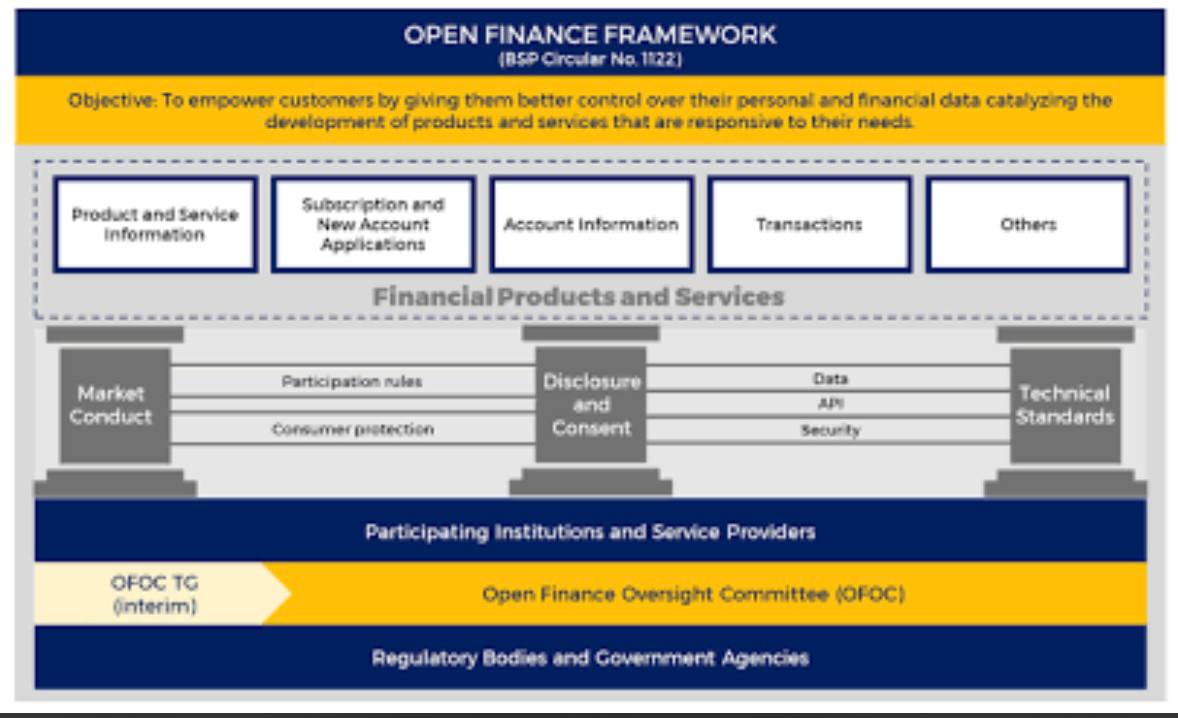
Lawmakers have filed a measure seeking to create the country’s first formal system for consumer-controlled financial data sharing, alongside a new independent commission, to help millions of Filipinos prove their credit standing and gain easier access to financial services. House Bill No. 9149 or the Open Finance and Consumer Data Empowerment Act of 2025 aims to bridge the gap between how Filipinos engage with the digital economy and how traditional lenders currently assess their ability to pay debts.
Under the proposal, consumers will have the legal right to share up to 24 months of alternative transaction records—including utility payments, subscription history, and rewards card activity—with authorized lenders to support credit applications. This setup will particularly benefit those with no existing bank loans, credit cards, or formal deposit accounts, giving providers a more complete view of a person’s capacity to settle obligations.
Tingog Party-list Representative and co-author Jude Acidre noted that current rules have fallen behind rapid digital adoption, pointing out that Filipinos already generate valuable financial data daily through mobile apps, e-wallets, and regular payments. He said the measure intends to turn this available information into a tool that opens up financial opportunities for millions who have long been left out of the formal system. Fintech Alliance Philippines board member Todd Schweitzer echoed the support, saying the legislation will expand financial inclusion while creating fairer competition and new markets for service providers. He added that while digital payments made up 57.4 percent of retail transactions in 2024 and around 58 million Filipinos now use e-wallets, the country still lags behind many regional neighbors in terms of access to basic financial services. Schweitzer emphasized that Filipinos already have solid proof of financial behavior outside traditional banking records, and the bill simply provides the legal backing to use this information safely and properly.
To enforce these policies, the measure proposes setting up the Consumer Data Commission under the Office of the President, with authority covering banks, financial firms, telecommunications providers, utility companies, and all other entities that hold consumer information. The body will be led by a Securities and Exchange Commission commissioner and a deputy governor from the Bangko Sentral ng Pilipinas, with members drawn from the National Privacy Commission, National Telecommunications Commission, Philippine Competition Commission, and four private sector experts in banking, data protection, or financial technology. The commission will set security and technical rules for data sharing, accredit eligible institutions, check compliance, and impose penalties for violations. It will also submit yearly updates to Congress and conduct a full review of the law every two years to ensure it remains relevant and effective.