President Ferdinand R. Marcos Jr. is seeking the passage of the proposed ProGRESS bill within the year, with the measure expected to generate billions of pesos for priority government programs while avoiding broad-based tax increases on most Filipinos.
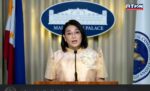
At a Palace briefing, Presidential Communications Office Undersecretary Claire Castro said the proposal remains a key legislative priority after being identified by the President in his recent State of the Nation Address (SONA).
“The President is hoping that Congress will pass the ProGRESS bill,” Castro said, emphasizing the administration’s push to strengthen public finances while encouraging healthier consumption and more sustainable environmental practices.
The Department of Finance has been championing the measure, which President Marcos has certified as urgent to accelerate its passage. The bill, formally known as the Promoting Growth, Revenue, and Equity towards Socio-economic Sustainability (ProGRESS) bill, is a key pillar of the administration’s fiscal reform agenda as economic managers seek to strengthen government revenues without relying on higher income taxes.
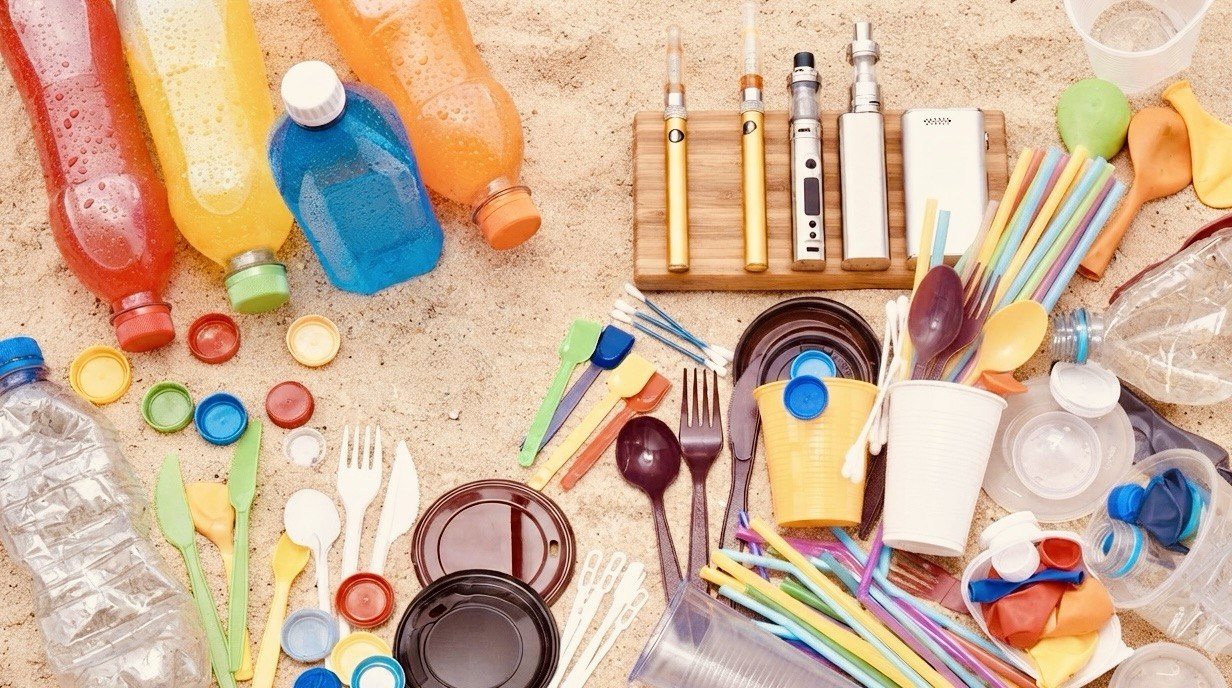
The proposed measure seeks to increase excise taxes on sugar-sweetened beverages, selected single-use plastic products and vape products, using targeted taxation to promote healthier consumption patterns and reduce plastic waste.
According to Department of Finance estimates, the measure could generate P518.71 billion in gross revenues, equivalent to P191 billion in net revenues after accounting for the broader tax reform package. The funds are expected to help finance P326.92 billion worth of priority government spending while supporting the administration’s fiscal consolidation goals.
Beyond raising revenues, the proposal reflects a broader shift toward using tax policy to influence consumer behavior. By imposing higher levies on products linked to health and environmental concerns, the government hopes to reduce long-term social costs while creating a more sustainable source of funding for essential public services.
The administration has maintained that the proposal is designed to place the tax burden on selected products rather than impose sweeping tax increases on households, allowing the government to finance priority programs while advancing public health, environmental protection and long-term fiscal sustainability.