Listed fuel distributor and retailer Top Line Business Development Corp. raced past its entire 2025 earnings in just six months as an aggressive expansion of its retail fuel business added fresh horsepower to its core commercial fuel operations.
The Cebu-based company posted a 62 percent jump in first-half net income to P123.2 million, already exceeding its full-year 2025 profit of P120.3 million. Revenues nearly doubled to P3.84 billion as fuel sales volumes surged across the Visayas.
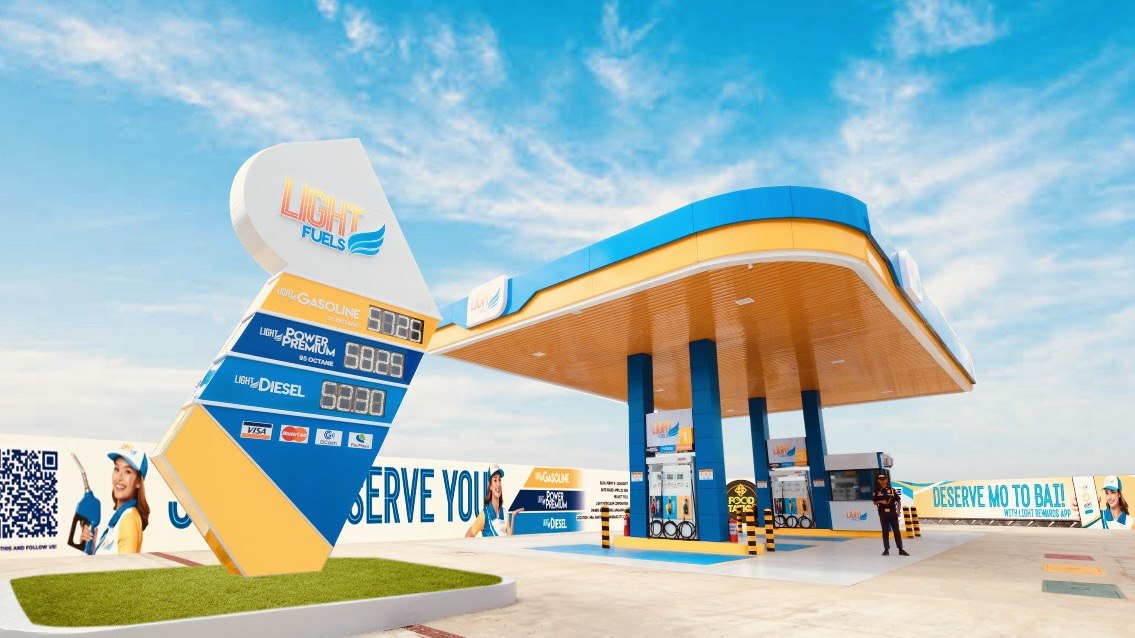
The results highlight how Top Line is quickly transforming from a wholesale fuel supplier into a broader downstream energy player, with its Light Fuels retail stations emerging as a fast-growing second engine of growth.
“This is the first time that TOP has surpassed the previous year’s full-year net income within the first half alone, reflecting our ability to deliver profitable growth at scale,” said chairman, president and chief executive officer Eugene Erik Lim.
Commercial fuel trading remained the company’s backbone, contributing P3.47 billion, or 90 percent of revenues, while volumes rose 32 percent to 56.7 million liters.
But the standout performer was retail.
Revenue from the Light Fuels network surged nearly fivefold to P369.2 million, expanding its share of total revenues to almost 10 percent from just 3 percent a year earlier. Retail fuel volumes nearly quadrupled to 5.3 million liters as the company accelerated station openings across the Visayas.
“The growth of our retail fuel segment shows that our strategy is beginning to deliver a more balanced revenue mix,” said chief operating officer Brigitte Carmel Lim.
Overall fuel sales climbed 40 percent to 62 million liters, reflecting steady demand from businesses, transport operators and motorists despite volatile pump prices.
Operating earnings also strengthened, with EBITDA rising 57 percent to P320.4 million, while gross profit more than doubled to P366.9 million.
Fresh from its P1.5-billion follow-on offering in June, Top Line said it is stepping up investments to expand its fuel network and strengthen supply chains in the Visayas, where growing demand from logistics, tourism, construction and trade is driving energy consumption.