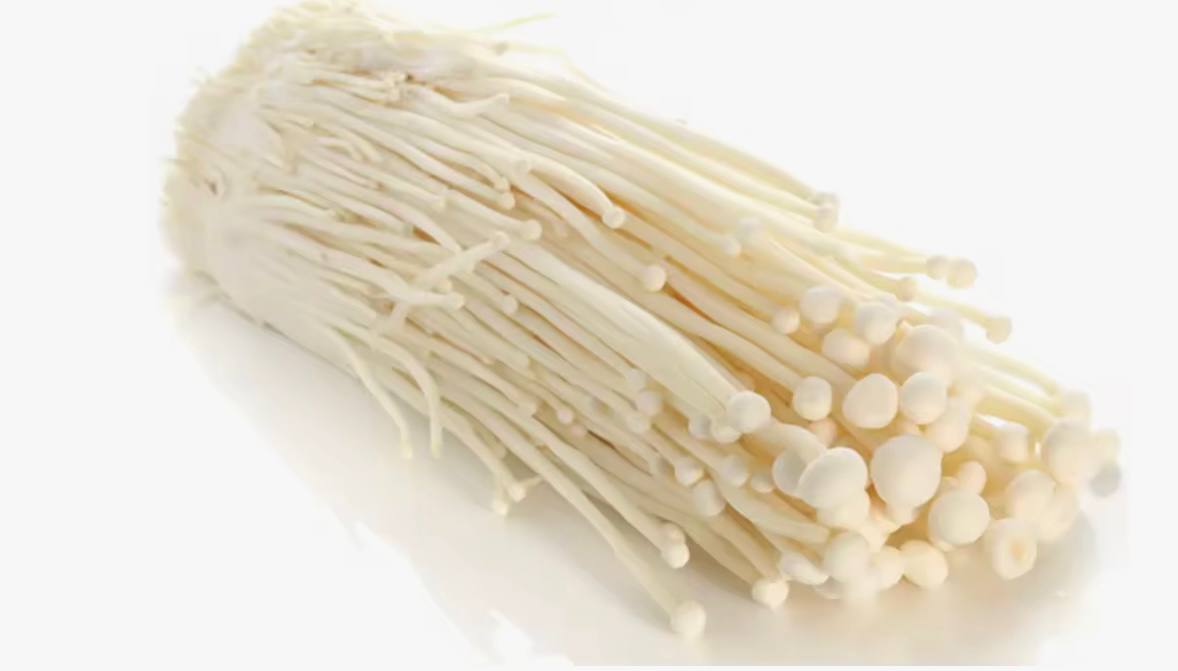
The Department of Agriculture (DA) is advancing import substitution efforts by supporting Basic Necessity Inc., a Filipino-owned firm building a state-of-the-art enoki mushroom facility in Silang, Cavite. This fully private-sector-funded venture aligns with President Ferdinand Marcos Jr.’s goals: localize key industries, grow agro-industry, create jobs, and ensure steady access to affordable, nutritious food.
Fresh enoki mushrooms—low-calorie and nutrient-rich—are now locally available, helping families maintain healthy diets and fight malnutrition. The project builds domestic capacity for high-value crops, raising farmer incomes, drawing food innovation investments, and laying groundwork for export earnings.
Agriculture Secretary Francisco Tiu Laurel Jr. called for greater private sector involvement to speed agro-industrial growth. Data shows the Philippines imported 6,536 metric tons of fresh mushrooms last year, with nearly 95 percent of the commercial market relying on imports—highlighting strong room for local production amid rising demand from Asian cuisine’s popularity.
Undersecretary for high-value crops Cheryl Marie Caballero noted the project delivers benefits beyond import cuts. It uses about five tons of farm waste like corn cobs and rice hulls weekly as growing material, giving farmers extra income. “This builds an industry that creates jobs, supports biomass suppliers, and turns low-value waste into useful resources,” she said.
Secretary Tiu Laurel said the large domestic market alone supports expansion. “We import over 6,000 tons yearly. Once local demand is met, we can export to Singapore, the Middle East, and more. We have the land, skill, and expertise to lead in enoki production,” he stated.
The Silang facility will handle climate-controlled farming, processing, packaging, cold storage, and delivery to stores, restaurants, and online platforms. Locally grown enoki is fresher, safer, and fully traceable, keeping more earnings within the country. Advanced technology uses agricultural byproducts like sawdust, rice bran, and sugarcane waste to grow crops.
The facility will employ around 50 people directly and create extra livelihoods for biomass suppliers. Prices have dropped sharply: from about ₱80 per 200-gram pack to just ₱29.75 at some 1,700 DALI stores nationwide. This project shows how private investment can turn import-dependent food categories into homegrown industries—boosting food security, creating rural jobs, upcycling farm waste, and building future export opportunities.