Philippine Airlines (PAL) reported a 5.9 percent rise in first-half 2026 earnings, though a steep jump in fuel expenses pushed the country’s flag carrier to a net loss for the period.
The Lucio Tan-led group posted total revenue of $1.74 billion from January to June, up from $1.64 billion a year earlier, supported by better passenger yields and stronger cargo income. Passenger revenue rose 4.5 percent to $1.47 billion, lifted by higher yields and fare adjustments. Cargo revenue climbed 30 percent to $98.2 million on improved freight volumes and rate changes. Ancillary income also grew as more passengers availed of travel-related products and services.
Revenue gains came even as total passengers carried fell 3.1 percent to 8.2 million and load factor slipped to 78.9 percent from 81.6 percent in the same period last year. PAL said it made targeted changes to fares and capacity — mostly on selected domestic, Middle East and regional routes — in response to pricier fuel. Its long-haul international network stayed largely unchanged, reflecting steady overseas travel demand. Domestic travel has proven more sensitive to fare increases, though domestic operations remain profitable.
Despite higher sales, PAL recorded a net loss of $25.1 million in the first six months, a reversal from the $136.7 million net profit posted a year ago. The airline blamed the shift mainly on a $219.5 million year-on-year jump in fuel costs, driven up by the conflict in the Middle East. Fuel expenses rose 48.2 percent to $674.5 million, making up 39.2 percent of total operating costs — up from 30.3 percent in the first half of 2025.
The cost pressure grew sharper in the second quarter. PAL posted a net loss of $103.6 million for the three months ending June, compared with a $60.2 million profit a year earlier. Quarterly fuel costs surged 88.2 percent to $422.9 million. This sharp quarterly rise underscores how the Middle East conflict has reshaped the airline’s cost structure, even as travel demand and pricing stayed firm.
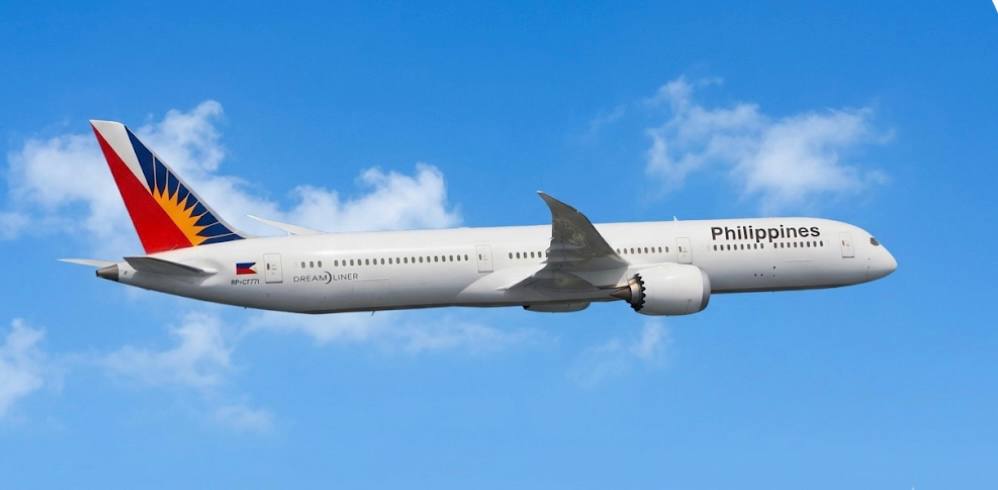
Amid tough operating conditions, PAL kept investing in long-term growth. It put its second Airbus A350-1000 into service in May, using the new flagship plane on key routes to New York, Toronto and San Francisco. The airline also raised its financial flexibility through a $350 million five-year bond issue. It has already placed orders for up to 20 Boeing 787-10 and 14 Airbus A350-1000 aircraft, with deliveries set between 2031 and 2036.
PAL president Richard Nuttall said the first-half results show the airline’s resilience despite the fuel price shock. “The Middle East conflict has created clear near-term pressure on fuel costs, and our second-quarter results reflect that,” he noted. “Even so, our first-half performance proves PAL’s underlying strength.” He added the airline moved quickly to adjust fares and routes while keeping cash flow stable and pushing ahead with fleet and partnership plans.
For the rest of 2026, Nuttall said the Middle East conflict remains the main uncertainty, especially its possible effects on fuel prices, inflation and travel demand. Still, he noted international travel demand stays strong and cost controls remain effective — giving PAL room to manage current challenges while staying on course for long-term growth.