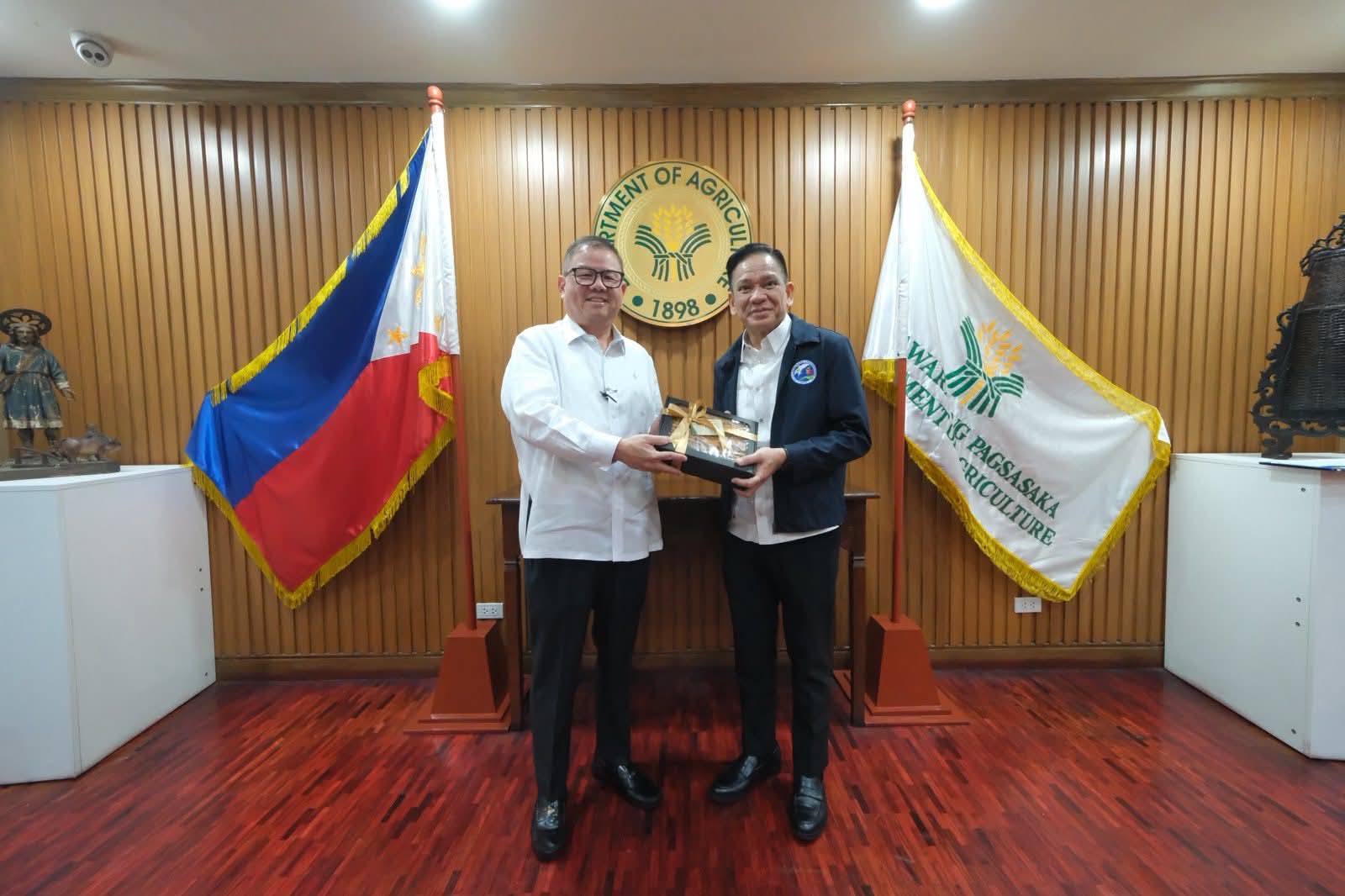
The Department of Agriculture (DA) and the Office of the Presidential Adviser on Peace, Reconciliation and Unity (OPAPRU) are jointly rolling out a farm-centered livelihood initiative designed to turn former communist rebels and Moro separatist fighters into productive farmers, with high-value crops pili and ube leading the proposed enterprise options.
The program follows discussions between Agriculture Secretary Francisco P. Tiu Laurel Jr. and OPAPRU Secretary Mel Sarmiento, marking a shift from short-term skills training to long-term, plantation-style agriculture linked directly to private sector buyers. It is set to cover former members of the Communist Party of the Philippines-New People’s Army (CPP-NPA), the Moro Islamic Liberation Front (MILF), and the Moro National Liberation Front (MNLF), with the Armed Forces of the Philippines supporting community-level consultations. Authorities are currently coordinating with some 53,000 former combatants for the rollout.
Sarmiento noted that many former fighters, particularly those aged 46 to 60, are better suited to farming enterprises than further technical courses. The emerging model places farm commanders or supervisors in charge of production, while private firms will provide technical backing and commit to purchasing harvests. “This is about giving our former combatants a livelihood that can grow with them and with their communities. If we can connect them to land, markets, and private-sector partners, we can turn the peace process into something they can see and feel in their daily lives,” Sarmiento said.
Pili has been identified as a high-potential crop, especially in Samar and the Bicol Region, where it fetches around P600 per kilogram and draws growing interest from Korean buyers. Its protein-rich byproducts can also be processed into animal feed, while the tree’s ability to grow on slopes of up to 18 percent makes it suitable for marginal lands. Sarmiento emphasized the need to teach proper orchard management—including the standard ratio of one male tree for every nine female trees—to build a viable regional industry. Ube is also under consideration amid its rising market demand. The DA is further exploring community nurseries, fisheries training, livestock support, farm equipment access, and food hubs to broaden the program’s reach.
For Tiu Laurel, agriculture forms a durable economic foundation for lasting peace, creating jobs and lifting rural incomes while giving returnees a clear stake in local development. “Peace becomes stronger when people have something productive to build and a livelihood they can depend on. If agriculture can give former combatants and their families income, markets, and a future in their communities, then it can also encourage others to return to the fold,” Tiu Laurel stated. He has directed OPAPRU to finalize a prioritized agricultural “wish list” and assigned Undersecretary Jerome Oliveros to oversee inter-agency coordination.
The policy initiative aims to embed peace-building in tangible rural development: transforming former combatants into active producers, linking reintegration support to market-driven farming, and fostering shared economic interests that sustain community peace over the long term.