The Philippine Competition Commission (PCC) has imposed a record P1.76-billion fine on six onion trading businesses and their responsible officers for alleged anti-competitive conduct, with possible criminal prosecution to follow subject to evaluation by the Department of Justice (DOJ).
Five companies—Golden Shine International Freight Forwarders Corp., La Reina Fresh Vegetables & Young Indoor Plants Inc., Yom Trading Corp., Vegefru Producing Store and Rosal Fruit and Vegetable Trading—were each fined P330 million. Cold storage operator Tian Long Corp. received a P118.32-million penalty.
The PCC also held responsible officers Lilia Cruz, Eric Pabilona, Renato Francisco Jr. and Letty Baculando liable, along with sole proprietors Mark Castro Ocampo and Nancy Callanta Rosal.
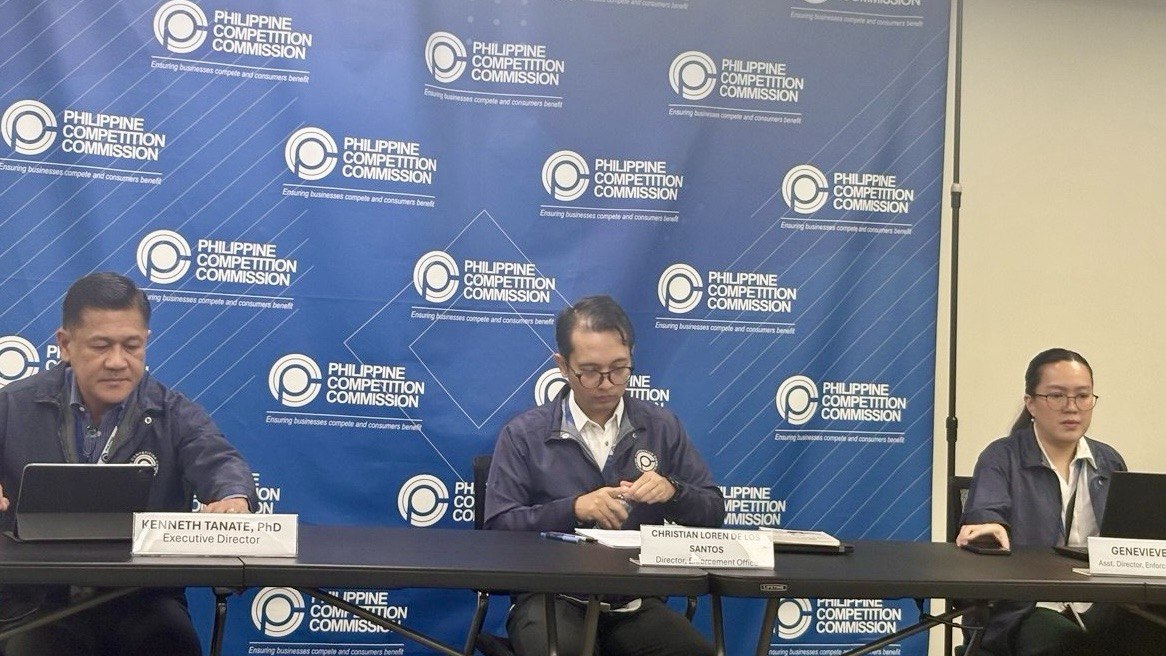
PCC Executive Director Kenneth Tanate said the commission would coordinate with the DOJ on possible criminal charges, subject to due process and the respondents’ right to seek reconsideration.
Under the Philippine Competition Act, individuals involved in illegal market allocation agreements may face imprisonment and additional fines if convicted.
The respondents have until October 16 to pay the penalties or seek reconsideration. Failure to comply could result in additional penalties ranging from P60,000 to P2.5 million, as well as daily charges of P55,000, according to the PCC.
The commission found that the businesses controlled nearly 50% percent of approved onion import clearances in 2020 and 2021 through coordinated permit applications, shipments, storage and distribution.
PCC Enforcement Office Director Christian delos Santos said the relevant turnover reached P4.171 billion, representing estimated sales associated with the case.
The investigation followed a surge in onion prices that reached as high as P800 per kilogram in late 2022, underscoring concerns over competition and supply in a key agricultural commodity.
The record penalties reflect the mandatory tripling of applicable fines for anti-competitive violations involving prime commodities. The case puts renewed focus on enforcement against practices that can restrict competition in food supply chains, while any criminal liability will depend on the applicable legal process.