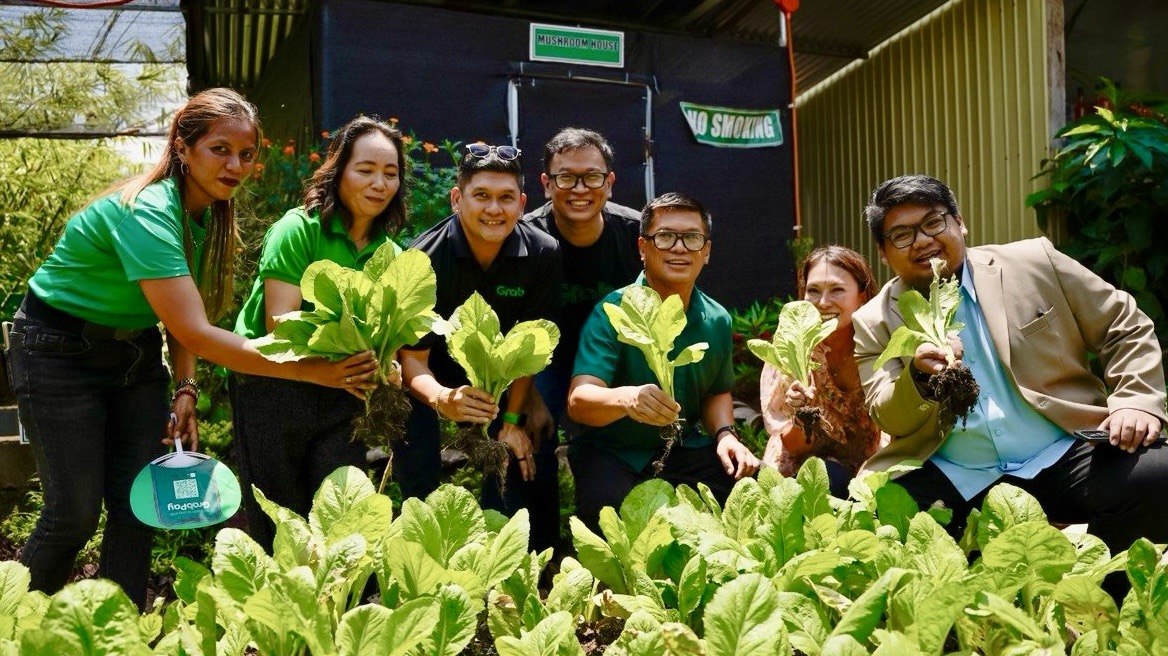
Grab Philippines is bringing women farmer-entrepreneurs in Davao City into the digital economy through a new farm-to-market partnership designed to widen their access to consumers and create additional income opportunities.
The initiative, launched with the Rural Improvement Club Davao City Federation Inc. and the Davao City Government, will allow produce from participating RIC farmers to be sold through a physical store at Agdao Public Market and a dedicated RIC Daily Fresh storefront on GrabMart.
The dual-channel model gives small agricultural enterprises another route to market at a time when limited visibility, fragmented selling channels, and weak direct links to consumers can constrain growth.
By connecting farmers to an established digital marketplace, the partnership seeks to shorten the distance between producers and households while potentially increasing sales and income for participating communities.
The initiative also goes beyond simply putting farm products online. RIC’s women agri-preneurs will receive training under Grab Asenso: Digital Diskarte, Grab’s technology and artificial intelligence enablement program for micro, small, and medium enterprises.
The training will cover digital marketing, product presentation, order management, customer engagement, and online marketplace operations, with the International Trade Centre serving as co-facilitator.
Grab Philippines Vice President for Cities RJ Cabaluna said technology can help make market opportunities more accessible to community enterprises.
“By opening existing digital roads to farming communities, we are reducing the cost, complexity, and distance that often stand between local producers and economic opportunity,” Cabaluna said.
The Davao City Government, through the City Agriculturist’s Office and City Council, will provide technical and institutional support.
The partnership highlights how digital marketplaces can serve as more than sales channels for small farmers. By combining market access with digital skills and government support, the initiative could provide a template for helping local agricultural enterprises compete in an increasingly digital economy.