The Regional Comprehensive Economic Partnership or RCEP unlocks a huge regional market for Filipino products, but local makers and sellers must meet higher standards to succeed, business leaders said September 29 at the RCEP Business and Investment Summit.
SM Investments economist Robert Dan Roces noted Philippine stores are full of goods from Korea, Japan, Thailand and other RCEP nations — yet Filipino products remain scarce there.
“The real test is what lines the shelves. We need our products present across all RCEP markets,” Roces said.
RCEP unites ASEAN plus Australia, China, Japan, South Korea and New Zealand — nearly one-third of the world’s people and output. It cuts trade barriers and sets shared rules to simplify commerce. In force here since 2023, it should boost exports as much as imports.
“RCEP opens the door — but goods still earn their spot,” said SM President and CEO Frederic C. DyBuncio. “Suppliers must match quality, volume and consistency. We can help them get there.”
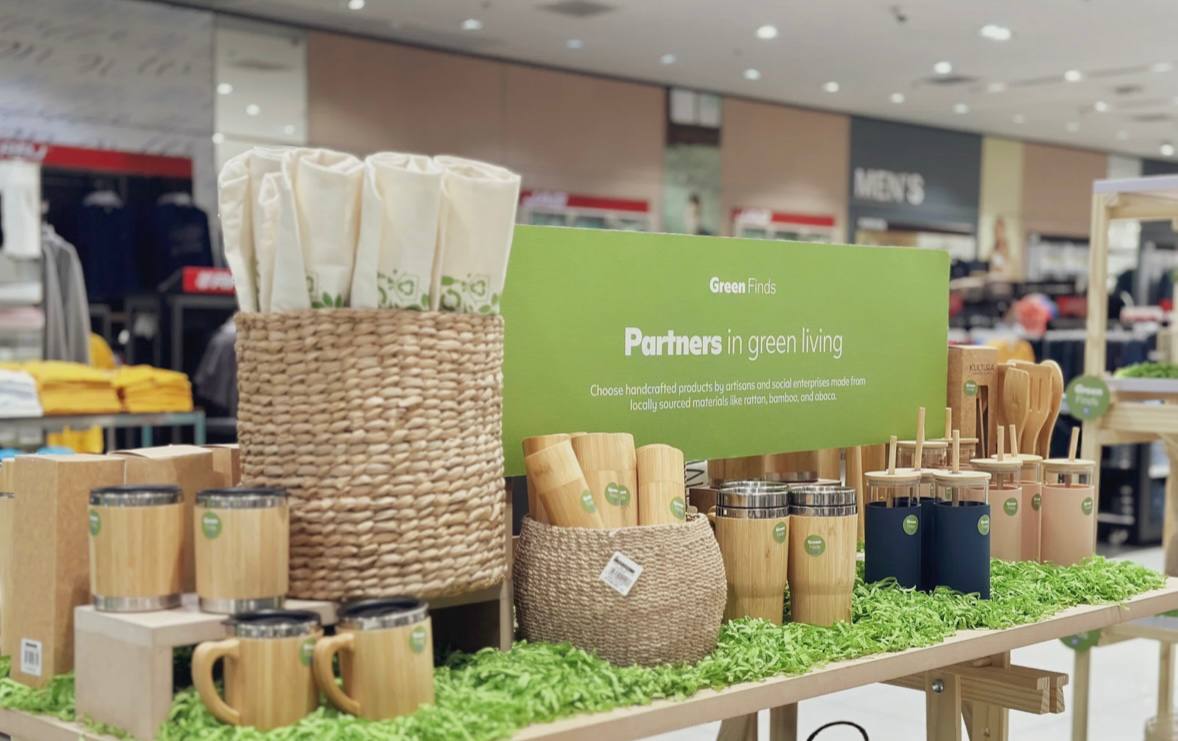
SM’s retail network works with local suppliers of all sizes, building their capacity to serve big markets at home and abroad.
Tariff cuts alone won’t sell Filipino goods overseas. Producers must deliver reliably and at scale — so Filipino brands become as familiar across Asia as regional products are here.
“Success isn’t just what comes in — it’s what we send out,” Roces said.