The Department of Energy is moving to create a weekly National Fuel Risk Index, a key tool to track fuel supply, prices and demand and give the government early warning of potential shortages and global market shocks before these hit local consumers and businesses hard. Unveiled by Energy Secretary Sharon Garin at the Philippine Energy Investment Forum in Pasay City, the index forms a core part of the 2026 National Oil and Gas Contingency Plan, designed to put fuel emergency responses on a clear, data-backed footingit.
Garin explained the index will use set risk levels to guide timely, targeted government action as market or supply conditions shift, covering disruptions ranging from shipping route bottlenecks and tanker shortages to unexpected refinery shutdowns. This structured approach replaces less coordinated earlier measures, strengthening the country’s ability to act decisively before supply gaps or price spikes escalate. The department is also pushing for a Philippine Strategic Petroleum Reserve, with a phased rollout aiming first for 60 days of fuel supply and eventually 90 days, a move that would open up new investment opportunities in storage facilities, logistics and related infrastructure. At present, the country maintains minimum inventory levels of 15 days for finished fuel products, 30 days for crude oil and just 7 days for liquefied petroleum gas.
For companies operating across fuel, transport, agriculture and power sectors, the index delivers greater transparency and predictability, helping businesses plan procurement, manage costs and adjust operations with clearer visibility of emerging risks. For ordinary consumers, it means faster, more coordinated government intervention when global shocks threaten local supplies or pump prices, and a more reliable framework to avoid sudden supply crunches or extreme price swings. Recent market movements underscore the urgency of these steps: in the latest monitoring period covering September 29 to October 5, NCR prices average P87.20 per liter for RON 91 gasoline, P95.70 for diesel and P125 for kerosene—sharp rises from levels recorded before the Middle East conflict’s effects took hold, when prices stood at P53, P60.79 and P84.67 respectively. Earlier this week, the DOE approved a P1.93 per liter hike in gasoline prices and a P3.30 rise for kerosene, while diesel prices fell by P1.30 per liter.
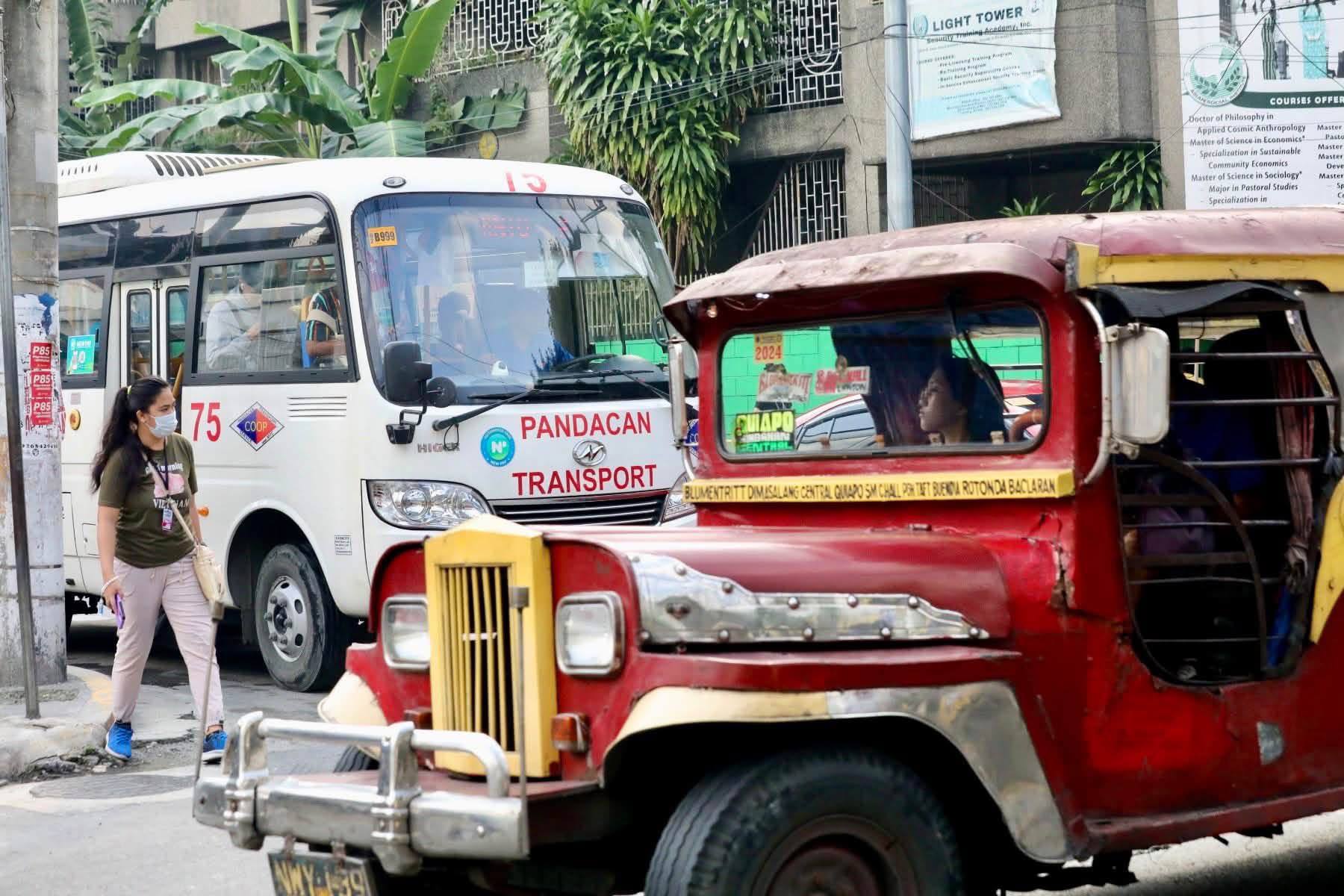
The new monitoring system sits alongside the government’s longer-term Fuel Transition Plan, which targets cutting oil dependence by 30% by 2030, 50% by 2040 and over half by 2050, using 2022 as the baseline. This shift will reduce reliance on diesel across industries, farms and island communities, expand electric vehicle use and increase biofuel blends, easing the country’s exposure to volatile global markets. Currently, the Philippines imports around 90 percent of its crude oil mostly from the Middle East, with oil accounting for 47.7 percent of total energy use and the transport sector making up some 70 percent of domestic oil demand.