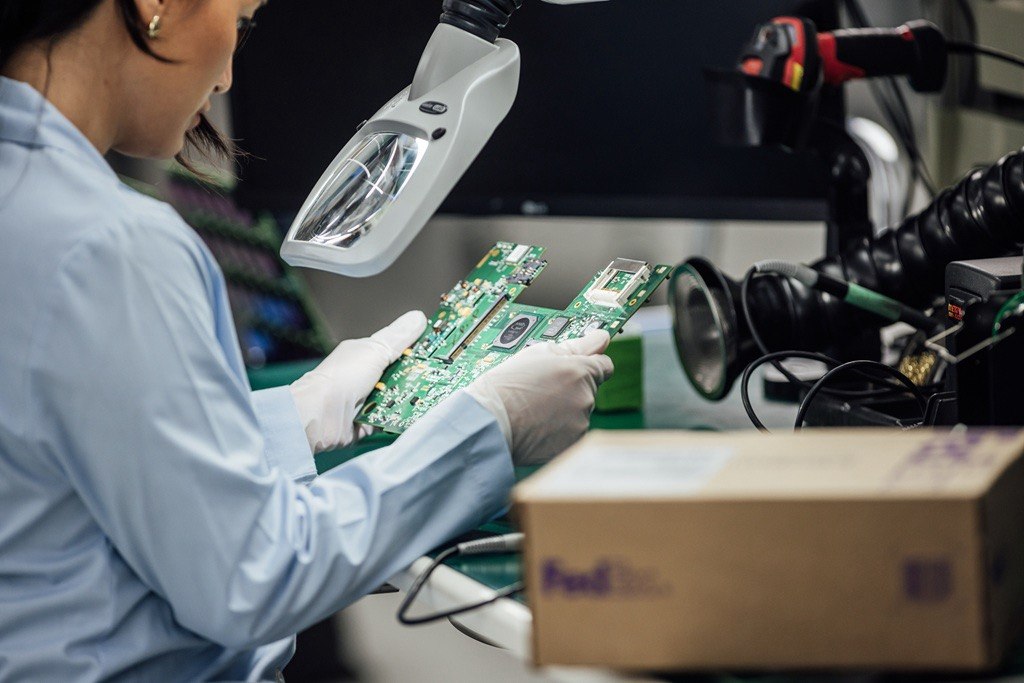
The Philippines is positioned to attract fresh semiconductor investments as surging demand for artificial intelligence (AI), electric vehicles and advanced computing drives manufacturers to expand production and diversify supply chains across Asia Pacific.
A new FedEx report developed with Frost & Sullivan identifies the country as a key semiconductor assembly, packaging and testing hub, with opportunities to move into higher-value manufacturing as global chip demand accelerates.
The report, From AI to EVs: How APAC Semiconductors Drive the Global Innovation Map, said Asia Pacific accounts for about 58% of global semiconductor industry revenue. More than 2,000 new data centers are expected worldwide between 2026 and 2035, adding to demand for chips and supporting infrastructure.
Supply chain diversification could further boost the Philippines’ prospects. A FedEx survey of 478 semiconductor industry participants found that 35% expect to expand manufacturing into additional Asia Pacific markets within three years, while 25% plan to diversify sourcing.
“The Philippines has decades of experience and a strong talent base in semiconductor manufacturing. The opportunity now is to build on these strengths as the industry enters a new phase driven by AI, advanced computing and increasingly distributed supply chains,” said Garrick Thompson, managing director of FedEx Philippines.
But rising demand alone will not guarantee new investments. The country must demonstrate reliable logistics connectivity and the ability to move high-value, time-sensitive shipments efficiently as chip supply chains become more geographically dispersed.
Logistics is already a major consideration for manufacturers. The survey found that 44% of respondents prioritize faster international shipping when selecting logistics partners, underscoring the importance of dependable delivery for semiconductor production and distribution.
FedEx said its Clark gateway connects Philippine manufacturers to regional and global markets, supporting shipments as companies reassess their supply chain footprints.
The outlook presents an opportunity for the Philippines to build on its established semiconductor base. However, attracting a larger share of new investment will depend on whether the country can translate its manufacturing experience into stronger capabilities, reliable infrastructure and a more competitive operating environment.