The Department of Agriculture (DA) is launching a full investigation into reports that allegedly smuggled vegetables are making their way into local markets, raising concerns about fair trade, farmer livelihoods, and food safety.
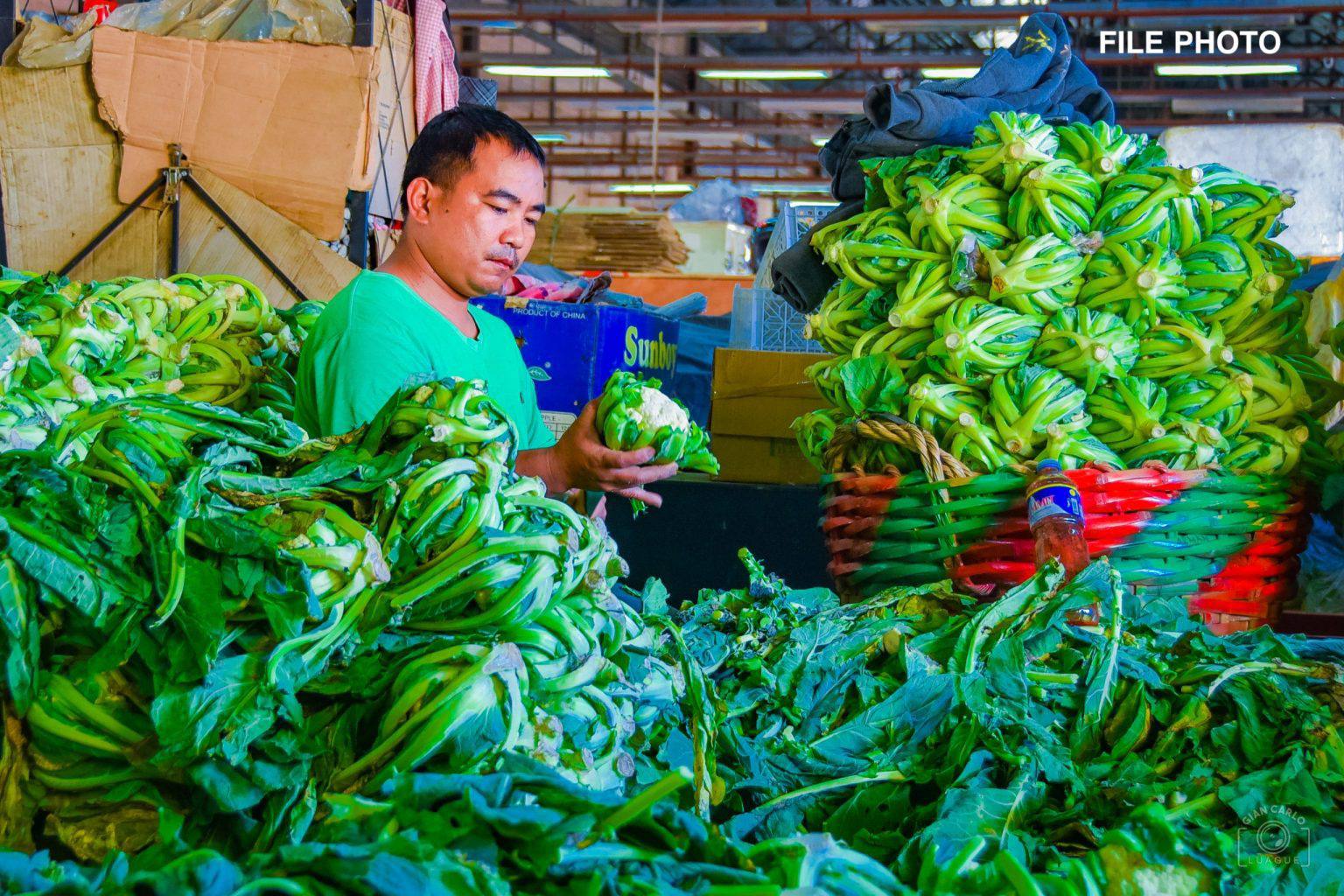
DA Secretary Francisco Tiu Laurel Jr. has directed the agency’s Inspectorate and Enforcement office and the Bureau of Plant Industry (BPI) to look into the matter, focusing on highland produce such as carrots and broccoli. The move comes after monitoring in Baguio City and La Trinidad, Benguet, found imported broccoli being sold alongside locally grown vegetables — some boxes marked as products of China.
According to an October 15 report from DA’s Cordillera office, three stalls at the Baguio Hangar Market displayed imported broccoli. Vendors and distributors reportedly told authorities that roughly 50 boxes — priced at about ₱1,250 each — arrive every other day from a supplier in Divisoria, Manila, carried back on vegetable delivery trucks returning to the Cordilleras. Monitored retail prices ranged from ₱170 to ₱250 per kilogram.
Impact on local farmers
The presence of these goods has made it harder for local growers to sell their harvests, with buyers often choosing the cheaper imported options. Benguet farmers, who supply much of the country’s highland vegetables, are feeling the pressure most heavily.
“This is hurting our farmers, especially those in the Cordillera,” Secretary Tiu Laurel said Sunday. “We will get to the bottom of this. If the Anti-Agricultural Economic Sabotage Law has been violated, those responsible will face punishment.”
BPI personnel have already collected broccoli samples for lab testing to check for heavy metals and formalin. Authorities still need to confirm whether the vegetables entered the country legally or were smuggled in.
The Cordillera regional office has recommended expanding inspections to major trading hubs in Metro Manila, Calabarzon, and Central Luzon to verify import papers, quarantine clearances, and food safety compliance. Closer coordination with local government units, the Department of the Interior and Local Government, and the Department of Trade and Industry is also being pursued to improve market monitoring and enforce proper labeling and pricing rules.
Officials stress that only legally imported vegetables that meet Philippine safety and plant quarantine standards should be sold in markets. The investigation aims to ensure you are buying produce that is safe, properly documented, and that local farmers are not being undercut by illegal or unfair trade practices.
The DA added it will continue supporting local farmers through market-linkage programs and encouraging consumers to choose homegrown vegetables whenever possible.